Scotland Explores Climate Adaptation and New Crop Potential in Farming
Experts in Scotland are investigating new crops and methods to adapt to climate change and diversify farming practices.
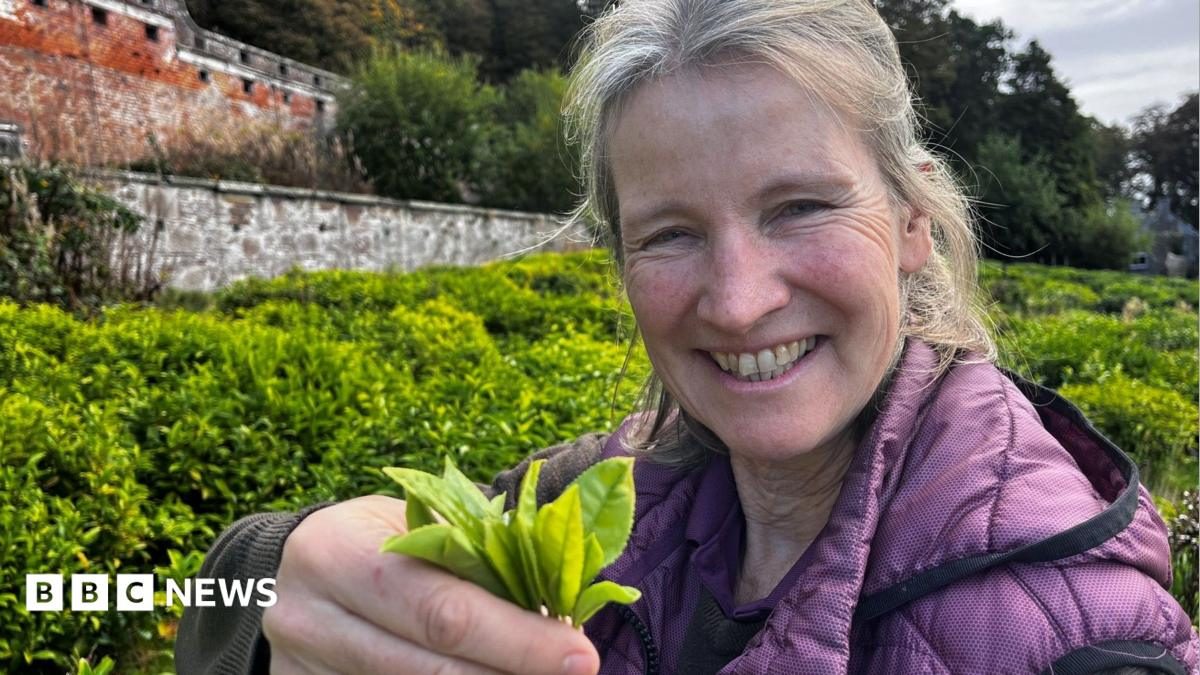
Experts in Scotland are examining how farmers can adapt to the impacts of climate change and diversify their crop range. The country's climate, which is relatively stable, could offer suitable conditions for non-traditional crops like tea. Additionally, advanced greenhouse systems, similar to those in the Netherlands, and technology are expected to play a significant role in future Scottish agriculture.
Highlights
- Some farmers in Scotland have been growing tea since 2007, noting that the acidic soil provides ideal conditions.
- Experts suggest that Scotland's relatively stable climate could support a local tea industry.
- Scientists at the James Hutton Institute are using advanced plant growth centers to test plant resilience under future climate conditions.
- Pete Ritchie from Nourish Scotland indicates that abundant wind energy could make heating greenhouses cheap, enabling the cultivation of Mediterranean vegetables.
- Professor Wayne Powell, principal of Scotland's Rural College (SRUC), predicts Scotland could become "the bread basket of Europe" due to climate change.
Details
Susie Walker-Munro, who grows tea on her family farm in Angus, acknowledges that Scotland's latitude makes year-round cultivation challenging but believes conditions could improve with climate change. Her most expensive tea product costs around £40 per packet, indicating it's not yet a mass-market item but serves as an example of agricultural diversification in Scotland.
The James Hutton Institute in Dundee is simulating climate conditions 75 years into the future to test how plants cope with stress. Scientists are focusing on breeding crops that are generally resilient rather than specific to hot or dry climates. For the past three months, they have been experimenting with fava beans, monitoring their progress daily.
David Murdoch, chair of the Scottish Association of Young Farmers, believes that precision farming, artificial intelligence, and automation will be crucial in future agriculture. However, he emphasizes that traditional skills will remain important. He also notes that farming will extend beyond food production to include nature protection, carbon offsetting, and renewable energy generation.
Why it matters
While climate change poses threats to agriculture worldwide, it may create new opportunities for countries like Scotland. The work of experts on alternative crops like tea and modern methods such as greenhouse farming demonstrates the country's potential to enhance food security and prepare its agricultural sector for the future. These innovations could help Scotland become a significant climate-resilient food region in Europe.