Spain Faces General Strike Amid Worsening Housing Crisis
A deepening housing crisis and soaring rents have led to a general strike across Spain, the first in 14 years.
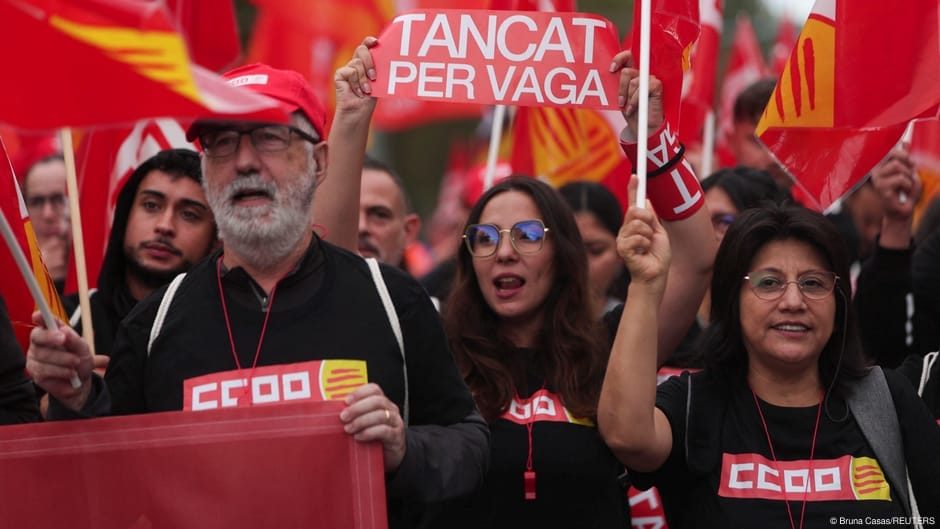
Workers from various industries across Spain have initiated a general strike in response to escalating rents and a severe housing shortage. This widespread action marks the first general strike in the country in 14 years and has become the central political debate ahead of Spain's early elections on November 29.
Despite stormy weather conditions in many regions, workers gathered en masse on Wednesday, participating in marches and establishing picket lines. The crisis, which has left many struggling to afford basic living, is a major concern for the Spanish populace.
Highlights
- A general strike has been called across Spain due to the escalating cost of living and a severe housing crisis.
- This is the first general strike in Spain in 14 years, indicating the gravity of the situation.
- Attempts by the government to address the housing crisis through legislation were blocked by opposition parties.
- The strike precedes early elections scheduled for November 29, making housing a key electoral issue.
- A spokesperson for the Madrid Tenants' Union emphasized that homes should be for living, not for profit.
Details
The housing crisis in Spain gained symbolic prominence earlier this year with the eviction and subsequent death of 87-year-old Maricarmen Abascal in Madrid. The left-wing government of Prime Minister Pedro Sanchez tried to pass laws to alleviate the plight of renters but was thwarted by opposition parties in parliament. Lacking the necessary legislative power, Sanchez called for early elections, hoping to secure a stronger mandate.
Alicia del Rio, spokesperson for the Madrid Tenants' Union, stated, "We won't stop until we transform this country's housing model from top to bottom so that houses are for living instead of being at the service of the [landlord] minority." Estimates from the central bank suggest Spain has a deficit of approximately 750,000 homes, projected to exceed one million by 2028.
As fewer individuals and families can afford to purchase homes, the number of renters has sharply increased. According to Spain's youth council, the average rent is €1,176 (approximately $1,315), which accounts for 99% of the average young person's salary. While most protests remained peaceful, strikers outside Madrid's Mercamadrid wholesale market reported that police used pepper spray, leading at least 13 people to seek medical attention.
Why it matters
This general strike highlights the profound social and economic challenges currently facing Spain. The housing crisis significantly impacts the quality of life, particularly for younger generations, and has become a dominant issue in the political landscape. The outcomes of the strike and the upcoming early elections will be crucial in shaping the country's future housing and social policies.