Israel Elections End in Deadlock, Nordic Leaders Hold Rare Putin Call
Israel's recent elections resulted in a deadlock, with neither Benjamin Netanyahu nor Gadi Eisenkot securing a majority, while leaders from Finland and Norway held rare calls with Russian President Vl
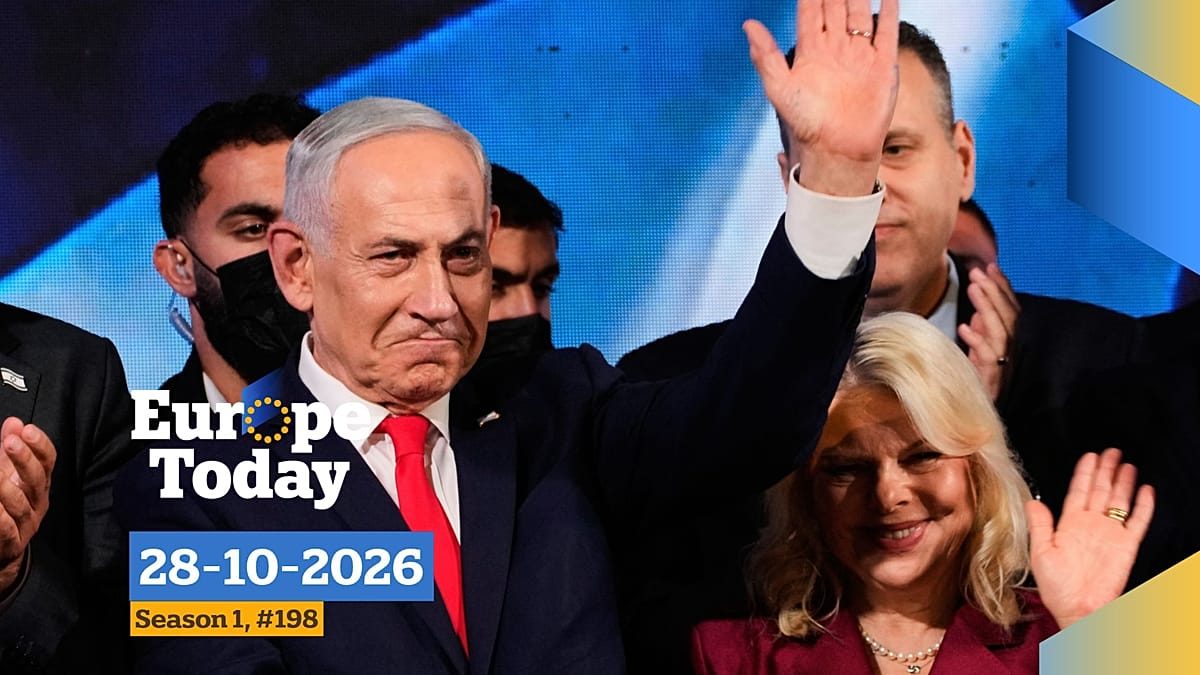
Israel's latest general election has concluded in an apparent deadlock, leaving the country in political uncertainty. Neither former Prime Minister Benjamin Netanyahu nor his rival Gadi Eisenkot managed to secure a clear majority to form a government, suggesting a challenging period for coalition negotiations ahead.
Concurrently, leaders from Finland and Norway engaged in rare telephone conversations with Russian President Vladimir Putin. These calls are seen as part of Europe's broader efforts to maintain dialogue with Russia amidst ongoing tensions following the conflict in Ukraine.
Highlights
- Israeli elections resulted in a deadlock, with neither Benjamin Netanyahu nor Gadi Eisenkot achieving a majority.
- Finnish President Alexander Stubb and Norwegian Prime Minister Jonas Gahr Støre held telephone calls with Russian President Vladimir Putin.
- The impact of these calls on potential peace talks in the region remains a key question.
- Former Israeli government spokesman Eylon Levy discussed the election outcomes and the potential end of the Netanyahu era.
- Marko Prelec, a senior Western Balkans analyst, analyzed Serbia's election upset led by student opposition and the implications for its next prime minister.
Details
The election results in Israel have raised significant questions about the nation's political future. The inability of either Netanyahu's bloc or Eisenkot's bloc to form a decisive government indicates that coalition building will be complex, potentially involving Arab-led parties in a kingmaker role. This situation could lead to prolonged political instability.
The contact between Nordic leaders and Putin is a notable development in the strained relationship between Europe and Russia. These discussions are being closely watched to see if they can contribute to diplomatic efforts aimed at resolving the conflict in Ukraine. Specific details regarding the content and potential outcomes of these calls have not yet been disclosed.
Why it matters
The political deadlock in Israel has the potential to create instability in both its domestic and foreign policies, potentially delaying crucial decisions. The rare calls between Nordic leaders and Putin highlight Europe's efforts to keep diplomatic channels open with Russia, signaling potential avenues for de-escalation and regional security. These developments are significant for the political dynamics of both the Middle East and Europe.