Swiss Glaciers Lost Over 5% of Ice Volume in 2026, Experts Warn of Imminent Disappearance
Swiss glaciers lost nearly 20% of their mass over the last five years, with 2026 marking the second-biggest annual loss on record.
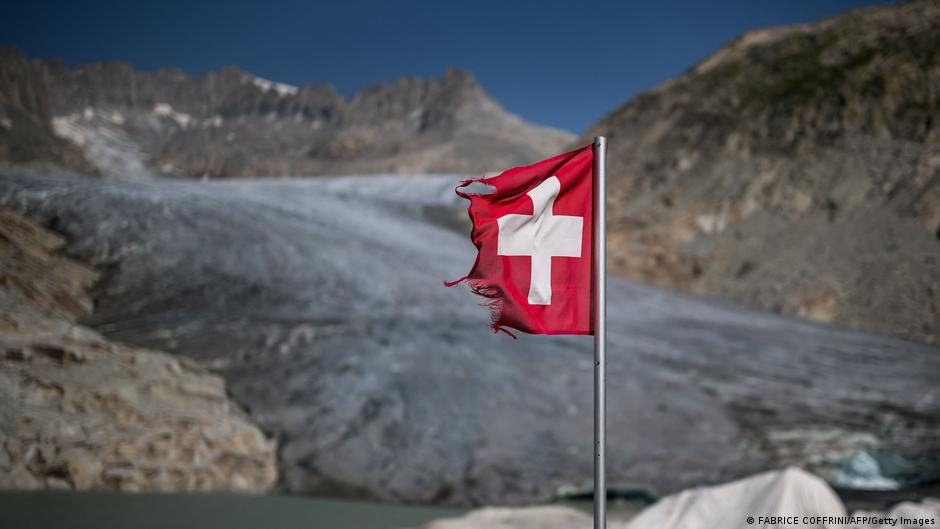
Swiss glaciers have lost nearly 20% of their mass over the past five years, with 2026 experiencing the second-largest recorded loss of glacier volume. Experts warn that unprecedented heatwaves in Europe and insufficient winter snowfall are driving this rapid decline.
Highlights
- Swiss glaciers experienced a 5.5% loss in volume during 2026.
- This marks the second-biggest annual drop in recorded history.
- Over the last five years, nearly 20% of Swiss glacier mass has melted.
- Experts predict that there might be no ice left in Switzerland within 10 to 15 years.
- The melting is attributed to record summer temperatures and low winter snowfall.
Details
According to a new study by the Glacier Monitoring in Switzerland (GLAMOS) network, Swiss glaciers lost 5.5% of their volume in 2026. This significant reduction is the second-largest on record. Matthias Huss, the head of GLAMOS, described 2026 as "a catastrophic year" due to a combination of minimal winter snowfall and record-breaking summer temperatures. Huss stated, "Alpine glaciers have no chance of surviving in the long term under such conditions."
The report also highlighted that Swiss glaciers have lost almost a fifth of their ice over the past five years. This rapid melting poses a potential threat to future water supplies and raises concerns about the long-term viability of Europe's ice fields. Huss further warned, "There will probably be no ice in 10 or maybe 15 years."
Why it matters
This accelerated glacier melt serves as a stark indicator of the impacts of global warming, particularly in Europe, which is warming faster than any other continent. Experts attribute the current warming entirely to anthropogenic (human-caused) climate change. The disappearance of these glaciers not only affects natural landscapes but also has serious implications for regional water resources and ecosystems.