Qatar PM Meets Trump: Latest on US-Iran Negotiations
Qatari Prime Minister Sheikh Mohammed bin Abdulrahman bin Jassim Al Thani met with US President Donald Trump at the White House to discuss Iran's nuclear program and efforts to end the conflict.
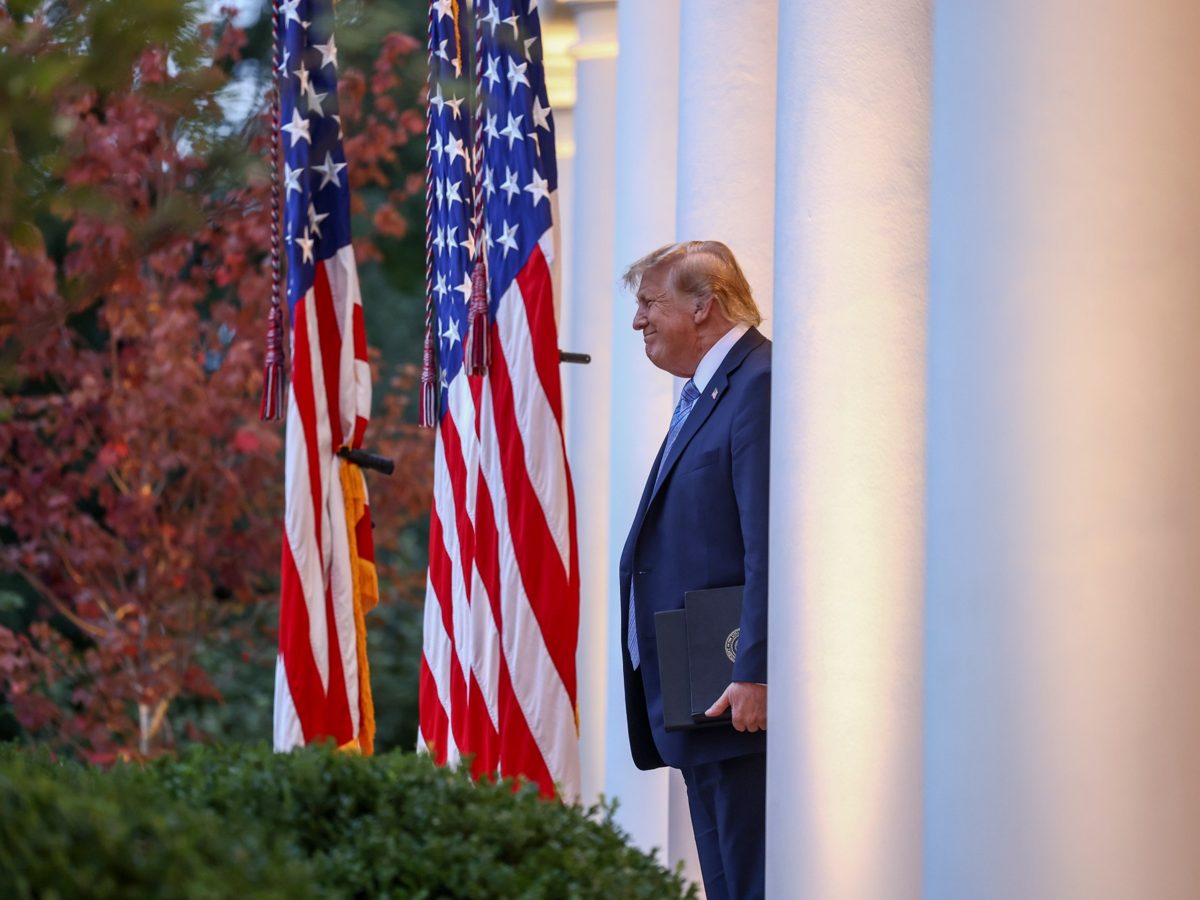
Qatari Prime Minister Sheikh Mohammed bin Abdulrahman bin Jassim Al Thani held a closed-door meeting with US President Donald Trump at the White House. The discussions focused on ongoing diplomatic efforts to address Iran's nuclear program and the terms for ending the conflict in the region. Qatar has been acting as an intermediary between Washington and Tehran.
Highlights
- Iran has presented a new two-day nuclear and peace proposal to the US via Qatari mediators, which Washington is currently reviewing.
- US President Donald Trump indicated that new strikes are "highly unlikely" if negotiations yield a strong agreement.
- Iran warned it would "rain down hell" if the US resumes attacks, while the US stated it has identified additional targets.
- US Secretary of State Marco Rubio described Iran's demands as "unacceptable, and in some cases, outrageous and ridiculous and really not realistic," noting no progress in negotiations.
- Defense Secretary Pete Hegseth and CENTCOM commander Brad Cooper are reportedly pressing Trump to resume attacks against Iran.
Details
Iran has stated its willingness to negotiate only after Washington meets its seven core demands. These demands include the lifting of sanctions imposed after the collapse of a Memorandum of Understanding (MoU) signed in June, a reduction in the US military presence in the region, the reinstatement of oil waivers granted as part of the MoU, and the release of frozen Iranian funds. Additionally, Tehran seeks formal recognition of a new shipping route in the Strait of Hormuz and an end to the war on all fronts, including Israeli attacks on Lebanon.
Iranian Foreign Minister Abbas Araghchi warned that Tehran would "rain down hell" if the US resumes attacks. The Islamic Revolutionary Guard Corps (IRGC) echoed these threats, stating their weapons have been "secured for years to come." The US, for its part, announced it has identified additional targets in Iran should military action resume and has three aircraft carriers stationed in the region.
According to the International Atomic Energy Agency, Iran possesses 440.9 kg (972 pounds) of uranium enriched up to 60 percent purity. This level is a short technical step away from weapons-grade levels of 90 percent. Iran's increased enrichment followed Trump's withdrawal from the nuclear deal in 2018.
Why it matters
These meetings and reciprocal statements highlight the high tensions between the US and Iran and the challenges in finding a diplomatic resolution. The situation holds significant implications for regional stability and global energy security, with uncertainty remaining about whether the parties can reach a compromise. Iran's nuclear program and the status of the Strait of Hormuz are particularly closely watched by the international community.