Qatar's Emir Highlights Resilience Amid 'Exceptional Events' in the Region
Qatar's Emir Sheikh Tamim bin Hamad Al Thani stated that despite regional instability following the US-Israeli war on Iran, his country has maintained its strength and cohesion.
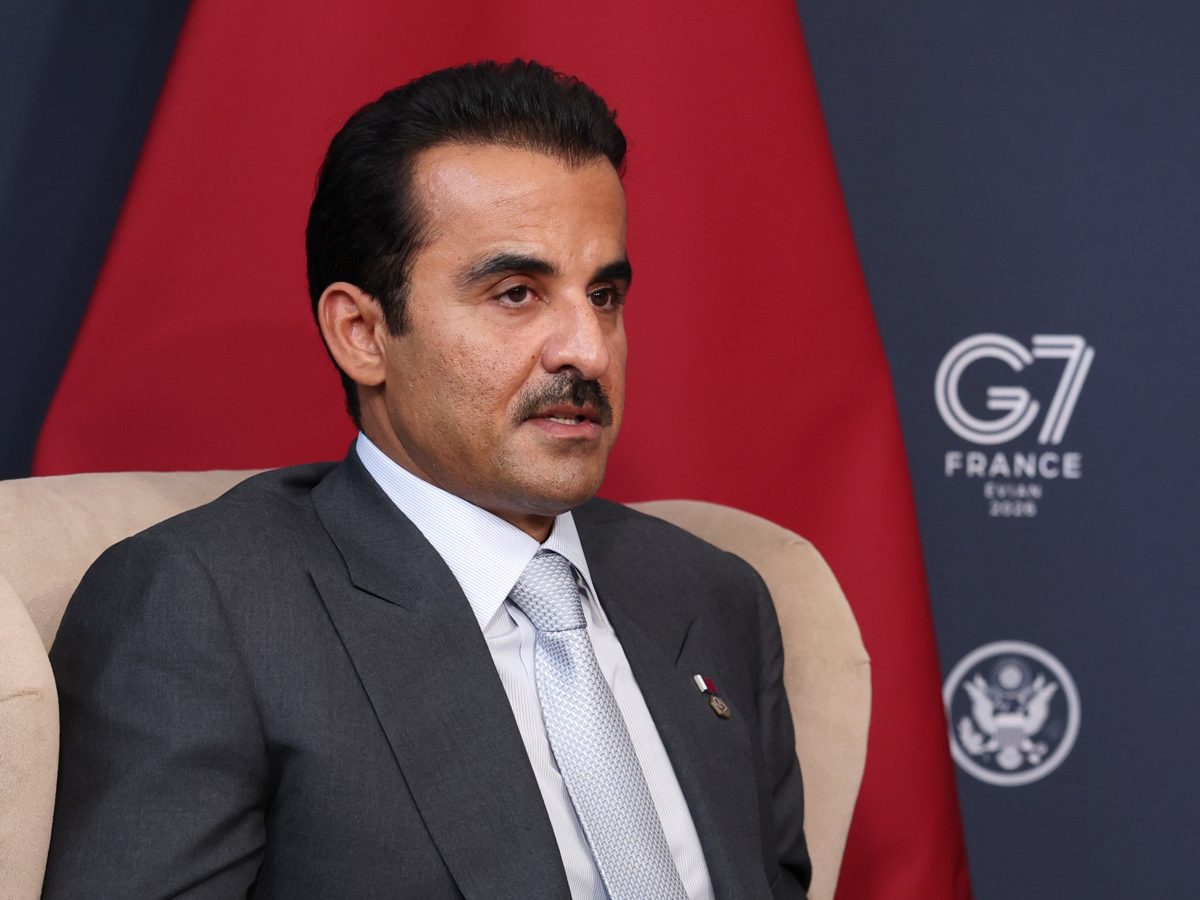
Qatar's Emir Sheikh Tamim bin Hamad Al Thani informed the Shura Council that despite the "exceptional events" in the region following the US-Israeli war on Iran, Qatar has maintained its strength and the cohesion of its state institutions. The Emir underscored the country's resilience and unity during this period.
Highlights
- The Emir of Qatar emphasized the country's resilience and the cohesion of its state institutions despite regional instability.
- Qatar found itself caught in the war, which began on February 28 and triggered a global energy crisis.
- Iran directly attacked Qatar on several occasions, including a strike on the Ras Laffan gas facility, the world's largest LNG production site, in March.
- The Emir stated a preference for peaceful conflict resolution but maintained that the security of the Gulf Cooperation Council (GCC) is non-negotiable.
- He called for increased efforts to secure navigation in the Gulf and the Strait of Hormuz, and to protect energy facilities.
Details
Speaking in Doha, Emir Sheikh Tamim stated that the events faced by his country and the region have once again proven the robustness of state institutions. Qatar has directly felt the impacts of this war, which began on February 28 and sparked a global energy crisis. Notably, Iran's attack on the Ras Laffan gas facility, the world's largest LNG production site, in March, demonstrated Qatar being a direct target.
Sheikh Tamim noted that Qatar has been able to absorb the consequences of regional instability due to policies implemented before the war. While emphasizing Doha's preference for resolving conflicts through peaceful means and dialogue, he also asserted that the security and sovereignty of the Gulf Cooperation Council (GCC) states are non-negotiable.
Why it matters
These statements highlight the impact of escalating tensions in the Middle East, particularly the US-Israeli war on Iran, on regional countries. Qatar's concerns regarding energy security and the protection of maritime routes could have significant implications for global energy markets and international trade. Achieving regional stability is crucial not only for the Gulf states but also for the global economy. This situation amplifies the importance of Qatar's diplomatic efforts and its stance on regional security.