Single Ebola Death in Kenya Sparks Fears of Wider Regional Spread
A single Ebola death in Kenya, involving a patient who traveled from the Democratic Republic of Congo (DRC), has raised concerns about the virus's potential regional spread and the effectiveness of bo
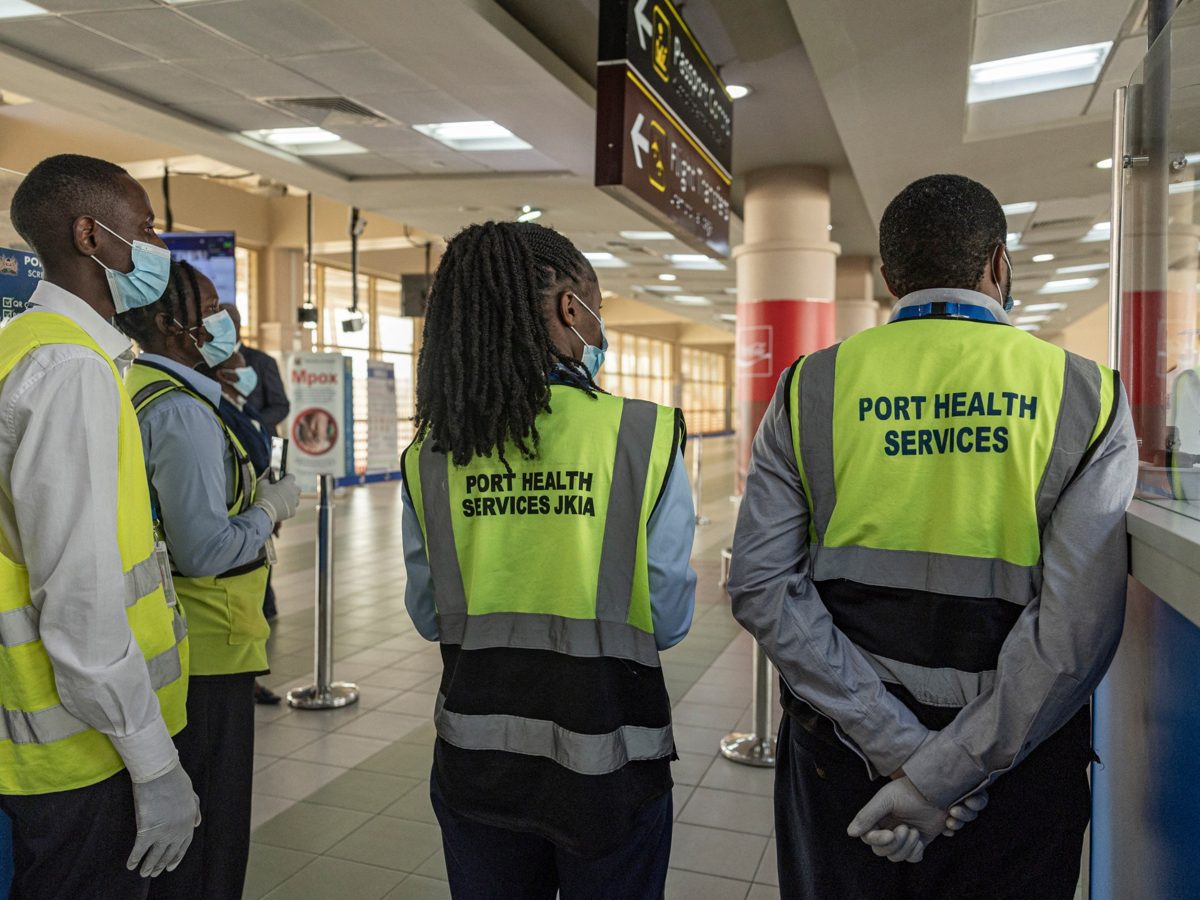
Kenya has reported its first death from the deadly Bundibugyo (BDBV) strain of the Ebola virus, which originated in the Democratic Republic of Congo (DRC) earlier this year. The patient's journey from the DRC, through Uganda, and then by flight to Nairobi, has cast doubt on Uganda's "Ebola-free" status and raised questions about the rigor of Kenya's screening processes.
The World Health Organization (WHO) stated that the Kenyan government is now enhancing disease surveillance with more targeted screening at high-risk points of entry. However, experts warn that the scale of the outbreak is overwhelming for many systems.
Highlights
- Kenya announced its first death from the Bundibugyo (BDBV) strain of Ebola, involving a patient who traveled from the DRC.
- The patient traveled by road from the DRC to Uganda, then flew to Nairobi, Kenya.
- This incident has raised concerns about the potential for wider spread, despite Uganda being declared "Ebola-free."
- Kenyan health authorities are tracing 28 potential contacts and 23 passengers plus 4 crew members from the patient's flight.
- The WHO is supporting Kenya's efforts to control the outbreak, emphasizing the importance of rapid response.
Details
The unnamed Kenyan patient, who had lived in the DRC for several years, first fell ill there about a month ago and received treatment. On October 2, the patient traveled by road to Kampala, Uganda, and then flew to Nairobi, arriving the next day. Upon arrival in Kenya, the individual was hospitalized, quickly isolated, and tested positive for the virus. The patient died on Monday and was buried on Tuesday in accordance with Ebola protocols.
While the Ugandan government stated the patient had a normal temperature during screening at Entebbe airport, Kenyan authorities suspect the patient may have taken medication to mask symptoms during later screening in Nairobi. The virus's spread is facilitated by population mobility, cross-border trade, and fragile healthcare systems. Ongoing conflict in eastern DRC further complicates containment efforts.
Why it matters
There is currently no vaccine for the Bundibugyo strain of Ebola, which is believed to have resulted from a new animal-to-human transmission before spreading between humans. The outbreak in the DRC has already killed over 4,148 people, and its potential to spread to neighboring countries poses a significant threat to regional health security. Gaps in border controls heighten the risk of wider dissemination, drawing international attention to the urgency of effective containment measures.