Kenya 'Doomsday Cult' Leader Faces Verdict in Child Murder Trial
In Kenya, 'doomsday cult' leader Paul Mackenzie and 29 followers are facing a verdict in a mass murder trial, accused of starving children to death.
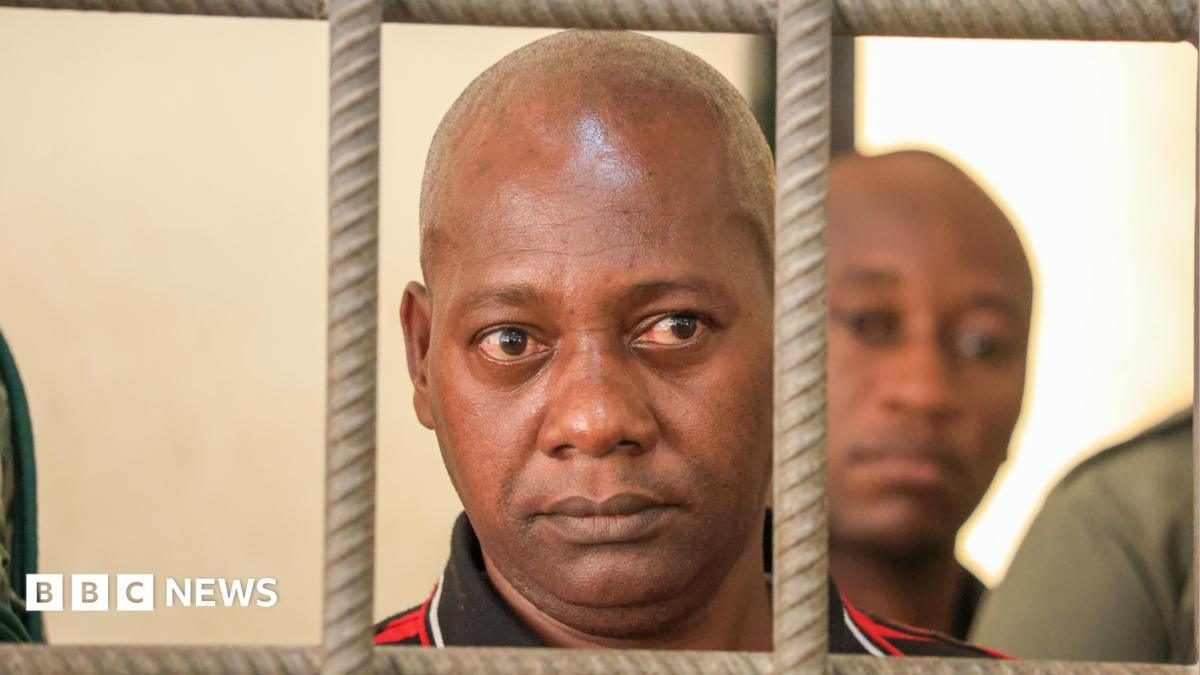
A Kenyan court is preparing to deliver a judgment in a mass murder case involving 'doomsday preacher' Paul Mackenzie and 29 of his followers. They stand accused of murdering 191 children, with prosecutors alleging Mackenzie lured victims to their deaths through notes from his prison cell. The cult is said to have compelled children to starve to death in order to 'meet Jesus.'
Highlights
- Paul Mackenzie and 29 associates are on trial for the murder of 191 children.
- The cult allegedly forced children to starve to death to 'meet Jesus.'
- Mackenzie's doctrine forbade education and deemed modern medicine 'evil.'
- Authorities discovered over 400 bodies in shallow graves in Shakahola forest.
- Mackenzie faces additional charges, including terrorism and denying children education.
Details
Paul Mackenzie founded Good News International Ministries in 2003, attracting thousands of followers over 16 years. His church operated Times TV, broadcasting sermons that denounced education as 'evil,' healthcare as 'against doctrine,' and digital IDs as 'the mark of the devil.' After the church closed in 2019, Mackenzie encouraged his devotees to relocate to Shakahola forest.
Over 400 bodies have been exhumed from shallow graves in the Shakahola forest, near the Kenyan coast. Gravediggers reported finding children's bodies with 'hands and legs tied and bodies wrapped in bedsheets.' One gravedigger stated, "Every grave we found had at least three bodies. Some of the remains were of children as young as a few weeks old."
Stephen Mwiti recounted losing all six of his children to the cult, managing to bury only his son Samuel's remains. Mackenzie's son, Dan Paul Mackenzie, believes his father should be found guilty of murder, stating, "He was the leader, he was someone who they were looking [up to]. So he is a murderer of mass killing." However, some followers maintain that Mackenzie did not force anyone, and individuals made choices based on their beliefs.
Why it matters
This case highlights the devastating consequences of religious extremism in Kenya, where hundreds of innocent children lost their lives. The trial underscores the destructive impact of cults on society and the critical responsibility of authorities to regulate such organizations. The verdict could set a precedent for preventing similar tragedies in the future.