Musicians in Kashmir, Ladakh, and Gilgit-Baltistan Connect Divided Communities Through Shina Songs
Young musicians in Kashmir, Ladakh, and Gilgit-Baltistan are revitalizing their shared Shina language and renewing ties within a community divided for generations by sharing their songs online.
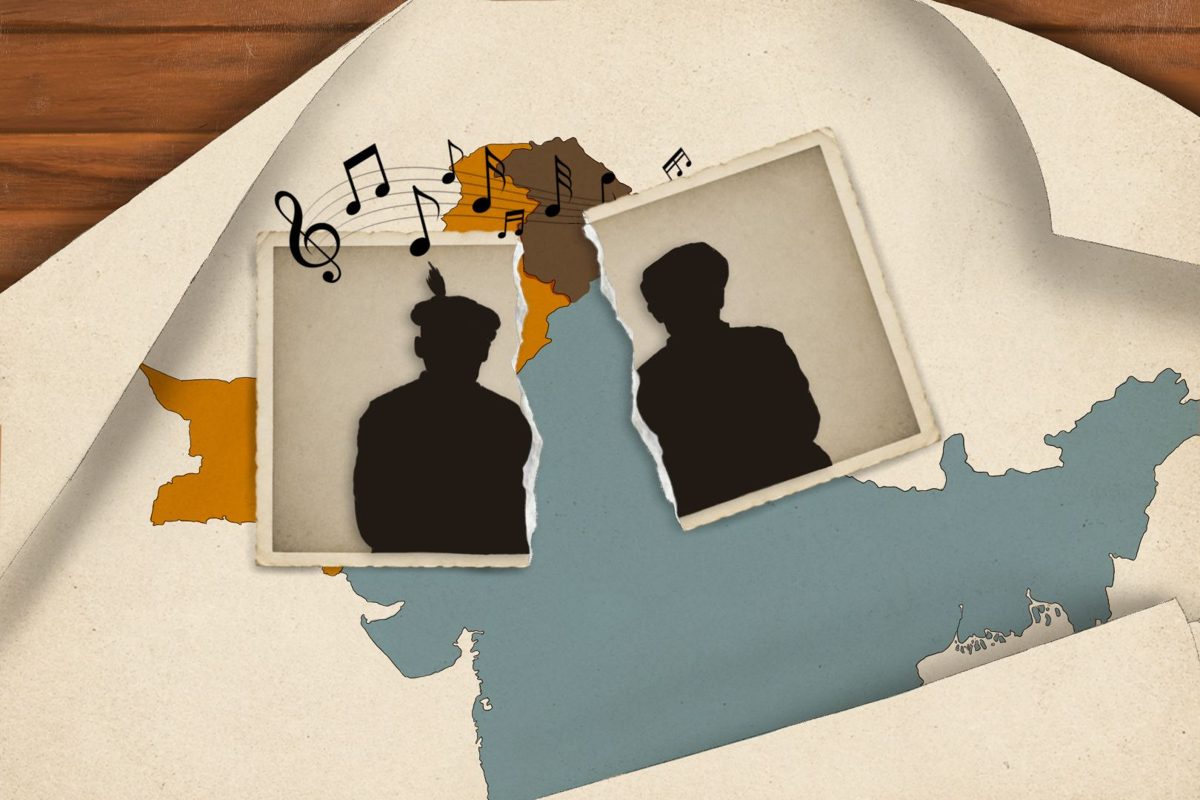
Young musicians across Indian-administered Kashmir, Ladakh, and Pakistan-administered Gilgit-Baltistan are using online platforms to share Shina language songs, fostering connections within a community that has been separated for generations. This initiative not only helps preserve the Shina language but also bridges the divide created by the Line of Control (LoC) between Indian and Pakistani territories.
Highlights
- Shina language songs are connecting communities in Indian-administered Kashmir (Gurez), Ladakh (Drass), and Pakistan-administered Gilgit-Baltistan.
- Musicians face financial pressures, unreliable internet, and political restrictions on movement, yet continue their efforts.
- Sharing songs online is seen as a safer way to communicate for relatives wary of direct contact due to security concerns.
- Artists began sharing music on platforms like Facebook and YouTube in the late 2010s, strengthening cross-community ties.
- Prominent Shina folk singer Salman Paras has significantly contributed to promoting the language by reaching audiences beyond Gilgit-Baltistan through his music.
Details
Aasim Yaseen, a 25-year-old singer from the remote Tulail Valley near the Line of Control in Indian-administered Kashmir, finds inspiration in his songs reaching listeners. Stories from his grandfather about Yaseen's great-great uncle, who lived in Gilgit-Baltistan before the region came under Pakistani control and whose family ties were severed by the establishment of the LoC, highlight the profound significance of this music. Yaseen states, "We were one family. But we were divided into two countries."
Residents in Gurez and Drass are hesitant to contact relatives across the Line of Control directly due to security restrictions. However, sharing Shina songs online offers a safer alternative, allowing people on both sides to listen without needing direct interaction. This approach has been instrumental in reconnecting scattered communities across the mountainous region since 2020.
Artists like Salman Paras have blended Shina folk with modern pop, helping the language reach broader audiences. His song "Karay Karay," recorded with Pakistani singer Ali Zafar, has garnered millions of views, propelling Shina music onto international platforms. Paras emphasizes the unity, saying, "Politically we are divided, but musically our hearts beat together." Iftikhar Uddin Iftikhar, a 29-year-old singer from Gilgit, also expresses surprise and joy that his music has reached Shina-speaking listeners in Kashmir and Ladakh.
Why it matters
This musical movement serves as a powerful example of preserving cultural identity and strengthening social bonds despite political and geographical barriers. Shina music not only helps keep a language alive but also enables the emotional reconnection of families and communities separated for generations. This initiative acts as a promising cultural bridge for fostering peace and understanding in the region.