Anthrax Outbreak Kills Hippos in DR Congo's Virunga National Park
An anthrax outbreak has killed at least 28 hippos in Virunga National Park in eastern Democratic Republic of Congo over the past month.
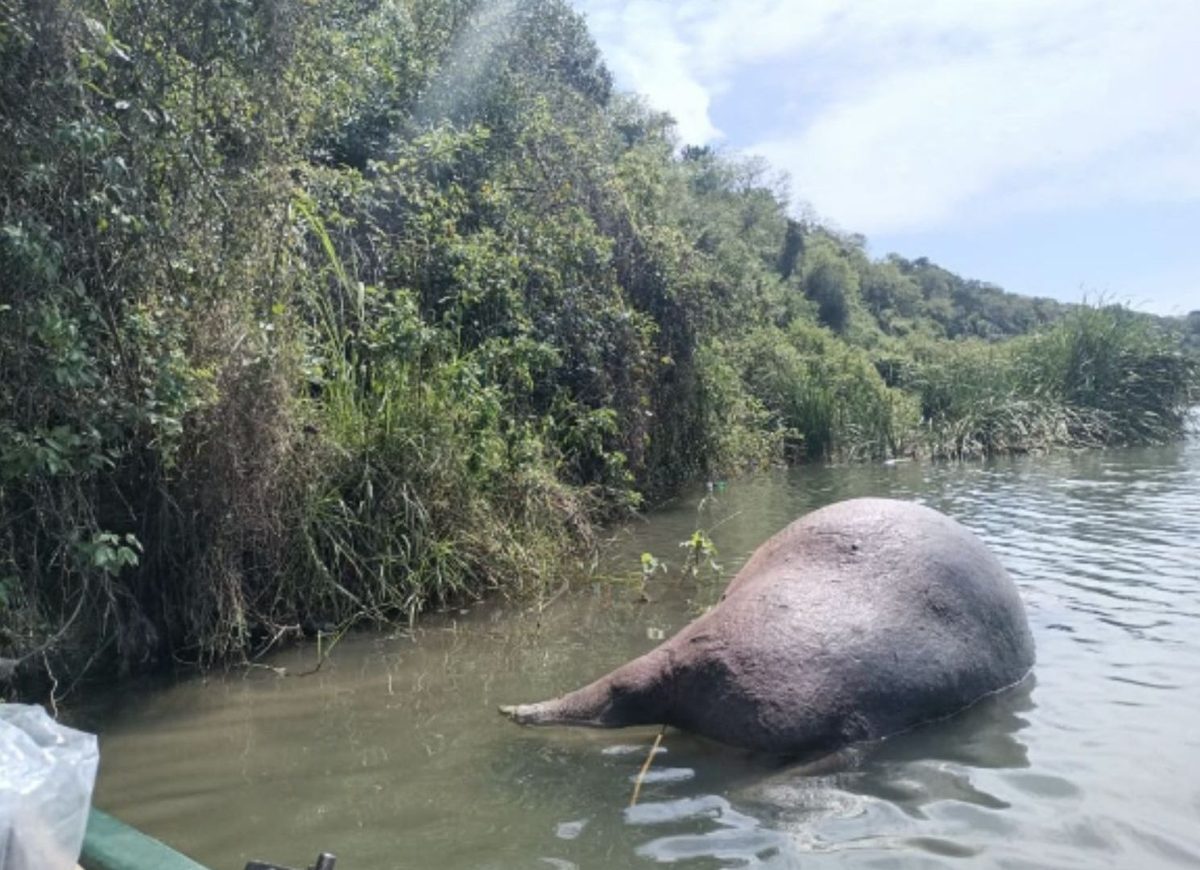
At least 28 hippopotamuses have died from an anthrax outbreak in Virunga National Park, located in the eastern Democratic Republic of Congo (DRC), over the past four weeks. Carcasses discovered in the Semuliki River have raised concerns among local communities residing along its banks. Park officials have issued warnings about the potential for the disease to transmit to humans.
Highlights
- At least 28 hippos have died due to an anthrax outbreak in Virunga National Park in the last month.
- The disease has caused alarm among communities living along the Semuliki River.
- Park officials stated that anthrax can be transmitted to humans through contact with dead or sick animals, or by consuming their meat.
- Drought and ongoing conflict exacerbate threats to wildlife in the region.
- Anthrax spores can survive in soil for decades, with outbreaks increasing during periods of drought.
Details
According to Virunga National Park, laboratory tests confirmed that the deaths were caused by anthrax, a disease attributed to the bacterium Bacillus anthracis. Residents reported noticing mass hippo deaths since mid-September, expressing fear given the ongoing Ebola outbreak in the region.
The park stated that teams are monitoring the affected area, recording new mortalities, and coordinating the safe handling and disposal of carcasses. Local communities have been advised not to touch, skin, or consume dead animals, and to report any suspected cases to authorities.
Joel Mbusa Mapoli, an expert in ecology and veterinary medicine, highlighted the critical role of hippos as ecosystem engineers, noting that their deaths represent a significant loss for the park. Mapoli explained that anthrax outbreaks tend to increase during droughts when animals congregate around limited water sources.
Why it matters
Virunga National Park, Africa's oldest national park, is renowned for its rich biodiversity. The disappearance of hippos could lead to a major disruption of aquatic ecosystems, as these animals play a crucial role in the exchange of matter between terrestrial and aquatic environments. The ongoing anthrax outbreak poses a serious health risk to both wildlife and local communities, while also highlighting the adverse effects of drought and conflict on the region's wildlife.