Avian Flu and Brexit Contribute to Decline in Captive Birds at Northern Ireland's Castle Espie
Castle Espie, a prominent wildlife site in Northern Ireland, has seen a significant reduction in its captive bird collection due to avian flu, cost-cutting measures, and post-Brexit transport challeng
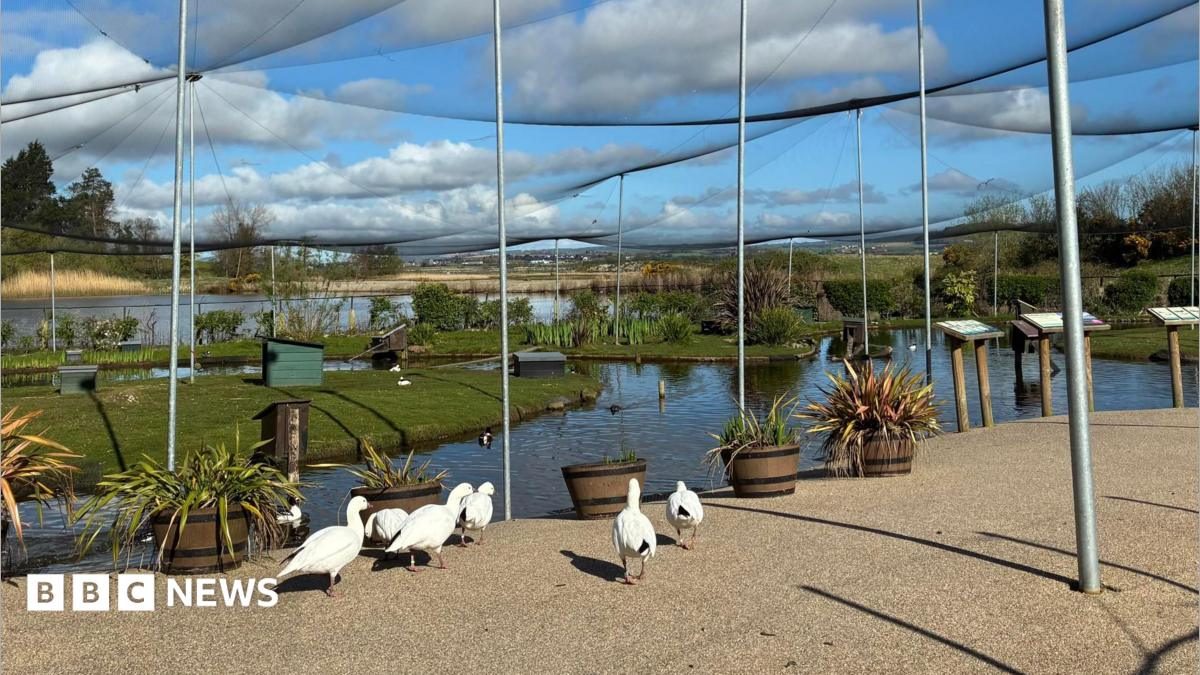
The captive bird collection at Castle Espie, one of Northern Ireland's best-known wildlife sites, is significantly shrinking due to outbreaks of avian flu, rising costs, and transportation difficulties exacerbated by Brexit. The Wildfowl and Wetlands Trust (WWT), the charity managing the site, has attributed the decline to these combined factors.
As part of broader cost-cutting measures driven by financial pressures, the charity is discontinuing both its captive bird program and guided school tours. These changes have been described as "disappointing" by a local Assembly member.
Highlights
- Avian Flu and Brexit Impact: The primary reasons for the decline in captive birds include avian influenza and increased difficulties in transporting birds since Brexit.
- Cost-Cutting Measures: WWT is implementing cost-cutting initiatives due to rising operational costs and challenges in generating sufficient income.
- Significant Bird Reduction: The captive collection, which once housed over 500 birds, now numbers fewer than 100.
- Educational Program Changes: Guided school tours will cease, though self-guided school visits will still be welcomed.
- Bird Relocation: All captive birds at Castle Espie are scheduled to be transferred to other WWT sites across the UK starting in November.
Details
Alex Lane, Director of Operations at the Wildfowl and Wetlands Trust (WWT), stated that Castle Espie's captive bird collection once held over 500 birds. However, due to avian influenza and increased bureaucratic hurdles following Brexit, this number has fallen to below 100. Brexit has created significant challenges, particularly the lack of an aligned system for transporting birds between mainland UK and Ireland.
Regulatory shifts under the Windsor Framework have intensified biosecurity checks, leading to substantial administrative and logistical costs for moving birds, including requirements for export health certificates and entry point inspections. This places considerable financial strain on charities. Alex Lane highlighted that WWT faces a significant deficit, which is unsustainable in the long term.
Why it matters
The changes at Castle Espie could have important implications for both nature conservation efforts and environmental education opportunities. The discontinuation of guided school tours may reduce access to high-quality environmental education, particularly for schools with limited resources. Furthermore, this situation underscores the tangible impacts of Brexit and disease outbreaks on wildlife and conservation projects across the UK.