North Korea Rejects UN Nuclear Watchdog Resolution
North Korea's Foreign Ministry has dismissed a resolution by the International Atomic Energy Agency (IAEA) criticizing its nuclear program, stating its nuclear status is 'irreversible'.
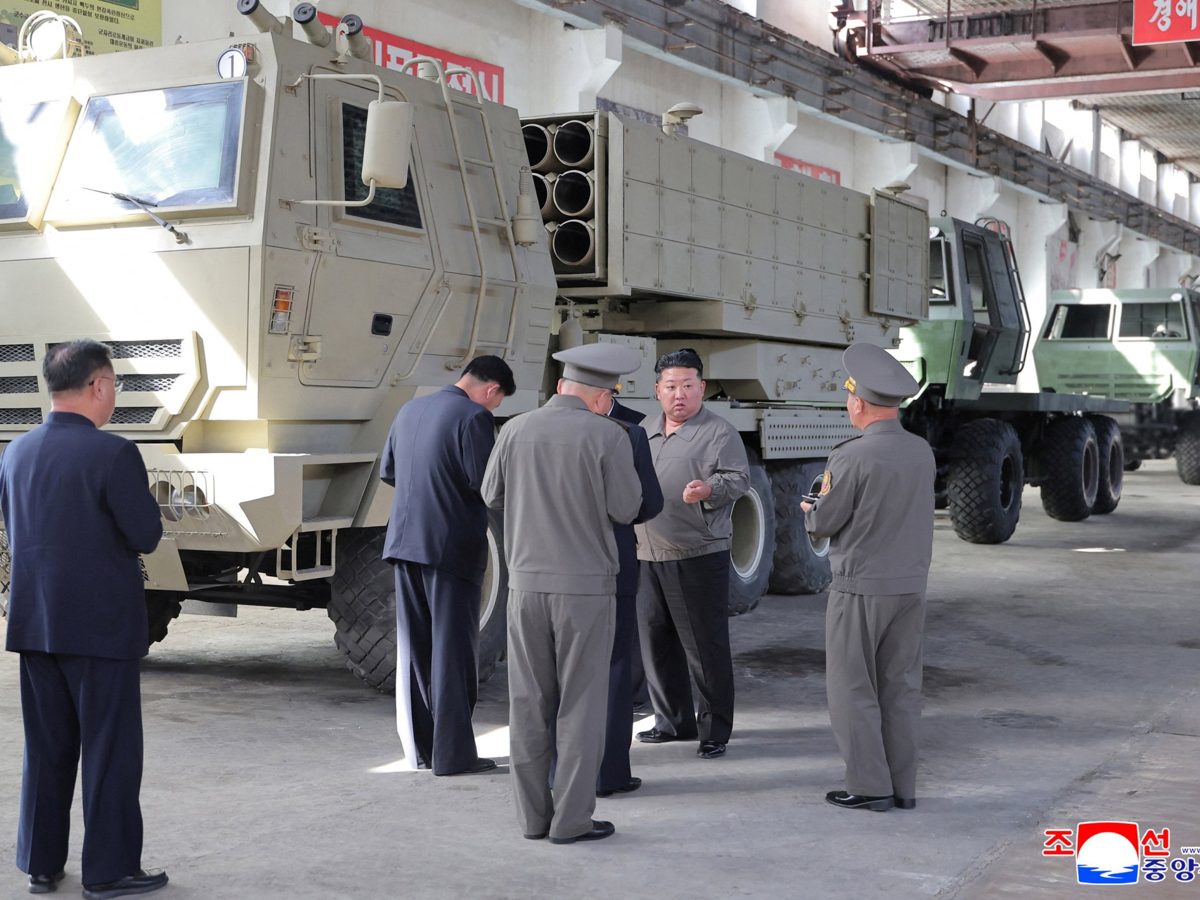
North Korea's Foreign Ministry has rejected a resolution from the International Atomic Energy Agency (IAEA) that criticized Pyongyang's nuclear weapons program. The nation asserted that its status as a nuclear power is irreversible and is supported by its nuclear deterrent capabilities.
Kim Yo Jong, the sister of North Korean leader Kim Jong Un, accused the IAEA of applying double standards. She stated that the agency's "biased viewpoint and double standards" are the primary cause of the collapse of the international nuclear non-proliferation system.
Highlights
- North Korea dismissed the IAEA's resolution criticizing its nuclear program.
- The Foreign Ministry declared the country's nuclear power status as irreversible.
- Kim Yo Jong accused the IAEA of double standards, favoring the US and South Korea.
- North Korean leader Kim Jong Un reportedly inspected key munitions factories this week.
- US President Donald Trump expressed a desire for dialogue with Pyongyang, with South Korea attempting to facilitate potential talks.
Details
North Korea's Foreign Ministry claimed that "hostile forces" sought to end the country's nuclear program during this week's IAEA general conference. A spokesperson for the ministry stated that the "resolution" crafted by the US and the West would have no effect on the DPRK's position as a nuclear weapons state. State media also reported that Kim Jong Un conducted a three-day inspection tour of major munitions factories this week.
Analysts suggest that North Korea has been overhauling its military with Russian assistance since the two nations signed a mutual defense treaty in 2024. They also noted that combat experience gained by Pyongyang's troops deployed in the Ukraine war has contributed to these efforts. Additionally, Kim Jong Un delivered a lecture to propaganda workers, emphasizing the need for modern "ideological warfare" to be innovative, creative, and aggressive.
Why it matters
North Korea's declaration of its nuclear status as "irreversible" and its rejection of international monitoring agency resolutions complicate global nuclear disarmament efforts. Conversely, the expressed desire by the US and South Korea for dialogue with North Korea offers a potential pathway to de-escalate regional tensions. This situation carries significant implications for nuclear proliferation and regional stability.