Malaysia Begins Repatriating Rohingya Refugees Despite Safety Warnings
Malaysia has started sending approximately 1,500 Rohingya refugees back to Myanmar, despite warnings from the United Nations and human rights groups about unsafe conditions.
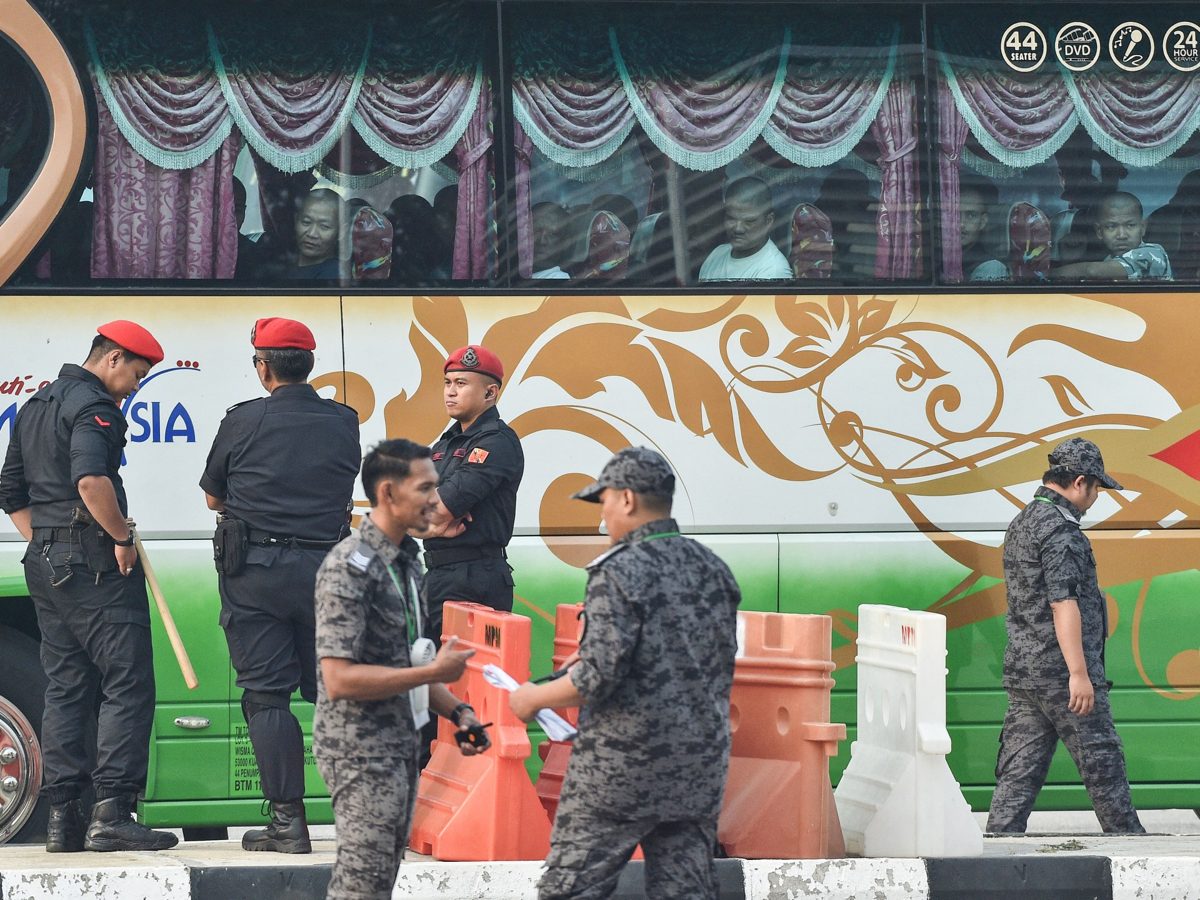
Malaysia has commenced the repatriation of nearly 1,500 Rohingya refugees to Myanmar, deeming their return voluntary. This move comes despite strong warnings from the United Nations (UN) and various human rights organizations, which assert that Myanmar remains unsafe for the Rohingya community.
On Tuesday, dozens of buses, under police escort, arrived at a stadium near the Lumut naval base in northwestern Malaysia. Journalists were denied access to the site. The refugees are expected to be processed there before being transported by ship to Myanmar.
Highlights
- Malaysia has initiated the return of approximately 1,500 Rohingya refugees to Myanmar.
- The UN Refugee Agency (UNHCR) and human rights groups have cautioned that conditions in Myanmar are not conducive for safe and dignified returns.
- Malaysia's government claims the repatriations are voluntary, but critics question the free will of individuals held in detention.
- The Myanmar military has been accused of a 2017 crackdown described by many as genocide, leading to a major refugee crisis.
- Malaysia hosts over 126,144 Rohingya refugees, while Bangladesh hosts the largest number, exceeding 1.2 million.
Details
The Myanmar army has a history of severe crackdowns on the country's Rohingya minority, including a wave of violence in 2017 that many rights groups labeled as genocide. This led to hundreds of thousands of Rohingya fleeing to Bangladesh, Malaysia, and other neighboring nations. Myanmar officially denies the Rohingya's ethnic identity, referring to them as “Bengalis.”
Malaysian Prime Minister Anwar Ibrahim stated in July that Myanmar had agreed to accept 5,000 Rohingya. The nearly 1,500 individuals being repatriated on Tuesday are part of this larger group. Malaysia's Ministry of Home Affairs indicated that two Myanmar naval warships and a hospital ship would be used for the transport.
UNHCR has clarified that it has no involvement in the operation and warned that ongoing conflict and violence in Myanmar mean that conditions for safe and dignified returns do not exist. Nay San Lwin, co-chair of the Arakan Rohingya National Council (ARNC), stated, "The genocide has never stopped. Sending Rohingya back to this is not repatriation. It is sending people back to a killing field."
Why it matters
This decision to repatriate Rohingya refugees raises significant concerns regarding their safety and human rights. Malaysia is not a signatory to the 1951 Refugee Convention and does not formally recognize refugee status, which complicates adherence to international protection standards. The persistent conflict and alleged atrocities against the Rohingya in Myanmar amplify the risks faced by those being returned.