Netanyahu's Enduring Impact on Israel's Institutions and Politics
Benjamin Netanyahu, Israel's longest-serving prime minister, has significantly reshaped the country's institutions, politics, and social attitudes during his decades-long career.
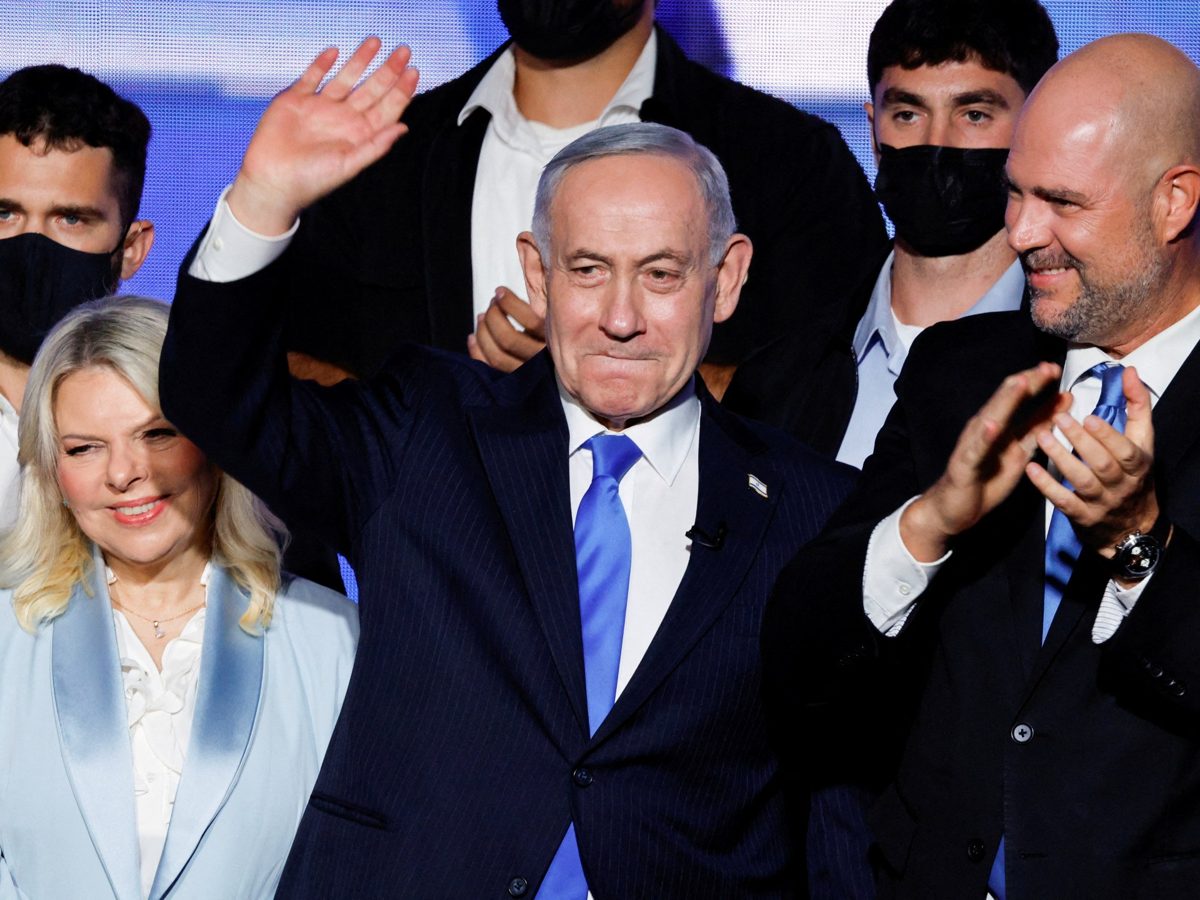
As Israel approaches the October 27 elections, its longest-serving Prime Minister, Benjamin Netanyahu, is seeking re-election. Throughout his decades-long political career, he has profoundly influenced the nation's institutions, political landscape, and social attitudes. Analysts suggest that Netanyahu's most lasting legacy might be the right-wing, militaristic opposition he helped create and now confronts.
Highlights
- Netanyahu entered Israeli politics in the early 1990s by opposing potential peace agreements with Palestinians and Syria.
- He became the youngest prime minister in 1996, elevating extreme-right and religious parties into indispensable parts of his coalition.
- The 2018 "Nation-State Basic Law" declared Israel as the exclusive state of the Jewish people and made advancing illegal settlements a national priority.
- He spearheaded changes to the Judicial Selection Committee to increase governmental influence over the judiciary, a move he called "judicial reform" but which sparked widespread protests.
- Netanyahu faces corruption charges dating back to 2019, which could lead to imprisonment if he is convicted.
Details
Born in 1949, Netanyahu rose to prominence in Israeli politics in the early 1990s by fueling anger against potential peace deals with Palestinians and Syria. He was accused of incitement leading to the 1995 assassination of then-Prime Minister Yitzhak Rabin, though he denies responsibility. In 1996, his populist tactics led him to become Israel's youngest prime minister.
Under his leadership, religious courts expanded their powers, and ultra-Orthodox schools received record levels of funding. In 2018, the Knesset (Israeli Parliament) passed the Nation-State Basic Law, which declared Israel as the "exclusive state of the Jewish people" and prioritized illegal settlements. This law has been cited by international experts and human rights groups as evidence of discriminatory practices against Palestinians.
Netanyahu also restructured state institutions, including security bodies, by appointing loyalists. He initiated significant changes to the judicial system, altering the composition of the Judicial Selection Committee to ensure greater political influence. This move, which he termed "judicial reform," was labeled a "coup" by opponents and triggered extensive protests. He currently faces three separate corruption cases filed in 2019, which could result in a prison sentence if he is convicted.
Why it matters
Netanyahu's policies have left an indelible mark on Israel's political and social fabric. His changes to the judicial system and legislation like the Nation-State Basic Law have profoundly impacted the country's democratic balance and the status of Palestinians. Reversing these formative changes, many of which are now law, may prove challenging, as his opponents acknowledge, and will play a critical role in shaping Israel's future political direction.