Netanyahu's Legacy: The Right-Wing Opposition He Has Forged
As Israel approaches elections, Prime Minister Benjamin Netanyahu's most enduring legacy may be the right-wing opposition that has united against him.
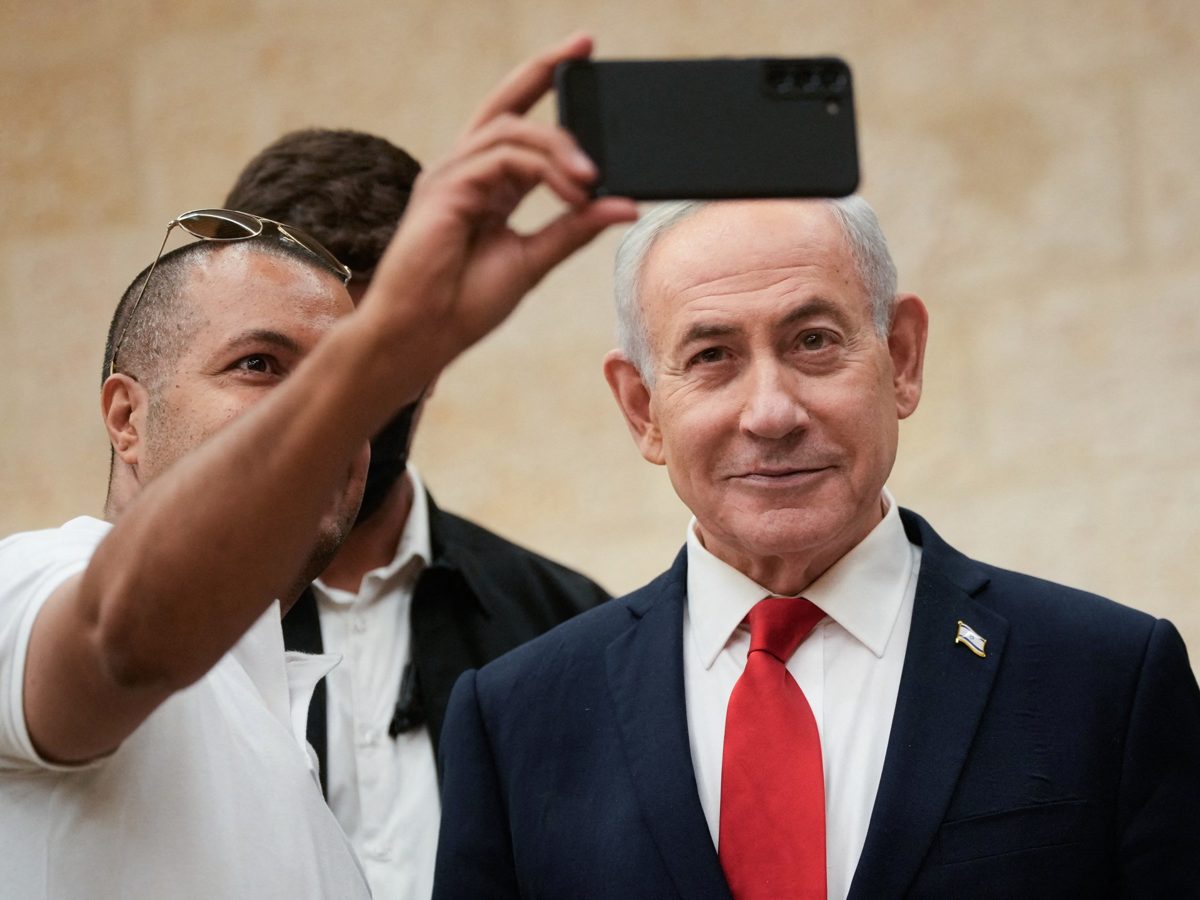
As Israel heads towards elections on October 27, analysts suggest that Prime Minister Benjamin Netanyahu's most lasting domestic legacy might be the right-wing opposition he now faces. His prolonged tenure in power has deepened political polarization within the country, drawing even his right-wing rivals towards similar policy stances.
Netanyahu recently faced a walkout by delegates during his speech at the United Nations General Assembly, but he responded defiantly, projecting an image of strong leadership to his supporters. His former aide, Mitchell Barak, noted that in such situations, Netanyahu embodies the leader the Israeli public wishes to see, and for many Israelis, he is considered "the only man who can truly lead Israel."
Highlights
- Ahead of the October 27 elections, Netanyahu's most enduring legacy is seen as the right-wing opposition that has formed against him.
- Netanyahu's response to protests at the United Nations was perceived by his supporters as an example of strong leadership.
- Analysts suggest Netanyahu has deliberately fueled divisions throughout his political career, shifting Israeli politics further to the right.
- His judicial reform efforts sparked massive protests and widespread public debate.
- Recent polls indicate a potential decline in the number of seats for Netanyahu's Likud party.
Details
Born in Tel Aviv in 1949, Benjamin Netanyahu spent his early years between Israel and the United States. He served as Deputy Chief of Mission at the Israeli embassy in Washington in 1982, later becoming Israel's Ambassador to the UN. In 1996, he became Israel's youngest prime minister, and from 2009 to 2021, he served a record 12-year tenure. Last year, he returned to power for a sixth term, leading the most far-right government in Israel's history.
Under Netanyahu's leadership, Israeli politics have continued to shift rightward. The path toward a two-state solution has been largely abandoned, and the expansion of illegal settlements in the occupied West Bank has accelerated. According to the UN Office for the Coordination of Humanitarian Affairs (OCHA), there were 1,291 settler attacks in 2023 and 1,835 in 2025. Since October 7, 2023, at least 1,071 Palestinians have been killed in the West Bank by Israeli forces or settlers.
Netanyahu's current coalition includes controversial figures such as National Security Minister Itamar Ben-Gvir and Finance Minister Bezalel Smotrich. Opponents argue that by including these individuals in his government, Netanyahu has fueled racism and extremism in the country. Former parliamentarian Aida Touma-Sliman stated, "Netanyahu didn't create the racism and fascism in Israel, but he's helped it."
Why it matters
Netanyahu's political legacy extends beyond his time in office, shaping the overall trajectory of Israeli politics. The fact that the opposition bloc uniting against him is also largely composed of right-wing and militaristic parties demonstrates how deeply Netanyahu has entrenched political polarization and the rightward shift in the country. This suggests that right-wing tendencies are likely to remain dominant in Israel's future policies. The election results will significantly impact Israel's domestic and foreign policy stance.