New York City Prepares to Ban Horse-Drawn Carriages in Central Park
New York City Council is moving to ban horse-drawn carriages in Central Park starting in 2028, citing animal welfare and public safety concerns.
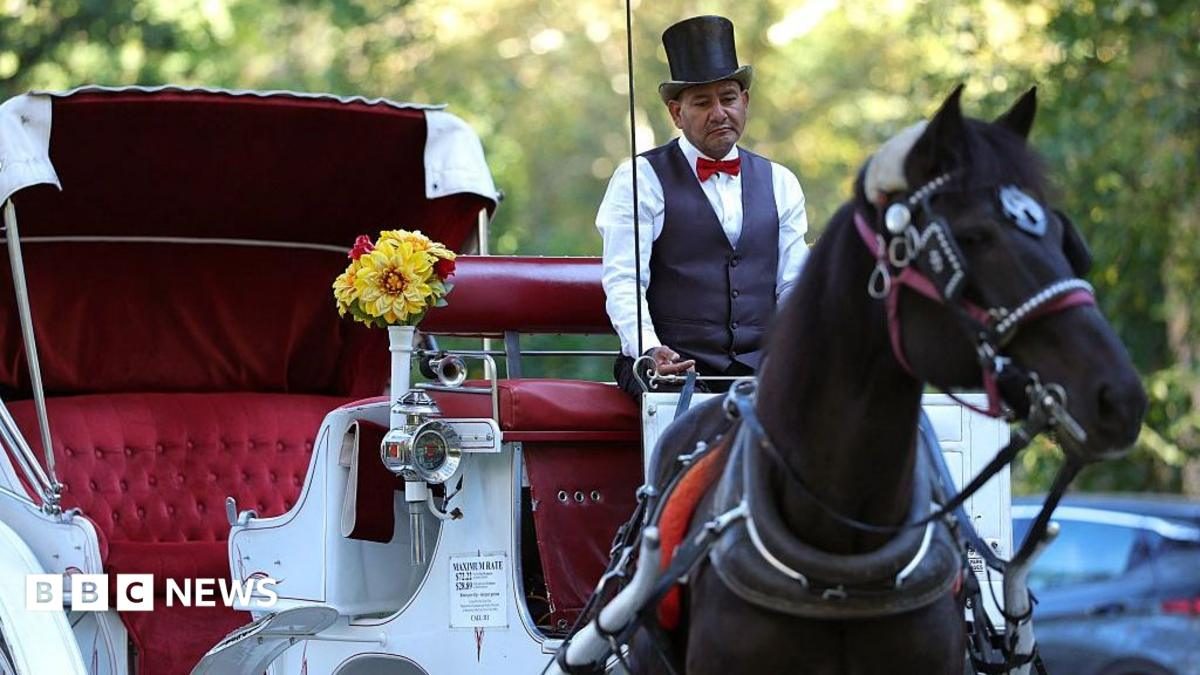
The New York City Council is poised to ban horse-drawn carriages, a tradition in Central Park for over 160 years. A vote on the proposed ban is expected on Thursday, with implementation slated for June 2028. This decision is being hailed as a victory by animal rights activists, while carriage drivers express deep concerns about losing their livelihoods.
Highlights
- The New York City Council is expected to vote on a ban on horse-drawn carriages in Central Park.
- The ban, driven by animal welfare and public safety concerns, is set to begin in June 2028.
- Carriage drivers fear for their incomes and the future of their horses.
- The move gained momentum following a fatal accident this summer.
- The city plans to offer transition support, including job placement and financial compensation, for affected workers.
Details
Central Park is home to approximately 200 horse-drawn carriage drivers. While the service is a popular tourist attraction, it has long faced criticism from animal rights groups and some city residents. According to the Manhattan Borough President's office, 40 horses working in Central Park have died since 1982 due to issues like overheating and collisions.
A tragic incident this summer significantly accelerated the push for the ban. In June, 18-year-old tourist Romanch Mahajan, visiting from India, died after falling from a bolting carriage. The proposed legislation has since been named "Romanch's Law" in his memory. The death of another carriage horse, Deniz, this year after eating a toxic plant in Central Park, further fueled concerns.
Carriage drivers, however, maintain that they care for their horses diligently and that accidents are rare. Medet Fidan, a driver for 12 years, stated he spends more time with his horses than his family. The city proposes a transition framework for drivers, including job placement, training, and financial compensation. However, the Transport Workers Union, representing the drivers, argues that the plan lacks guaranteed compensation and will devastate workers economically.
Why it matters
This ban will mark the end of a 160-year-old tradition that has become an iconic part of New York City. The decision reflects a broader global debate between animal welfare and the preservation of traditional livelihoods. It also sets an important precedent for how cities balance tourist attractions with ethical and safety standards. The effectiveness of the transition plans for drivers and horses will be a crucial aspect, potentially guiding other cities facing similar challenges.