Over 80 Abducted in Nigeria as Police Discover Human Remains
More than 80 people were kidnapped in Nigeria's northern states, while authorities in Abia state found human remains, including 28 skulls.
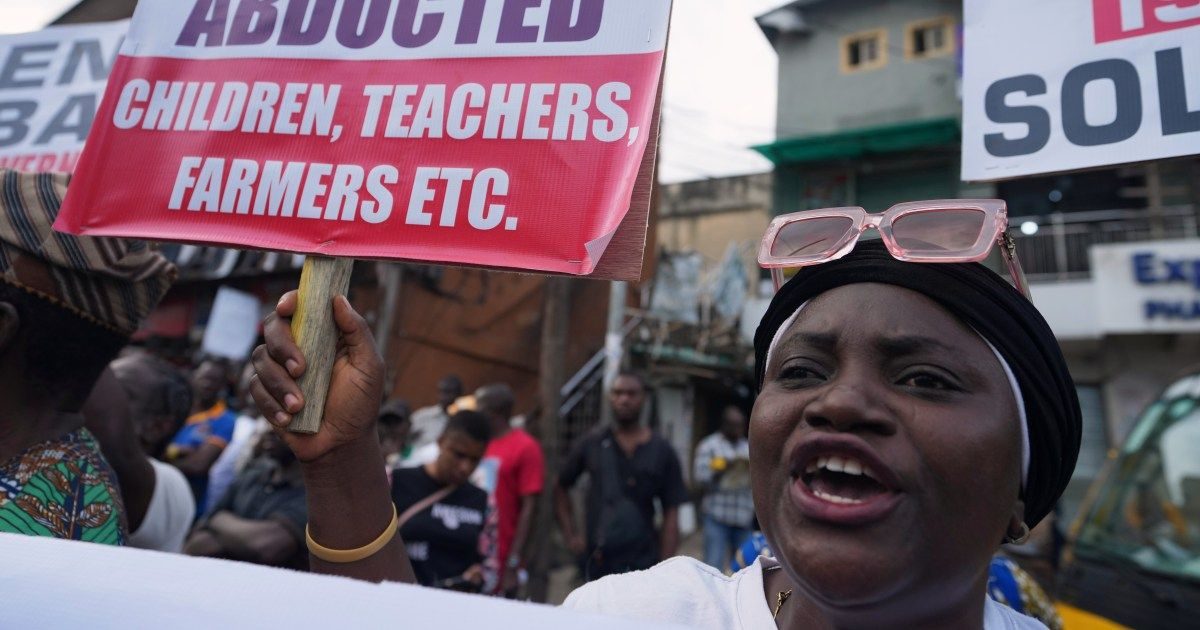
Highlights
- At least 87 individuals, predominantly women, went missing in two separate weekend incidents.
- Forty-seven agricultural workers were seized while harvesting groundnuts in Niger State.
- An additional 40 women were taken in the neighboring Zamfara State.
- Law enforcement in Abia State uncovered 28 human skulls and various bones at suspected gang hideouts.
- Large-scale abductions for ransom have become a prevalent issue in parts of northwestern and north-central Nigeria.
Details
According to reports from AFP, on Saturday, a group of 47 farmers were taken by armed individuals in the Mariga area of Niger State as they gathered groundnuts. The following day, 40 women were kidnapped in the Yargada region of Zamfara State. These incidents represent the latest in a series of attacks by criminal organizations, often referred to locally as "bandits," who specialize in extorting ransoms and stealing livestock. These groups frequently conduct violent raids on villages, resulting in fatalities and the destruction of homes after looting.
Separately, police in Abia State announced on Sunday the discovery of 28 human skulls and other skeletal remains during raids on forest encampments believed to be connected to these criminal factions. Authorities stated that suspects present at the sites fled, and intensive efforts are underway to apprehend them.
Why it matters
Mass kidnappings for financial gain have become a significant problem across several regions of Nigeria. Research from SBM Intelligence, a consultancy based in Lagos, indicates that between July 2025 and June 2026, armed groups collected approximately 7.8 billion naira (nearly $6 million) in ransom payments. This figure represents more than triple the amount paid during the corresponding period of the previous year. This recent wave of abductions occurs just months before the presidential elections in January, where national security, alongside the escalating cost of living, is expected to be a primary concern. President Bola Tinubu is facing increasing scrutiny regarding the perceived inadequacy of security measures.