Nigeria's Refining Revolution Faces Monopoly Concerns as Dangote Dominates Fuel Market
Despite a significant drop in Nigeria's fuel imports thanks to the Dangote Refinery, concerns are rising that the company's monopolistic position is keeping fuel prices high, preventing ordinary Niger
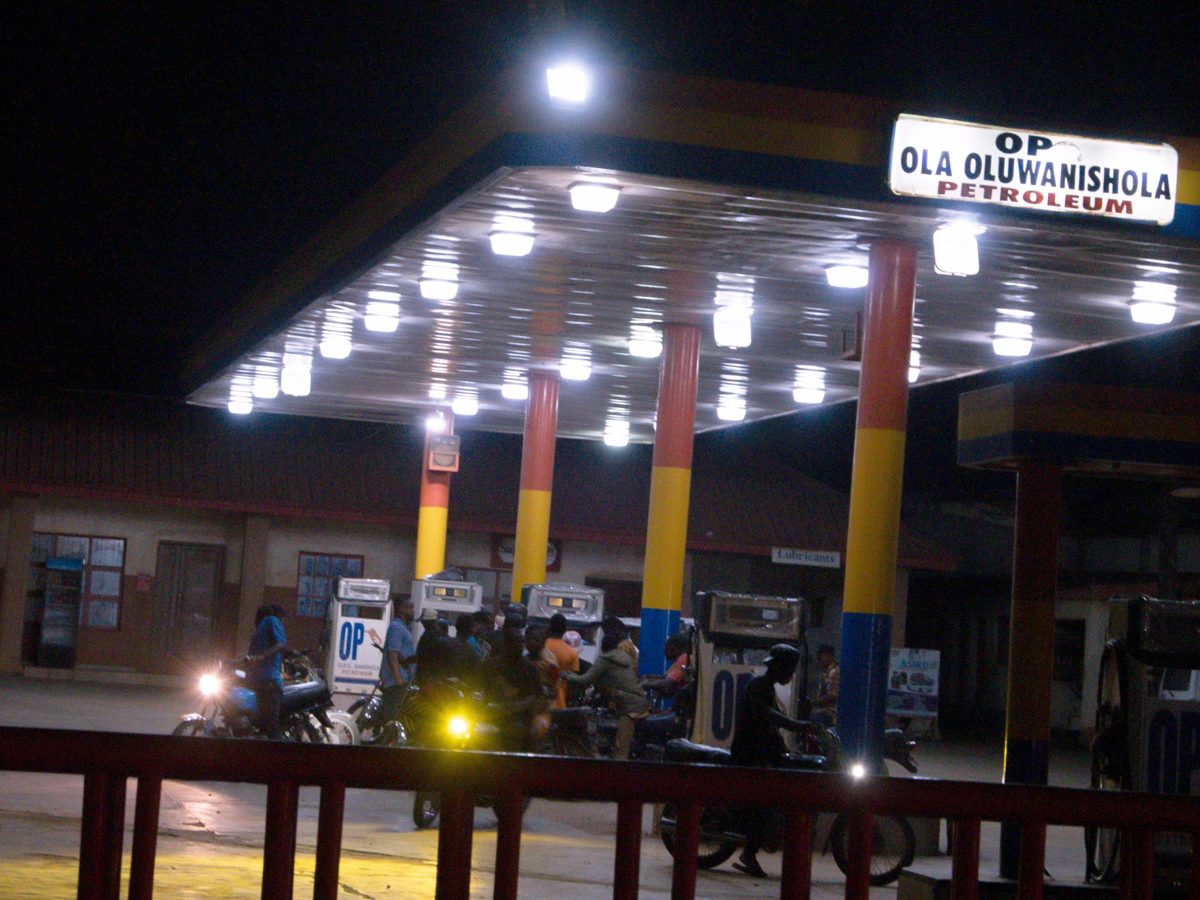
Nigeria's Dangote Petroleum Refinery has achieved a major economic milestone by drastically cutting the nation's fuel imports. However, the market concentration and the refinery's dominant position are reportedly keeping local fuel prices elevated, preventing Nigerians from realizing the expected benefits. This situation is exacerbating the ongoing cost-of-living crisis.
Highlights
- The Dangote Petroleum Refinery is Africa's largest, with a crude processing capacity of 700,000 barrels per day.
- Nigeria's petrol imports have fallen from about 400,000 barrels per day in 2024 to approximately 83,000 bpd this year following the refinery's operation.
- Following the removal of fuel subsidies, petrol prices surged from around 185 Naira (approx. $0.14) per liter to over 1,000 Naira (approx. $0.75).
- Market concentration is preventing the cost advantages of domestic production from being passed on to consumers.
- Rehabilitating state-owned refineries and supporting smaller facilities could foster greater competition.
Details
The Dangote Petroleum Refinery, built at an estimated cost of $20 billion in the Lekki Free Zone in Lagos, was offered to the public in September 2026. Aliko Dangote, the group president, described it as a "People's IPO" and a critical project for Africa's energy security. The refinery began producing diesel and jet fuel in January 2024, followed by petrol supplies to the local market in September 2024.
For years, Nigeria relied heavily on fuel imports due to the struggling, corruption-plagued state-owned refineries. Dangote's launch has reduced this dependency, coinciding with the government's removal of fuel subsidies and the introduction of a "crude-for-naira" mechanism for local refineries. However, the subsidy removal and shift to market-based pricing have led to significant increases in petrol prices, driving up transport and production costs, fueling inflation, and placing a heavy burden on households.
Why it matters
Nigeria's increased domestic refining capacity has the potential to reduce import dependency and ease pressure on foreign exchange reserves. However, the lack of competition and market concentration are hindering these benefits from reaching consumers. Experts suggest that rehabilitating state-owned refineries, supporting small and medium-sized refineries, and implementing more transparent pricing mechanisms are crucial. Otherwise, the profits from domestic production may remain concentrated among a few powerful players, while the public continues to struggle with rising fuel prices and inflationary pressures.