Psilocybin Reshapes Brain Networks, Blurring Boundaries Between Inner and Outer Worlds
New research reveals that psilocybin reorganizes brain networks, reducing the perceived separation between the internal and external world and leading to meaningful experiences.
A new study from Monash University sheds light on how psilocybin affects the brain. While psychedelics have traditionally been thought to cause chaos in the brain, this research suggests that psilocybin reorganizes brain networks, altering perception of the inner and outer worlds and leading to profound experiences.
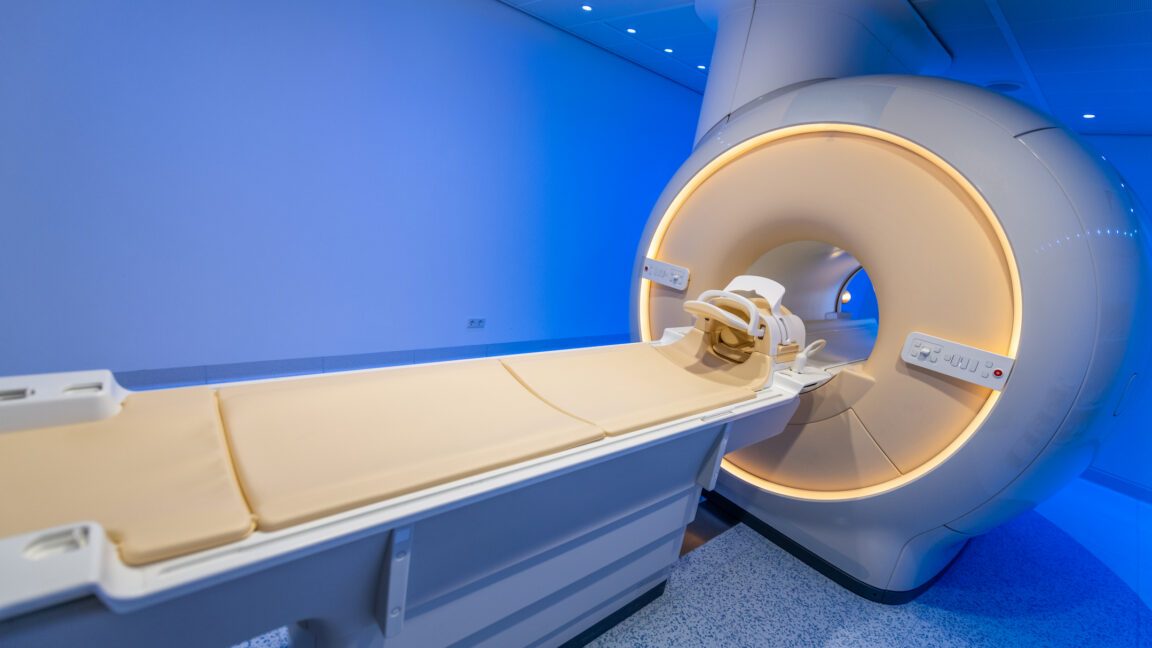
Researchers administered psilocybin to 62 volunteers and analyzed their brain scans using MRI and EEG. Participants were observed in various contexts, including resting, guided meditation, listening to music, and watching a video of clouds. The study found that psilocybin reduces the brain's modularity, strengthening connections between different networks.
Highlights
- Psilocybin leads to an organized reorganization of brain networks, not just chaos.
- The influence of sensory regions decreases, while associative regions gain dominance.
- Brain modularity (specialized separation of networks) decreases, and inter-network connections strengthen.
- Under psilocybin, the difference in brain activity between eyes open and closed shrinks by 85%.
- Half of the participants rated their psilocybin experience among the most meaningful of their lives.
Details
The research team employed an unconventional method for analyzing brain scans. Instead of standard temporal and group averaging, they used a machine-learning tool called CEBRA to examine moment-by-moment individual brain activity. This revealed that under psilocybin, brain activity became more distinctly organized and differentiated across various contexts like rest, meditation, music, and watching a movie.
Devon Stoliker, a neuroscientist at Monash University, stated, “Psychedelics may temporarily alter the organization of brain networks that ordinarily help maintain this separation that we experience.” This could explain why participants reported a reduced sense of separation between the self and the external world, a state Stoliker calls 'embeddedness.' The default mode network and the visual network were found to account for over 20% of this effect.
One day after the session, the vast majority of participants reported positive psychological changes in areas such as their sense of connection to themselves, others, and nature, along with increased peace, acceptance, and creativity. The magnitude of these shifts correlated with the performance of the brain-reading classifier used by the team.
Why it matters
These findings represent a significant step towards understanding the therapeutic potential of psychedelics. The study offers a new perspective on how psilocybin alters brain organization and why these changes lead to meaningful experiences. Future research is needed to determine how environmental factors like music or visuals can be optimized in clinical settings to improve outcomes in psychedelic-assisted therapies.