Riyadh Airport Attack Kills 12, Injures Over 300
An attack on Riyadh's King Khalid International Airport on October 10, 2026, resulted in 12 fatalities and over 300 injuries, escalating regional tensions.
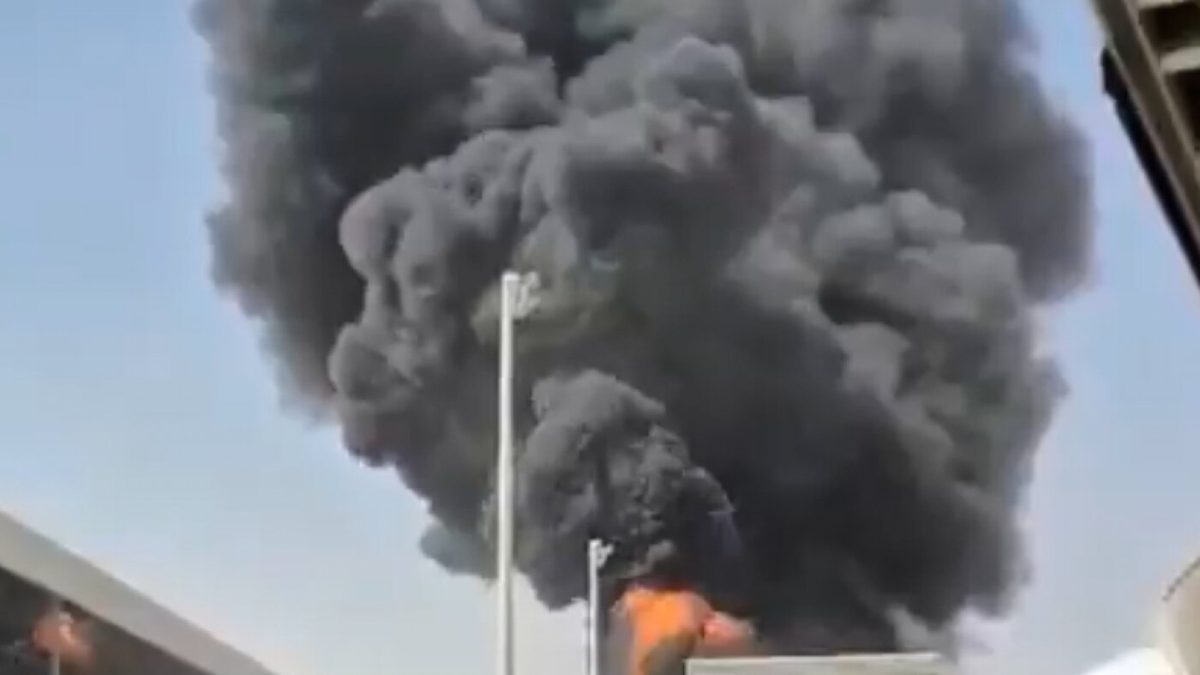
Highlights
- A missile strike at King Khalid International Airport in Riyadh on October 10, 2026, killed 12 people and wounded more than 300.
- Among the deceased were Saudi citizens, along with individuals from Bangladesh, Palestine, the United States, Egypt, Jordan, Syria, and Sudan.
- This incident marks the deadliest assault in a Gulf Arab nation since the commencement of the conflict with Iran.
- Saudi authorities anticipate increased pressure on allies, including the U.S., for additional military assistance.
- U.S. President Donald Trump indicated that the U.S. was considering participation in Saudi-led operations against Houthi rebels.
Details
The attack targeted a section of the airport housing terminals for internal flights. Following the strike, all airport operations were halted, entrances were secured, and a substantial police presence was observed, according to a regional official. The incident is one of several recent assaults on the airport, occurring amidst heightened clashes between Iran-backed Houthi rebels in Yemen and Saudi-supported government forces. The Houthis had previously issued a final warning to international airlines regarding the risks of operating in Saudi airspace, which they characterized as a zone of military activity.
Saudi Arabia has reportedly sought air defense support from France, the UK, Pakistan, and Egypt, citing dwindling missile interceptor supplies. The U.S. has been assisting Saudi efforts through intelligence sharing, target identification, and strategic planning for recent offensives against the Houthis. This escalation follows a major military push by the Saudi-led coalition against the Houthi forces.
Why it matters
This assault significantly amplifies regional tensions and is expected to prompt Saudi Arabia to seek greater military backing from its allies, particularly the United States. As the world's leading oil exporter, Saudi Arabia's stability is crucial, and these attacks continue to unsettle global markets and the broader region. Furthermore, such strikes on civilian infrastructure exacerbate the humanitarian impact of the conflict and contribute to overall regional instability.