Russia's Parliamentary Elections Begin: First Duma Vote Since Ukraine Invasion
Russians are heading to the polls for a three-day parliamentary election to elect members of the State Duma, marking the first such vote since the full-scale invasion of Ukraine.
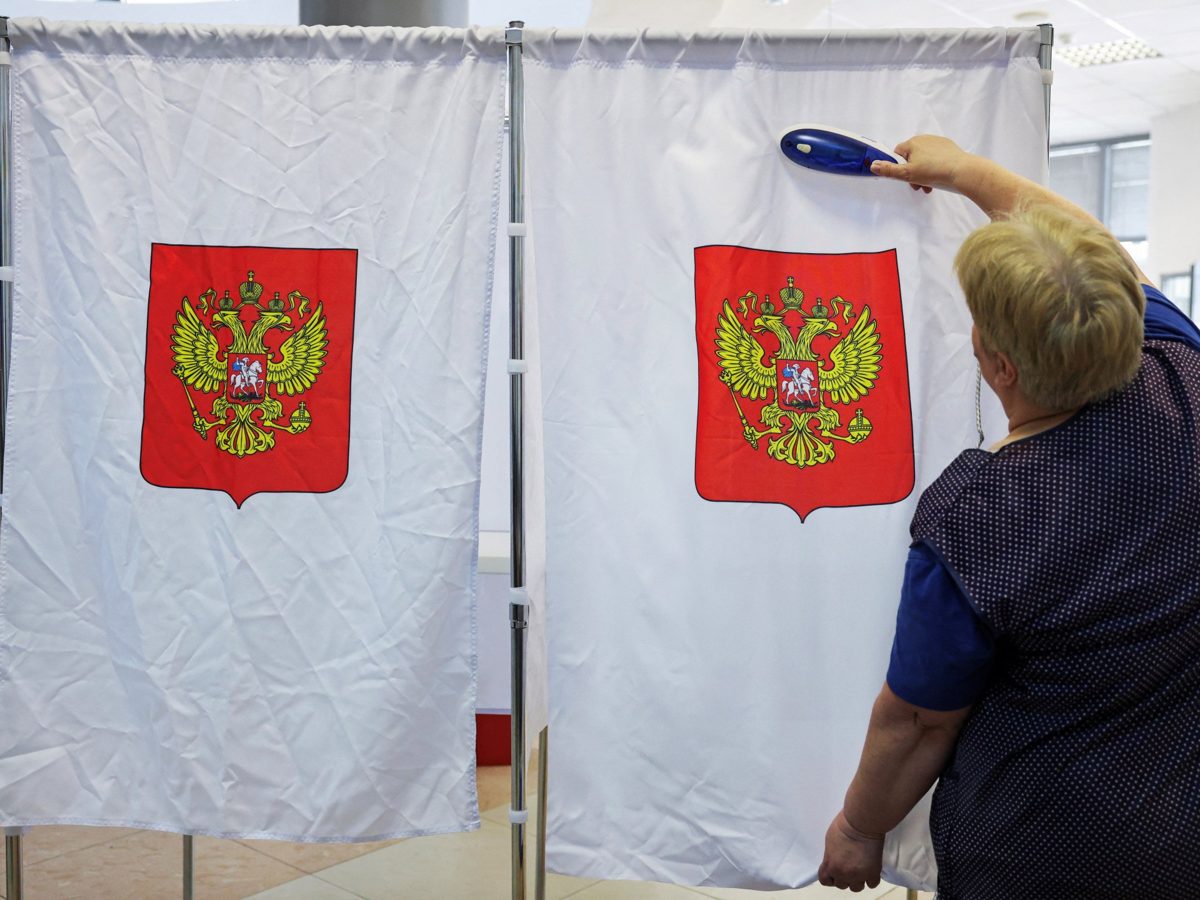
Russians began voting on Friday to elect members of the State Duma, the lower house of Russia's parliament, in an election that will run through Sunday. This marks the first parliamentary election since Russia launched its full-scale invasion of Ukraine in 2022. The vote takes place as the country faces a slowing economy and Ukrainian drone strikes on critical infrastructure far from the front lines.
The ruling United Russia party, which supports President Vladimir Putin, is widely expected to maintain its dominant position, similar to its performance in the 2021 election. While authorities present the election as an opportunity for voters to express their views, critics argue that the absence of genuine opposition means the outcome is largely predetermined.
Highlights
- Voting will occur over three days, from Friday to Sunday, involving 111 million eligible voters, including those in Russian-occupied territories of Ukraine.
- Half of the Duma's 450 seats are allocated via party lists, while the other half are decided in single-ballot races.
- United Russia, the governing party, is anticipated to secure more than two-thirds of the Duma's seats, replicating its 2021 success.
- The party's list is notably led by prominent figures such as Foreign Minister Sergey Lavrov and Moscow Mayor Sergei Sobyanin.
- The liberal Yabloko Party, the only registered political party openly opposing the war, was removed from the ballot by the Supreme Court and can now only contest single-ballot races.
Details
United Russia, formed in 2001 from a merger of pro-Kremlin parties, has consistently supported Putin and dominated parliament. The party has pledged its full backing for the war effort and Putin's objectives in what the Kremlin terms the “special military operation” in Ukraine. Its electoral list features high-profile figures like Sergey Lavrov, Russia's top diplomat for 22 years, and Sergei Sobyanin, Moscow's influential mayor.
Beyond United Russia, other “systemic opposition” parties, which generally align with the government on major policy issues, are also expected to retain their presence in the Duma. These include the Communist Party, the Liberal Democratic Party, and A Just Russia, all of whom support the war in Ukraine despite occasional criticism of specific government policies. The New People Party, established just before the 2021 election, aims to appeal to younger voters and technocrats, positioning itself as a more liberal alternative, especially after Yabloko's removal from the main ballot.
Political analyst Alexander Bratersky suggests that the race for second place is particularly noteworthy. If the Communist Party secures second place, it could signal voter dissatisfaction with economic hardships and declining living standards. Conversely, a strong third-place showing for the New People Party might indicate that anti-war voters are using them as a legitimate proxy for their views.
Why it matters
These elections are significant as they are the first parliamentary polls since Russia's full-scale invasion of Ukraine. President Putin has explicitly linked the elections to support for the war, stating at a party congress that United Russia's duty is "to do everything for victory" in Ukraine. Analysts suggest that the Kremlin may be somewhat concerned, viewing these elections as the only legal avenue for citizens to express dissent against the government. Even among Putin's core supporters, there is reported resentment towards United Russia, often perceived as a corrupt entity, underscoring the underlying tensions surrounding this electoral process.