Russia's Elections: More Than Just Political Theatre for the Kremlin
For the Kremlin, parliamentary elections serve as a crucial mechanism for political participation, feedback, and maintaining legitimacy, despite external criticism.
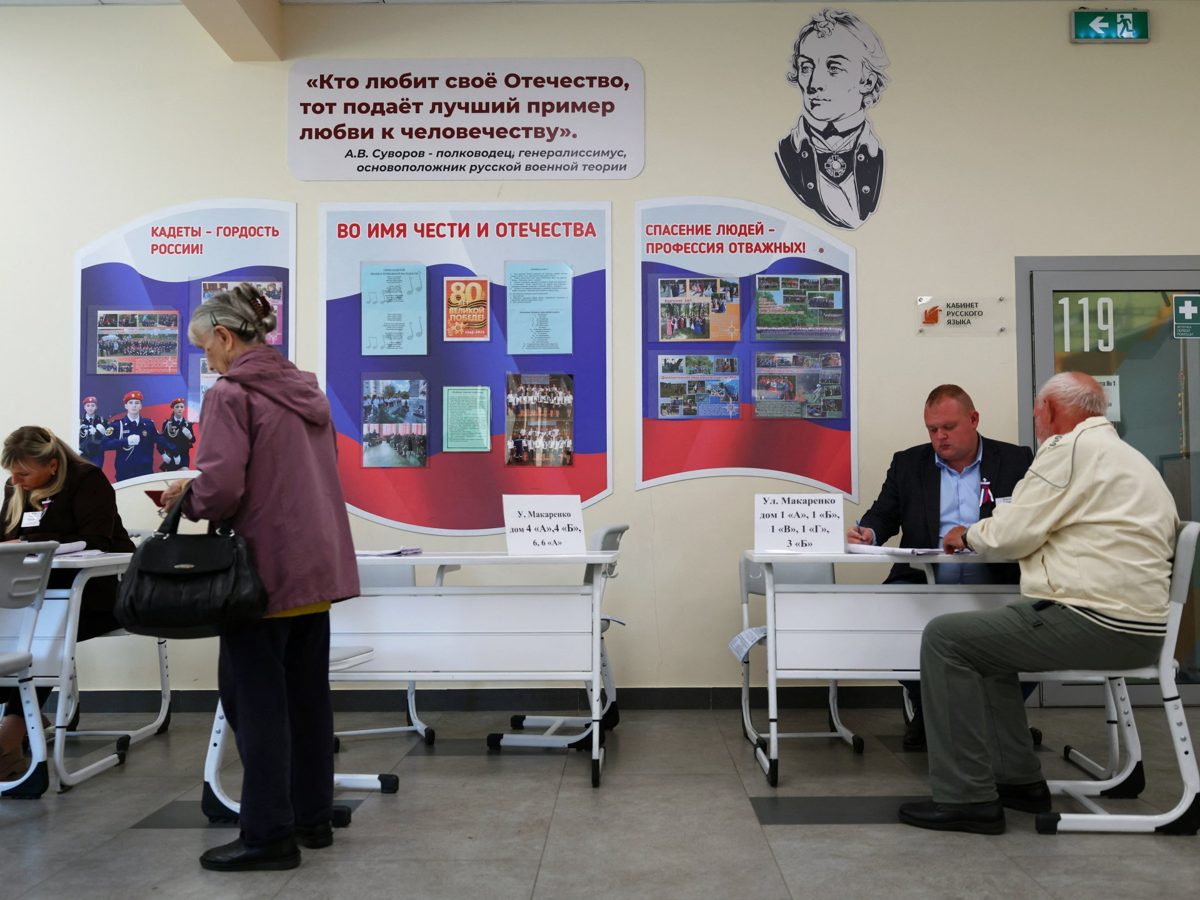
Contrary to the views of Western critics, Russia's parliamentary elections are seen by the Kremlin as far more than mere political theatre. Authorities have made consistent efforts to ensure high voter participation and a successful process under current electoral law. These elections are viewed as a vital mechanism for political engagement, feedback, and legitimacy within Russia's political landscape.
Highlights
- Russian authorities significantly strived to ensure high voter turnout in the elections.
- Payments to public sector employees and pensioners were indexed, and some tariff increases were postponed before the elections.
- The Kremlin perceives elections as a means to foster dialogue with the public and affirm its political legitimacy.
- Election results serve as a barometer for understanding public preferences and shaping future strategies.
- Significant personnel changes are anticipated within the federal government and other levels following the elections.
Details
For several months, Russia experienced heightened political activity. Leading politicians and state officials consistently reminded the electorate of the upcoming elections' importance. Additional subsidies were urgently allocated to governors of politically "problematic" regions, and payments to certain categories of public-sector employees and pensioners were hastily indexed. Unpopular decisions, such as a significant nationwide increase in housing and utility tariffs, were postponed until after the elections.
The Kremlin views these elections not merely as an external show but as an effective mechanism for maintaining dialogue between authorities and society amidst challenging geopolitical and socio-economic conditions in late 2026. High turnout is considered convincing evidence of the population's continued political activity and that Russian society has not succumbed to political apathy.
Why it matters
These elections reveal the constantly shifting balance of power among "systemic opposition" parties, reflecting the diverse interests and expectations of various social, economic, and regional groups within Russian society. Authorities will be compelled to consider these results when determining future strategic priorities. Furthermore, significant personnel changes are expected within the government following the elections, potentially paving the way for fresh ideas and innovative programs. This offers a means to address the demand for renewal while preserving the overall stability of the state's strategy and leadership during a challenging period for Russia.