Putin's Party Leads in Russian Elections: Potential Warning Signs for the Kremlin
As over 90% of votes are counted in Russia's parliamentary elections, President Vladimir Putin's United Russia Party is poised for a landslide victory, though some analyses suggest potential warning s
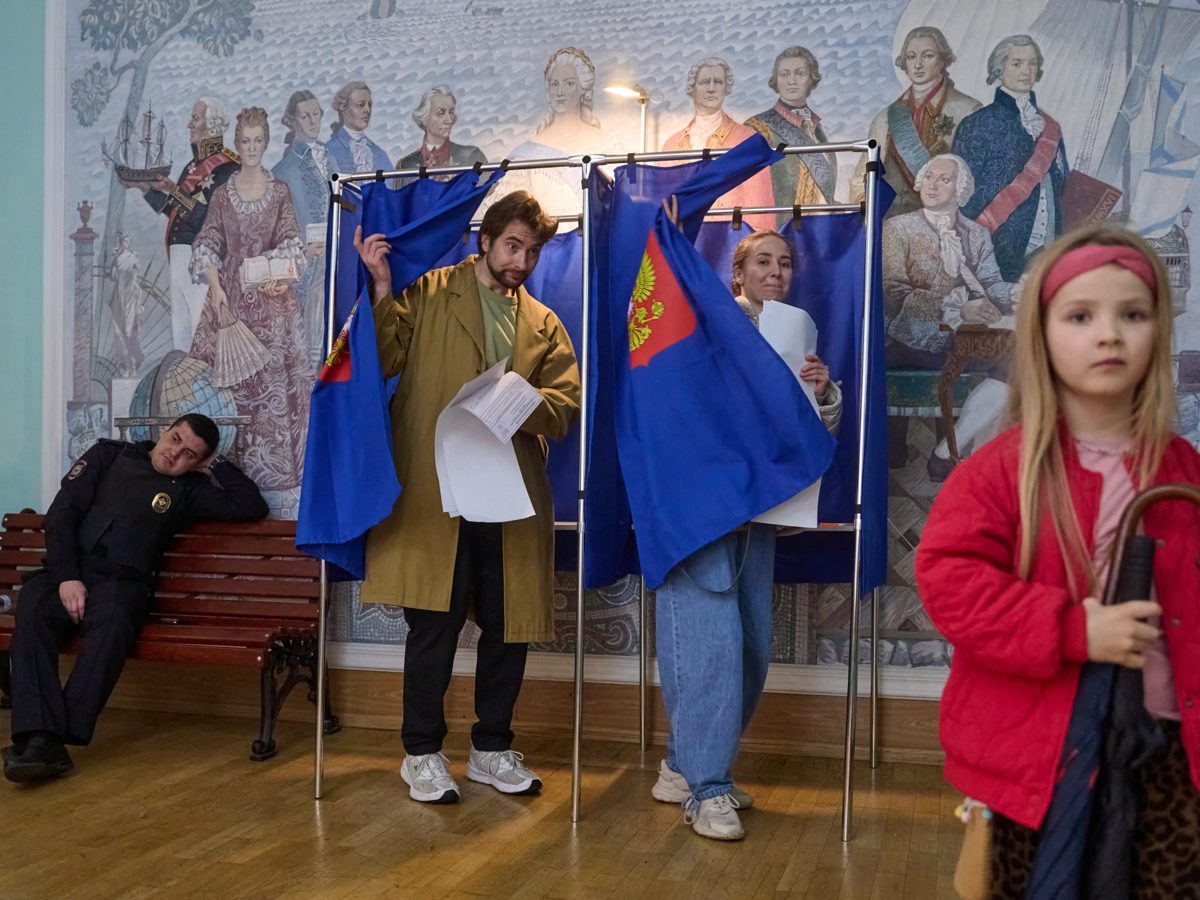
In Russia's parliamentary elections, held from Friday to Sunday to elect members of the State Duma (the lower house of parliament), President Vladimir Putin's United Russia Party is expected to secure an overwhelming victory, with over 90% of votes counted. While this outcome was widely predicted, some analysts suggest that the results may contain hidden warning signs for the Kremlin.
Highlights
- United Russia Party maintains its lead with 57.86% of the vote, set to secure 225 deputies from party lists.
- Voter turnout was approximately 57%.
- Most opposition candidates were barred from the ballot; two senior figures from the liberal Yabloko party received long prison sentences before the election for comments on the Russia-Ukraine war.
- Residents of Ukrainian regions illegally annexed by Moscow in 2014 and 2022 (Crimea, Donetsk, Luhansk, Kherson, and Zaporizhzhia) also voted; Ukraine declared the election illegal.
- On election day, alleged Ukrainian drone attacks targeted Moscow and other regions, with Russia accusing Ukraine of attempting to sabotage the election.
Details
According to data from Russia's Central Election Commission (CEC), as of Monday, 90.43% of ballots had been counted. United Russia leads with 57.86% of the vote, followed by the Communist Party (CPRF) with 13.84%, the ultranationalist Liberal Democratic Party (LDPR) with 8.9%, New People with 7.94%, and A Just Russia with 4.95%. These parties generally vote similarly to United Russia in parliament.
The Berlin-based think tank NEST suggests that votes received by the Communist Party and New People could, in many cases, amount to a silent protest against Putin and United Russia. NEST claims that the consequences of the war are increasingly felt within the country, and accumulated anxiety and frustration may translate into votes for systemic opposition parties that the Kremlin allowed to remain on the ballot.
Ukraine condemned the election, which included voters from the annexed regions, calling it illegal. Russia, in turn, accused Ukraine of attempting to sabotage the election following a wave of Ukrainian drone attacks targeting Moscow and other regions on Sunday, which TASS reported as the largest of its kind since the war began. The attacks reportedly killed three people in the Moscow region and two in the Russian-held part of Kherson, including an election official.
Why it matters
While these election results appear to solidify Putin's power, the increase in votes for systemic opposition parties could be a potential concern for the Kremlin, reflecting the domestic impact of economic hardships and the war in Ukraine. Allegations of irregularities in the election and Ukraine's non-recognition of voting in annexed territories could intensify international criticism against Russia and escalate tensions.