Student Movement in Serbia Aims to End Vucic's Rule
Early parliamentary elections in Serbia, following two years of student-led anti-corruption protests, could potentially end the long-standing rule of populist leader Aleksandar Vucic.
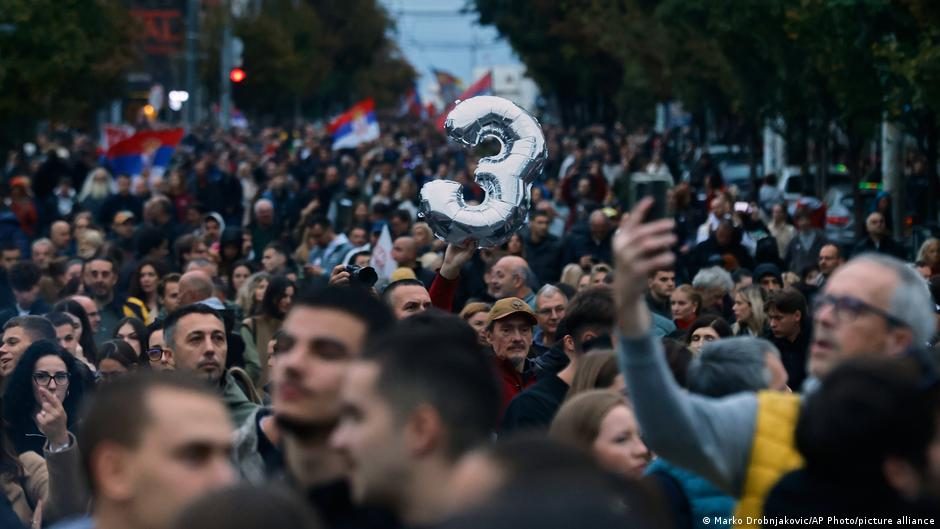
Early parliamentary elections are underway in Serbia, spurred by two years of student-led anti-corruption protests. These elections could potentially challenge the decade-long dominance of populist leader Aleksandar Vucic in Serbian politics. A significant student movement across the country seeks to bring an end to the administration of Vucic and his party, the Serbian Progressive Party (SNS).
Highlights
- Serbia is holding early parliamentary elections after two years of student-led protests.
- The elections target the long-standing rule of Aleksandar Vucic and his SNS party.
- Polls suggest a tight race between Vucic's SNS and the newly formed, youth-backed Students' List.
- Vucic stepped down as president to run for prime minister after calling snap elections last month.
- The student movement hopes to replicate a similar victory seen in Hungary.
Details
Voting commenced on Sunday amidst a mass student protest movement that has gripped Serbia for two years. This movement began with demands for accountability following the deadly collapse of a train station canopy in Novi Sad in 2024. The ensuing demonstrations have grown into Serbia's largest movement since the fall of strongman Slobodan Milosevic in 2000.
The Students' List aims to conclude the 14-year rule of Vucic's right-wing populist SNS. The movement draws inspiration from Peter Magyar's victory in Hungary in April, where he defeated Viktor Orban, an ally of Vucic. Current polls indicate a close contest between Vucic's party and the Students' List.
Why it matters
These elections represent a critical juncture for Serbia's political future. The rise of the student movement and the growing opposition to Vucic's rule could lead to significant changes in the country's long-established political landscape. The outcome of these elections may also influence the political dynamics across the Balkan region.