T. rex Body Temperature Similar to an Elephant's, Study Suggests
New research indicates that Tyrannosaurus rex maintained a body temperature of around 36°C, similar to a modern elephant, suggesting it was an active heat-generating animal.
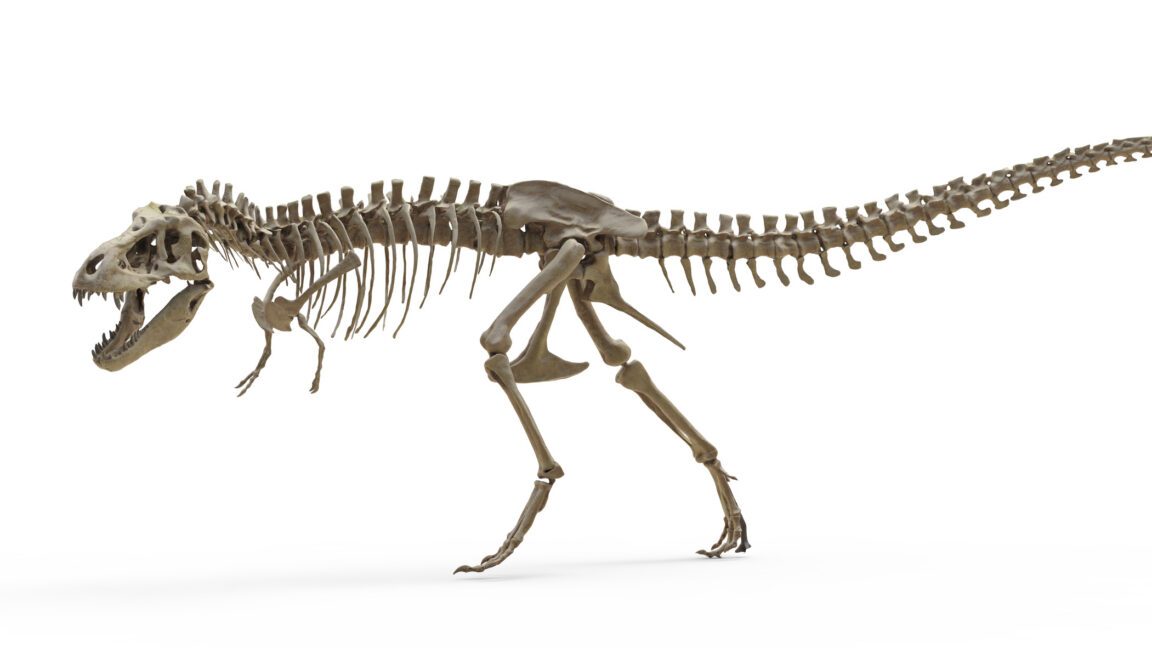
A recent scientific study suggests that the Tyrannosaurus rex maintained a body temperature of approximately 36°C, comparable to that of a modern elephant. Researchers led by Randon J. Flores and Robert A. Eagle, geochemists at the University of California, Los Angeles, arrived at this conclusion by analyzing T. rex teeth. This finding adds significant evidence to the ongoing debate about whether T. rex was an endothermic animal, capable of generating and regulating its own body heat.
Highlights
- The average body temperature of T. rex was determined to be approximately 36.3°C based on tooth analysis.
- This temperature is similar to that of modern elephants and falls within the range of large flightless birds like ostriches.
- The researchers utilized 'clumped isotope thermometry,' a technique measuring the clumping of rare isotopes in carbonate minerals within tooth enamel.
- T. rex was found to be more than 10°C warmer than its surrounding environment during its time, indicating active thermal management.
- Computer models suggest T. rex had the physiological flexibility to inhabit most of the continent.
Details
For many years, paleontologists have debated whether dinosaurs were cold-blooded (ectothermic) or warm-blooded (endothermic). Earlier attempts to measure T. rex's temperature relied on oxygen isotopes, which were problematic as they depended on the water composition in the animal's body, a factor difficult to ascertain for extinct creatures. Flores and Eagle's team overcame this challenge using 'clumped isotope thermometry,' which records the temperature at which tooth enamel formed, independent of water content.
The team analyzed three T. rex teeth from Montana's Hell Creek Formation and compared them with five teeth from crocodilians that lived in the same region. Crocodilian teeth showed an average temperature of 30.9°C, while T. rex teeth ranged from 34.7°C to 37.3°C. This difference mirrors the temperature gap observed today between large mammals and crocodilians. Furthermore, summer water temperatures recorded by freshwater mussels in the area averaged 26°C, indicating that T. rex was significantly warmer than its environment.
Why it matters
This research contributes to the growing body of evidence suggesting that T. rex did not merely stay warm due to its large size (inertial homeothermy) but actively maintained a stable body temperature using its metabolic heat. This physiological flexibility likely allowed T. rex to thrive across a wide geographical range in North America, from the humid south to the polar north. This novel method also holds significant potential for understanding the physiology of other dinosaur species and deepens our knowledge of their evolutionary thermal strategies.