Typhoon Dujuan Lashes Japan, Four Dead
Typhoon Dujuan has battered Tokyo and surrounding areas in Japan with torrential rains and strong winds, resulting in four fatalities.
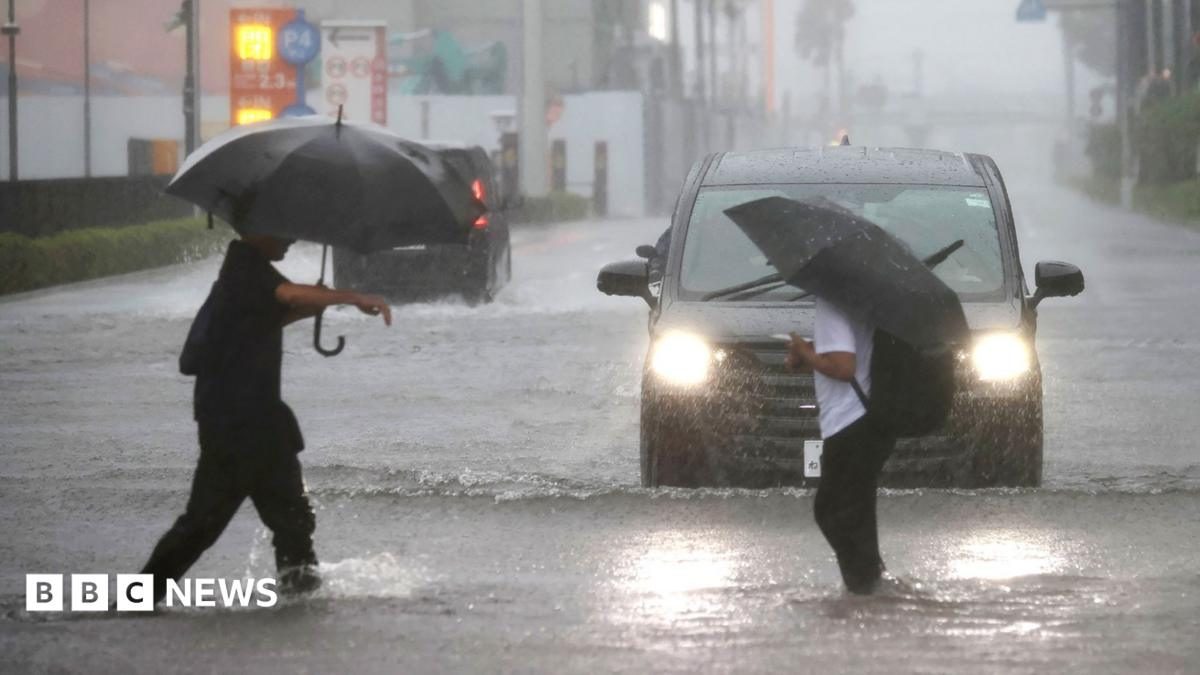
Typhoon Dujuan has swept across Japan, bringing heavy rains and destructive winds to Tokyo and surrounding prefectures. Local reports indicate that four people have died and six others are missing due to the storm. The typhoon also caused power outages for 50,000 residents and led to the cancellation of hundreds of flights.
Highlights
- Typhoon Dujuan caused fatalities and widespread damage in Tokyo and neighboring prefectures.
- Four people died, six are missing, and 50,000 lost power due to the storm.
- Japanese Prime Minister Sanae Takaichi offered condolences to those affected.
- The typhoon forced the cancellation of major events, including the Rock in Japan music festival and Tokyo Game Show.
- The intensity of the typhoon is linked to the "super El Niño" phenomenon, which warms oceans and fuels storm formation.
Details
At its peak on Monday, Typhoon Dujuan prompted authorities to issue an "imminent threat to life" warning, urging 1.9 million people to seek shelter. Fatalities were reported from landslides in Kanagawa and Chiba prefectures. According to public broadcaster NHK, a woman in her 60s died in Kanagawa after her house was swept away by a landslide, while a man in his 50s in Chiba died after being trapped while clearing debris. The typhoon sustained winds of 130 km/h (80.8 mph) and gusts of 194 km/h (120.5 mph).
Japanese Prime Minister Sanae Takaichi extended her condolences via social media to those who lost their lives, confirming her scheduled trip to the United States would proceed. She stated, "With a sense of urgency, I instructed Chief Cabinet Secretary Takehara and Minister Hosono to respond with utmost preparedness."
Why it matters
Typhoon Dujuan is Japan's 25th typhoon of the year and the latest in a series of intense storms in the Pacific. Scientists suggest that natural weather phenomena like "super El Niño" and climate change contribute to the increased intensity of typhoons. Warmer ocean waters provide more energy for storms, leading to higher wind speeds, while a warmer atmosphere can hold more moisture, resulting in heavier rainfall. This trend could make regions like Japan more vulnerable to destructive storms in the future.