Trump Concludes Midterm Campaign with Rallies as Democratic Divisions Emerge in Michigan
President Trump wrapped up his midterm campaign with rallies in Iowa and Kansas, while a split within Democrats in Michigan threatens their Senate aspirations.
Highlights
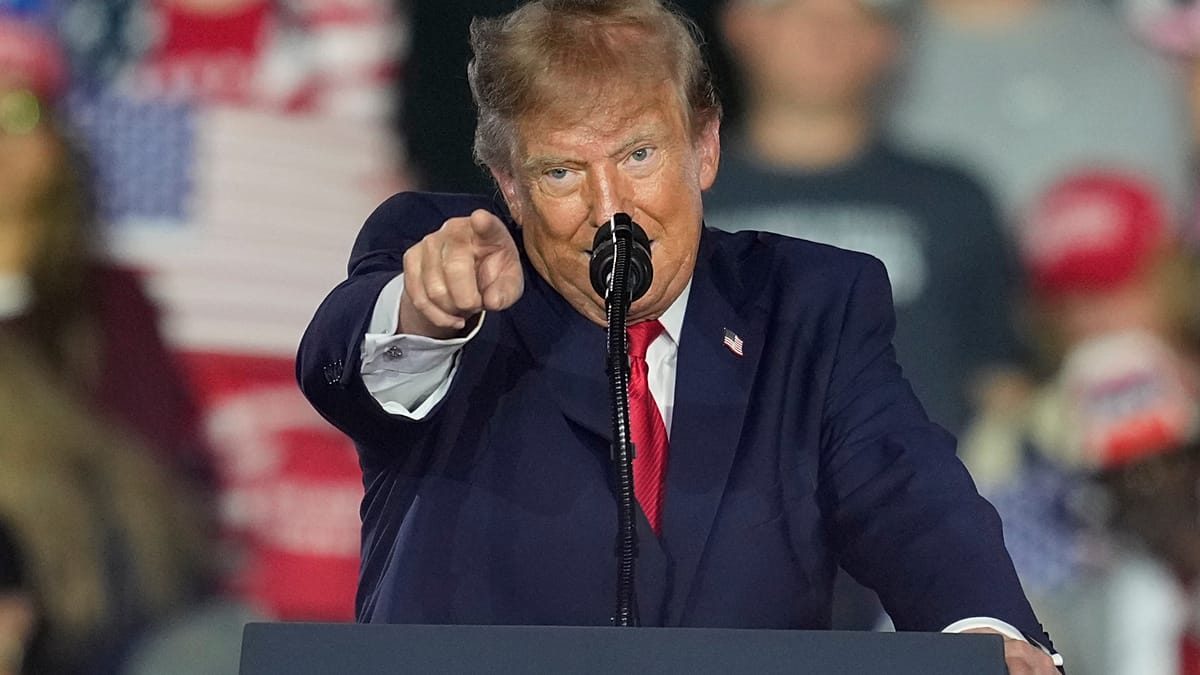
- President Trump concluded his midterm campaign with rallies in Dubuque, Iowa, and Salina, Kansas.
- During an almost two-hour speech in Iowa, Trump projected widespread Republican victories.
- In Michigan, Democratic Congresswoman Haley Stevens publicly endorsed Republican Mike Rogers over her party's nominee, creating internal party friction.
- Trump commended Stevens' endorsement and suggested she consider joining the Republican Party.
- Over 54 million votes have already been cast, with these elections widely seen as a referendum on Trump's second term.
Details
President Trump's final campaign stops emphasized his "America First" agenda, particularly in Iowa where he asserted Republicans were poised for significant wins. In Kansas, his arrival via Air Force One over an excited crowd preceded an outdoor event where he delivered another lengthy address, lasting approximately 90 minutes. This marked the culmination of a robust campaign schedule for the president, who has held more than two dozen rallies across 19 states since early October.
The Democratic Party in Michigan experienced internal discord as Congresswoman Haley Stevens, having lost the Democratic Senate primary to progressive candidate Abdul El-Sayed, announced her support for Republican Mike Rogers. Stevens cited a lack of welcome in El-Sayed's campaign as her reason for backing Rogers. President Trump lauded Stevens' decision, while continuing his attacks on El-Sayed, employing Islamophobic language. El-Sayed, who has gained national prominence, has voiced strong opinions regarding the United States' partnership with Israel and advocates for halting American weapon sales to that nation.
Why it matters
These midterm elections will determine the composition of all 435 seats in the House of Representatives and 35 seats in the Senate. Current polling data suggests that Democrats are well-positioned to regain control of the House and also have a reasonable prospect of securing a Senate majority. A Democratic victory in the House would grant them authority over the federal budget, the ability to obstruct legislation, and increased power to investigate the Trump administration, potentially significantly influencing the president's policy agenda for the remainder of his term.