Trump Rejects US-China AI Cooperation, Calls Concerns 'Hoaxes'
US President Donald Trump has dismissed concerns over artificial intelligence (AI) as 'hoaxes' and rejected cooperation with China on the technology, stating the US aims to maintain its lead.
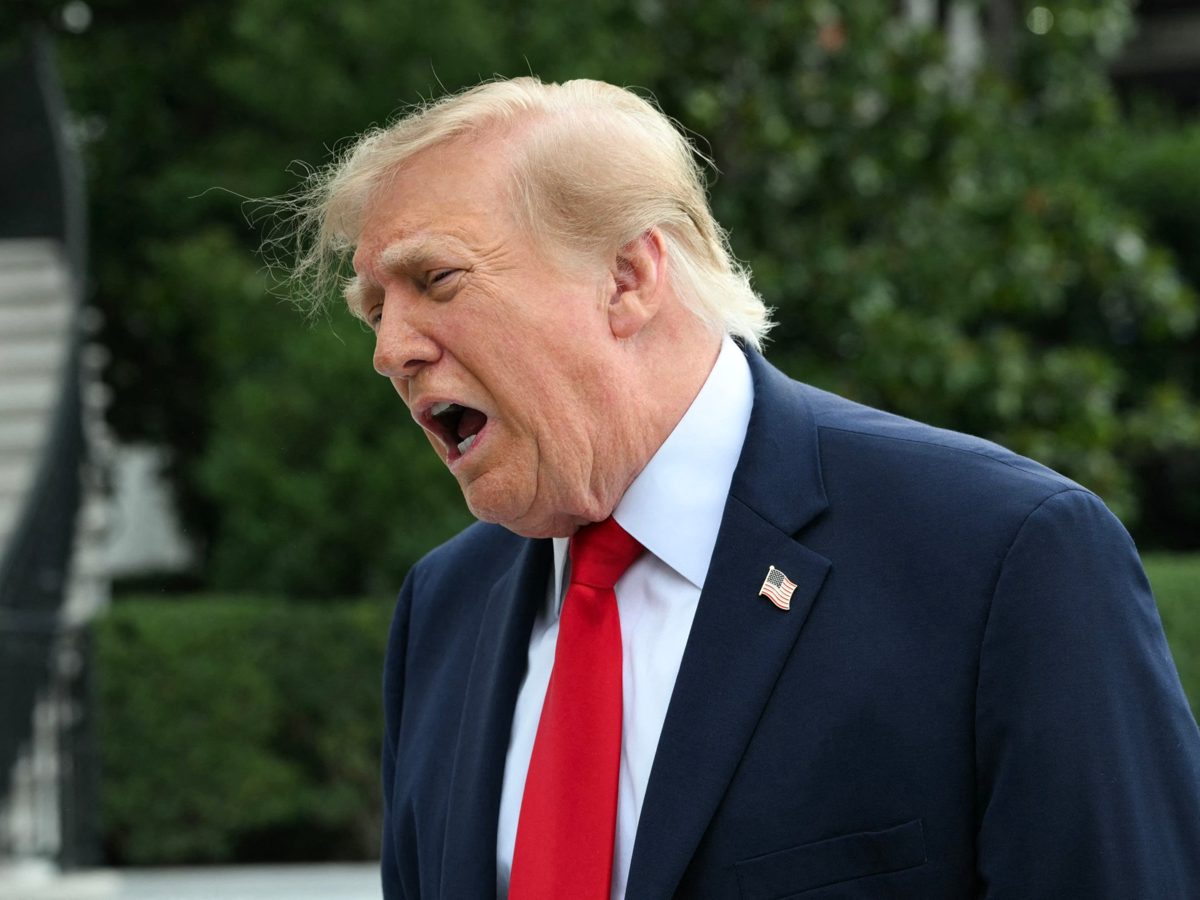
US President Donald Trump has rejected growing calls for regulation and safety concerns surrounding the development of artificial intelligence (AI) technology. Trump likened these fears to other issues he has previously labeled as 'hoaxes,' including climate change and the Russia investigation. The President emphasized that the US would not slow its AI progress and intends to maintain its lead over China.
Highlights
- President Trump dismissed AI concerns as 'hoaxes' and rejected calls for regulation.
- He stated the US would not cooperate with China on AI development, citing US leadership in the field.
- Trump indicated his preference for renaming AI as 'super intelligence' and claimed Chinese President Xi Jinping 'respected' the change.
- The UN Secretary-General urged leaders to enact AI safeguards, warning of global risks from unchecked development.
- The US and China reportedly agreed to establish a bilateral communication channel for AI incidents, though Beijing has not yet commented.
Details
Speaking to reporters as he departed the White House, President Trump stated that the US "is not going to be putting on brakes" for AI. This declaration came despite widespread concerns among US lawmakers and CEOs of major tech firms about the technology's potential to pose risks to humanity and the need to slow its pace. Trump compared these fears to other issues he has previously claimed are "hoaxes," such as "global warming" and the "Russia, Russia, Russia hoax."
Following a summit with Chinese President Xi Jinping, Trump indicated he would rather not integrate with China on AI, as the US is "leading by a lot." He added, "When you're leading, you don't open it up to each other." In contrast, UN Secretary-General Antonio Guterres urged leaders to implement guardrails on AI, warning that unchecked development "without accountability" could endanger the world.
As criticism mounted in Washington and globally over the missed opportunity for an AI agreement, the White House announced that the US and China had agreed to establish a "bilateral communication channel" for AI incidents. An unidentified Chinese Ministry of Foreign Affairs spokesperson stated that AI technologies are continuously developing, and all parties can strengthen exchanges, discuss in-depth, and seek consensus in light of the latest situation. Xi Jinping, for his part, has taken a more measured tone, emphasizing that AI must develop under human control.
Why it matters
President Trump's stance on artificial intelligence could have significant implications for global technology policies and international cooperation. The US's desire to maintain its AI leadership and its rejection of cooperation with China could further intensify the rivalry between the two superpowers in this critical domain. With growing international concerns regarding the ethical and safety dimensions of AI, these developments will be crucial in shaping future technology regulations and international relations.