Cape Verde Elections Begin with First Female Presidential Candidate
In the West African island nation of Cape Verde, elections have commenced with incumbent President Jose Maria Neves seeking a second term, while Joana Rosa makes history as the first female presidenti
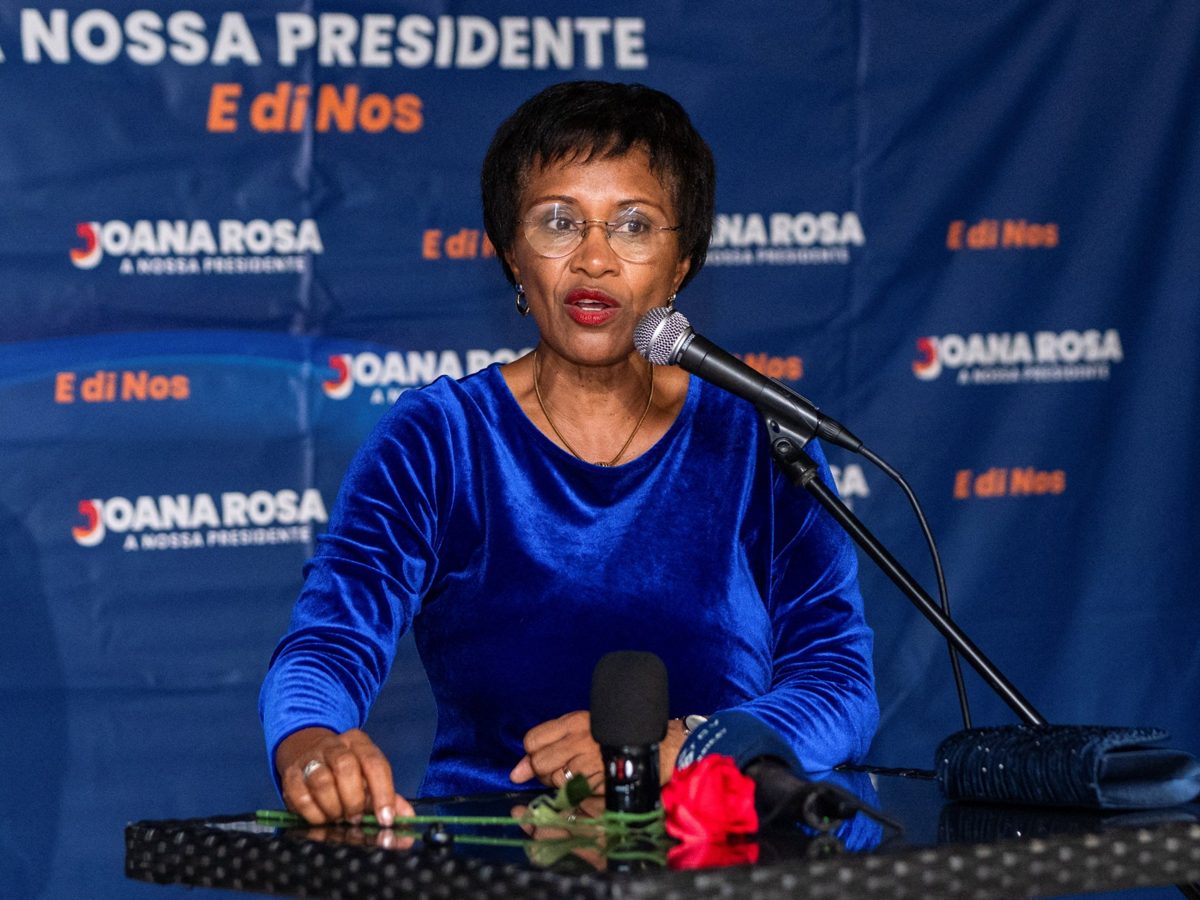
Presidential elections have begun in Cape Verde, a West African island nation known for its stability. Incumbent President Jose Maria Neves is running for a second term, facing off against Joana Rosa, the first woman to run for president since the country's independence. The elections are largely centered on addressing the persistent issue of emigration.
Highlights
- Over 300,000 eligible voters in Cape Verde are casting their ballots to choose among six presidential candidates.
- President Jose Maria Neves, a member of the African Party for the Independence of Cape Verde (PAICV), is considered the favorite in the race.
- Opposition candidate and former justice minister Joana Rosa is making history as the first woman to run for president since the nation gained independence in 1975.
- A key focus of the election is addressing the significant emigration problem, largely driven by a lack of job opportunities for young people.
- To win outright, a candidate must secure more than 50 percent of the vote; otherwise, the top two candidates will proceed to a run-off election on November 29.
Details
President Jose Maria Neves previously served as prime minister for 15 years before becoming president in 2021. His party secured 37 out of 72 parliamentary seats in May, enabling Neves to appoint Francisco Carvalho, then mayor of the capital Praia, as prime minister. Neves has pledged to organize a youth summit to tackle emigration if he is re-elected for a second term.
Joana Rosa is a candidate from the Movement for Democracy party, which governed for 10 years before the May parliamentary elections. Rosa has called for a government that empowers young people to build their futures at home and prevents the ongoing exodus of young Cape Verdeans abroad. However, according to Roselma Evora, a professor of political science at the University of Cabo Verde, many voters feel disconnected from the political class, believing they do not understand their daily struggles.
Cape Verde operates under a hybrid parliamentary-presidential system, where the president holds veto power and a mediating role. The country has long grappled with emigration due to a scarcity of jobs. More Cape Verdeans live in the diaspora than the 500,000 residing on the islands, with significant communities in Portugal and the United States. Approximately 77,000 diaspora Cape Verdeans are registered to vote at embassies abroad.
Why it matters
These elections represent a critical juncture for Cape Verde, determining its future direction. The historic candidacy of a woman for president, coupled with the central role of emigration – one of the country's most pressing issues – makes the outcome particularly significant. The election results could lead to substantial changes in the nation's economic and social policies.