EU Moves to Loosen Pesticide Rules Amid Expert Warnings
The European Union plans to relax pesticide use regulations to help farmers adopt greener options, but health and environmental experts are sounding the alarm about significant risks.
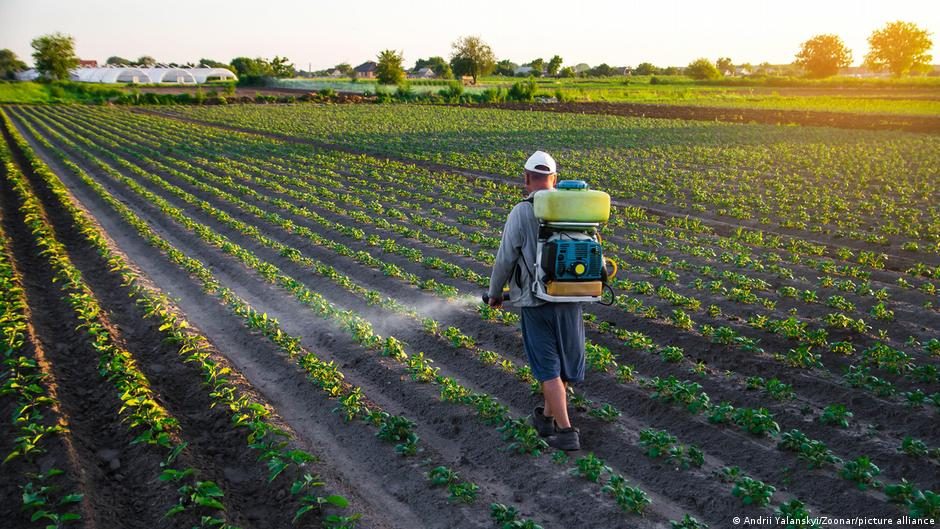
The European Commission is proposing sweeping changes to agricultural and food safety legislation, aiming to ease rules governing pesticide use. The move is intended to make it easier for farmers to adopt more environmentally friendly options. However, health and environmental experts express deep concerns, warning that these changes could have serious negative impacts on human health and ecosystems.
Highlights
- The European Commission proposes simplifying pesticide approval processes and making indefinite approvals the default.
- Under current rules, primary pesticide components are approved for a maximum of 15 years, but the new proposal could extend this or make approvals indefinite.
- Experts highlight the risk of indefinite approval for controversial substances like glyphosate, which has been linked to cancer.
- While agricultural associations argue that complex approval procedures jeopardize food security, environmentalists and medical experts claim that potential impacts on human health and the environment are being downplayed.
- UN human rights experts have called for a full review into whether the proposed changes violate the EU's obligations under international human rights law.
Details
The European Commission states its goal is to make the regulatory system "more efficient and responsive." It claims to be responding to farmers' complaints and argues that the current system has become unsustainable due to "chronic delays" and "bottlenecks" in approving new, more sustainable products. Figures like Herbert Dorfmann from the European Parliament point out that years-long delays in approving new and eco-friendly pesticides force farmers to rely on older substances.
Conversely, over 500 experts and UN human rights experts contend that the proposed changes downplay potential implications for human health and the environment. They emphasize that pesticides can contaminate water, degrade soils, lead to biodiversity loss, and poison other animals higher up the food chain. In humans, exposure has been linked to various cancers, respiratory diseases, neurological disorders, and developmental delays. A survey conducted between 2014 and 2021 found that 84% of urine samples from children and adults in five European countries contained residues from two or more pesticides.
Why it matters
This debate highlights the delicate balance in Europe between food production, farmers' competitiveness, and the protection of public health and the environment. While loosening pesticide use rules might increase agricultural productivity in the short term, it carries the potential for irreversible damage to ecosystems and human health in the long run. Experts stress the critical importance of continuously reassessing pesticide safety in light of new scientific findings.