US Justice Department Investigates TV Networks Over Trump Pool Coverage Suspension
The US Justice Department is investigating whether several TV networks violated federal competition laws by suspending their pool coverage of President Donald Trump.
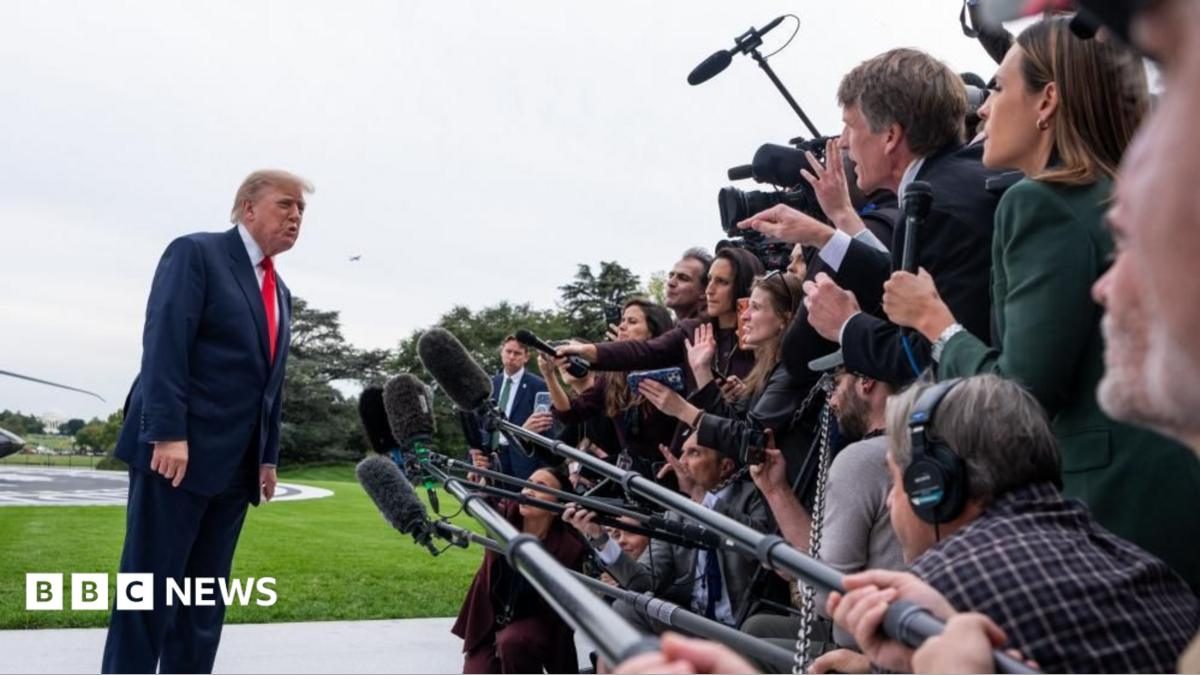
The U.S. Justice Department (DoJ) has announced it is investigating several television networks for potentially violating federal competition laws. This inquiry comes after these networks temporarily suspended their pool coverage of President Donald Trump last month, following the White House's decision to revoke the credentials of reporters from CNN, MS Now, and Politico.
Highlights
- The DoJ is investigating five major TV networks: ABC, CBS, CNN, NBC, and Fox News.
- The networks paused their presidential coverage in response to the White House blocking access for CNN, MS Now, and Politico reporters.
- The investigation aims to determine if this action violates the Sherman Act, which prohibits monopolistic business practices.
- The White House had accused the organizations of publishing 'fiction or lies' about its team.
- Access for the blocked outlets was later reinstated following a judge's ruling.
Details
Last month, several major television networks, including ABC, CBS, CNN, NBC, and Fox News, paused their shared presidential coverage for several days. This move was a direct response to the Trump administration's withdrawal of credentials for reporters from CNN, MS Now, and Politico. The pool system typically involves a small group of journalists sharing their material with the broader media.
The Justice Department has requested communications related to the pool from these networks, stating that the boycott could violate the Sherman Act, a law designed to prevent companies from engaging in monopolistic practices. A DoJ spokesperson clarified that the Antitrust Division is simply investigating to determine if antitrust laws were violated. The White House had initially blocked access to the three outlets, accusing them of reporting 'fiction or lies.' However, their access was later restored after a judge ruled in favor of the outlets, which had argued that the restricted access infringed upon their First Amendment rights.
Why it matters
This investigation highlights the potential tension between press freedom and competition law in the U.S., as well as the government's stance towards the media. The collective protest by media organizations against a government decision, and its subsequent examination under antitrust laws, could have significant implications for future media-government relations and joint media actions. Furthermore, the White House's move to take control of the press pool and impose similar restrictions on outlets like the Associated Press raises ongoing concerns about press freedom.