US Troops Withdraw from Iraq: Baghdad Declares Sovereignty Amid Lingering Militia Concerns
The United States has completed its military withdrawal from Iraq after a 12-year mission against ISIS, with Baghdad declaring full sovereignty, while the disarmament of militias remains a significant
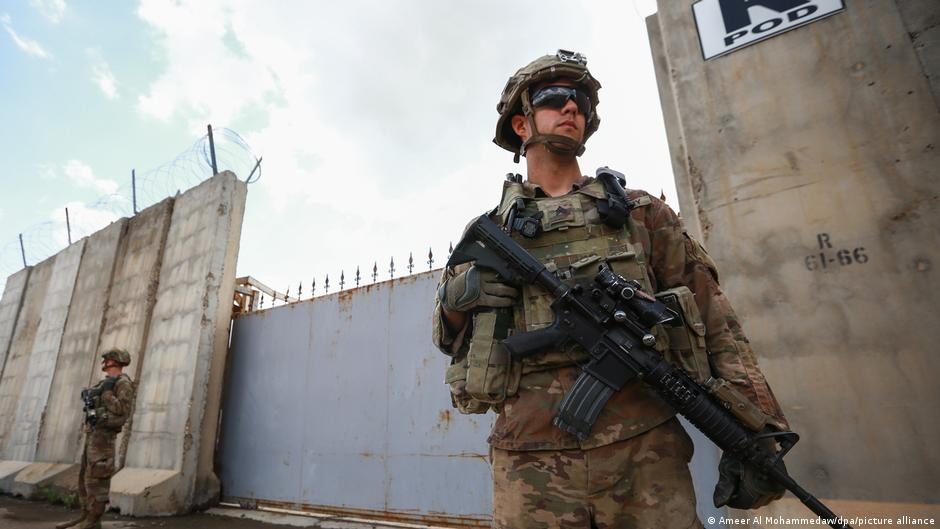
The United States has concluded its 12-year "Operation Inherent Resolve" mission against ISIS, withdrawing its military forces from Iraq. Iraqi Prime Minister Ali al-Zaidi declared September 30, 2026, as the start of a new era, free from foreign military presence and marking the country's full sovereignty. This milestone will be celebrated as "Independence Day" with four official public holidays.
Highlights
- The US initially withdrew from Iraq in 2011 after the 2003 invasion, only to return in 2014 to combat ISIS. This final withdrawal concludes over two decades of US military involvement in the country.
- Baghdad initially tied the US military mission's end to the disarmament of militias, but this deadline has been extended to June 30, 2027.
- Several powerful armed groups, particularly Iran-backed militias like Kata'ib Hezbollah, show no signs of complying with the disarmament plan.
- The US withdrawal includes the removal of air defense systems from Erbil, the capital of Iraq's Kurdistan Region, raising concerns about the region's vulnerability to attacks from Iran.
- US-Iraqi relations are expected to shift from a security focus to other areas, including economic cooperation.
Details
With the US withdrawal, all remaining 2,500 American troops have left Iraqi territory. This decision follows a 2024 agreement between Baghdad and Washington. Iraqi Prime Minister Ali al-Zaidi expressed concern that the US might perceive Iraq and its Iran-backed non-state militias as too close to Iran, especially given the ongoing conflict between the US, Israel, and Iran.
The disarmament of militias is a critical issue for Iraq's internal security. Prime Minister al-Zaidi announced a revised plan, including a 90-day period where armed groups would refrain from attacks in exchange for assurances that US forces would not target them. However, experts like Renad Mansour from Chatham House suggest that implementing this plan will be challenging due to Iraq's fragmented political landscape. He noted that many political movements are associated with armed organizations, making a rapid revolution in the security sector unlikely.
Kurdish Prime Minister Masrour Barzani has called on Baghdad for protection against missile and drone attacks from Iran following the US troop departure. Since the start of the US-Israeli conflict with Iran in February, attacks by Iran-backed Iraqi groups on US-linked targets in Erbil have increased, as have Iranian attacks on infrastructure belonging to Iranian Kurdish opposition groups in Iraq.
Why it matters
The US withdrawal, while affirming Iraq's sovereignty, presents significant challenges regarding militia control and regional security dynamics. Vulnerable ethnic and religious minorities, such as Christians, Yazidis, and Kurdish communities, may become more exposed without the buffer provided by a foreign military presence. This situation could have critical implications for Iraq's future stability and regional balances.