US Extends Visa Ban on Palestinian Officials, Preventing Abbas from Attending UN General Assembly
The United States Department of State has extended visa sanctions on Palestinian Authority and Palestine Liberation Organization officials, barring President Mahmoud Abbas from attending the UN Genera
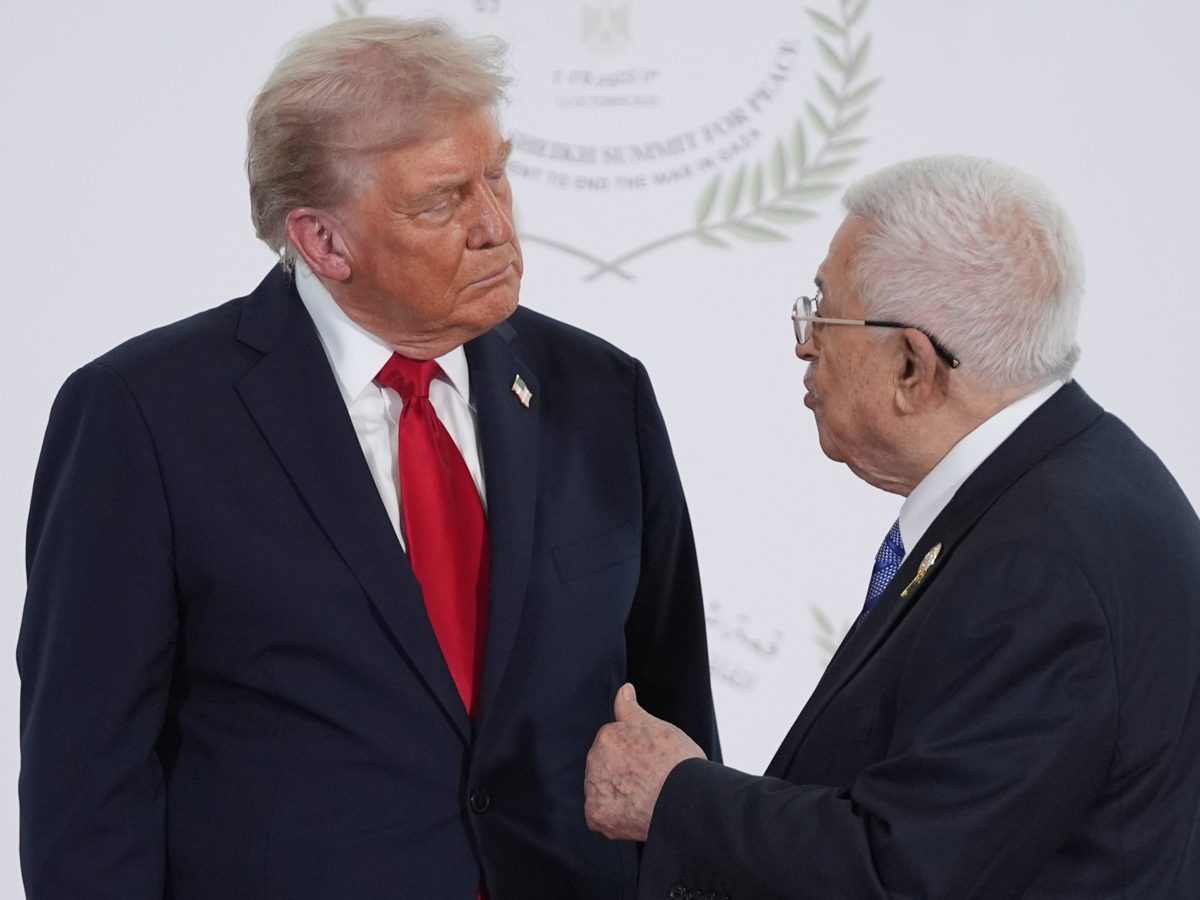
The United States Department of State has announced an extension of visa sanctions against officials of the Palestinian Authority (PA) and the Palestine Liberation Organization (PLO). This decision will prevent Palestinian President Mahmoud Abbas from traveling to New York to address the United Nations General Assembly for the second year in a row.
The State Department cited the PA's failure to implement reforms, contrary to their commitments to the U.S., and their ongoing activities that undermine peace prospects as reasons for the extended sanctions. These measures deny visas to PLO members and PA officials.
Highlights
- The U.S. has extended visa sanctions on Palestinian officials for the second consecutive year.
- This decision prevents Palestinian President Mahmoud Abbas from attending the UN General Assembly.
- The U.S. accuses the PA of failing to reform and undermining peace efforts.
- Sanctions stem from the PA's pursuit of international recognition and taking disputes with Israel to international courts.
- No equivalent U.S. travel restrictions are in place for Israeli officials.
Details
The U.S. State Department specifically accused the PA of violating U.S. law by seeking international recognition of Palestinian statehood outside of direct negotiations and by referring its dispute with Israel to international courts. Furthermore, the State Department mentioned payments made to individuals labeled by the U.S. and Israel as convicted attackers and their families. Despite these restrictions, the PA mission to the UN will maintain a waiver under the UN Headquarters Agreement, allowing its regular staff to continue their work even as individual officials are barred from entering the U.S.
President Abbas's speech this year was anticipated to advocate for international recognition of Palestinian statehood and renewed momentum for a two-state solution, especially following recent recognitions by the United Kingdom, France, Canada, and other Western governments. He was also expected to highlight the humanitarian crisis in Gaza and the rapid expansion of illegal Israeli settlements and settler violence in the occupied West Bank. Notably, Israeli officials do not face similar U.S. travel restrictions, even with an International Criminal Court arrest warrant issued against Israeli Prime Minister Benjamin Netanyahu for alleged war crimes in Gaza.
Why it matters
This visa ban highlights the U.S. stance on Palestinian issues and its approach to the regional peace process. The decision has drawn criticism from Palestinian officials and UN human rights experts, who argue that it breaches the U.S.'s obligation to allow individuals invited by the UN to travel to its New York headquarters. They also contend that singling out Palestinian representatives while protecting Israeli leaders undermines Washington's stated commitment to a negotiated peace. This situation directly impacts Palestine's efforts to gain international recognition and escalates diplomatic tensions.