US Military Reports Aiding Export of 1.5 Billion Barrels of Oil from Gulf States
US Central Command (CENTCOM) announced its support for Gulf states in exporting over 1.5 billion barrels of oil through the Strait of Hormuz since June.
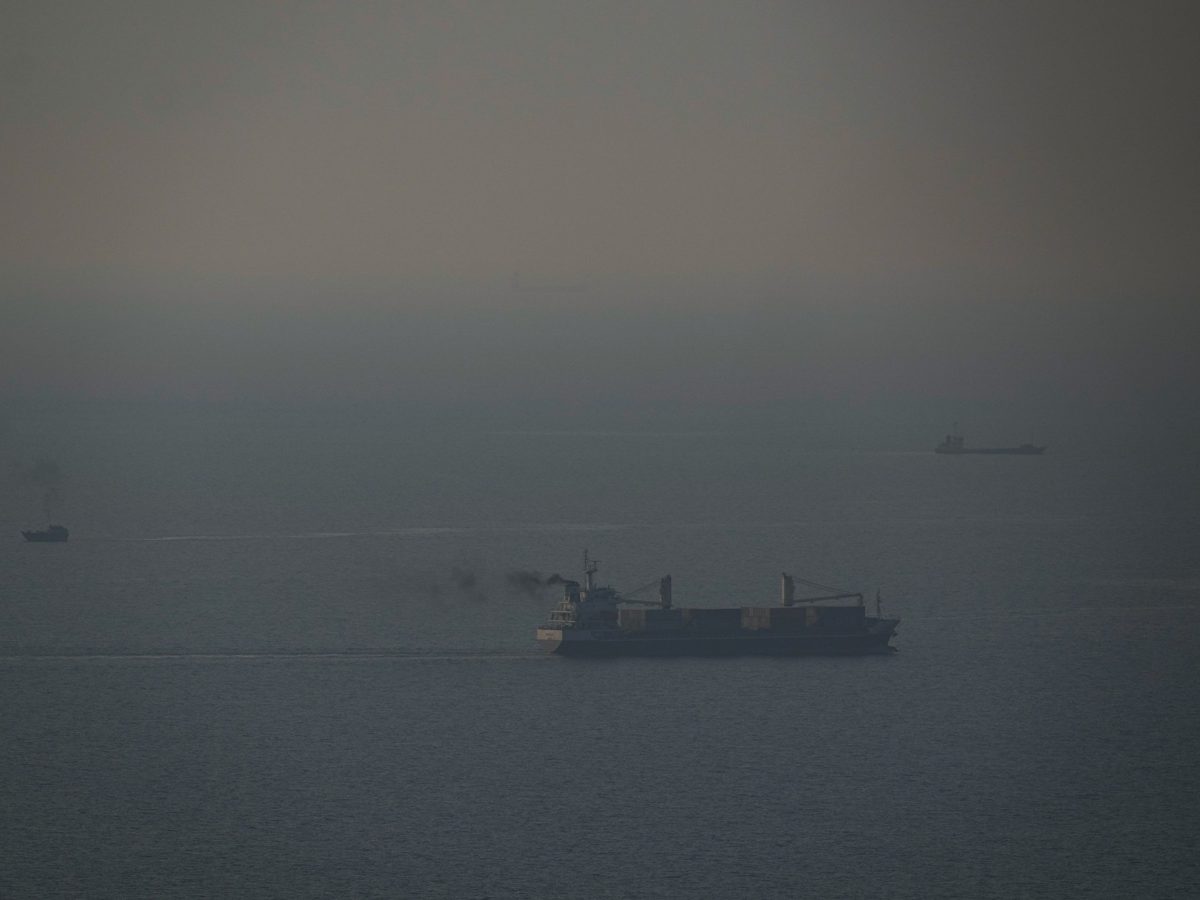
The US Central Command (CENTCOM) announced that it has supported Gulf countries in exporting over 1.5 billion barrels of oil through the Strait of Hormuz since June. Despite Iran's efforts to assert control over the critical waterway, CENTCOM stated that more than 3,000 commercial vessels have transited the strait safely with its assistance.
CENTCOM Commander Admiral Brad Cooper made these figures public during a visit to the region, emphasizing that the United States and its regional partners maintain control over the international waterway. The command highlighted that over 95 percent of ships navigating the channel have done so safely in recent months.
Highlights
- US Central Command supported the export of over 1.5 billion barrels of oil by Gulf countries since June.
- More than 3,000 commercial vessels transited the Strait of Hormuz safely with US military assistance.
- CENTCOM noted that over 95 percent of ships navigated the strait safely despite Iranian threats.
- Admiral Brad Cooper reaffirmed the US commitment to freedom of navigation in the Strait of Hormuz.
Details
US Central Command reported on Sunday that it has provided support for over 3,000 commercial vessels transiting the Strait of Hormuz over the past six months. This assistance has enabled Gulf countries to export more than 1.5 billion barrels of oil to international markets. During his visit, CENTCOM Commander Admiral Brad Cooper underscored the critical role of mine clearance operations in ensuring navigation safety in the strait.
Cooper stated, "We continue to stand shoulder to shoulder with our Gulf partners and the shipping industry. This visit underscores our strong commitment to continued freedom of navigation through the Strait of Hormuz." According to market intelligence firm Kpler, crude oil flows from the region reached 16.5 million barrels per day in September, returning to pre-conflict levels seen before the US and Israel's operations against Iran.
Why it matters
The Strait of Hormuz is a vital chokepoint for global oil trade. The US military presence and support in this region are crucial for ensuring the security of the global energy supply. These announcements highlight efforts to maintain the continuity of international maritime trade and the stability of oil flows despite regional tensions. While oil prices remain higher than pre-conflict levels, the continued commercial flow through the strait is a positive signal for markets.