US Sees First Congenital Measles Cases in Decades, Pennsylvania Issues Alert
Pennsylvania has reported congenital measles cases, a condition not seen in the US for decades, linked to a surge in measles during pregnancy.
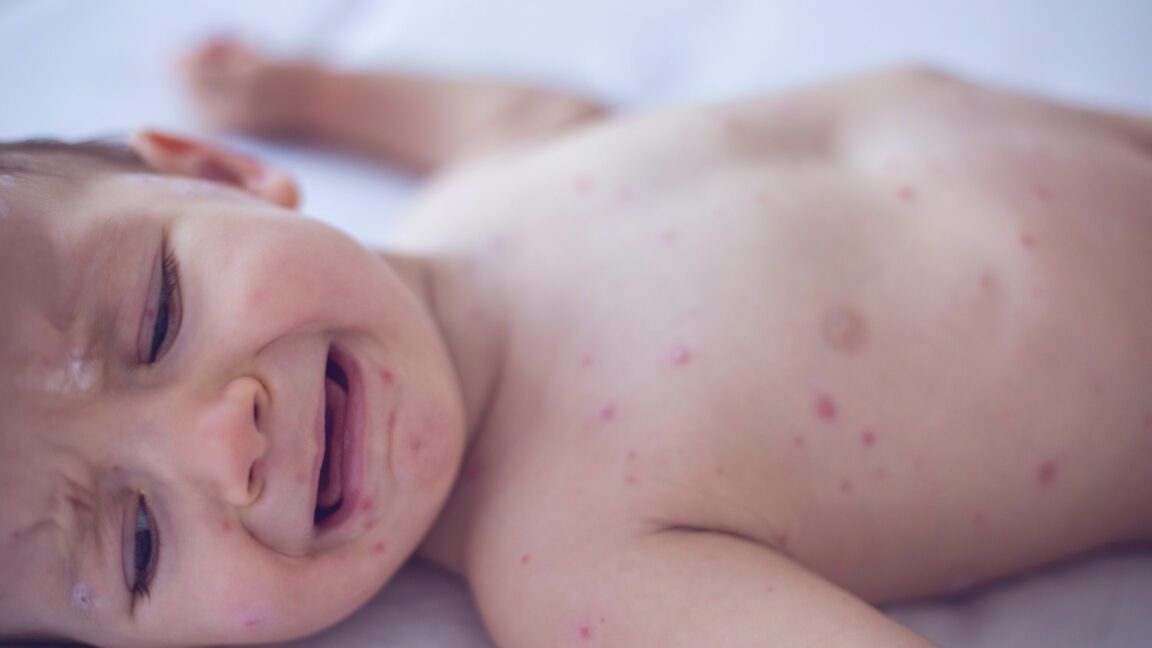
The Pennsylvania Department of Health has issued a health alert due to a rise in measles cases during pregnancy and, consequently, congenital measles. This marks the first time in decades that congenital measles cases have been observed in the U.S., stemming from an ongoing measles outbreak across the state.
The health department provided detailed clinical guidance for managing measles exposures in pregnant individuals and cases in newborns. The resurgence is attributed to declining vaccination rates, which allow the highly infectious virus to spread rapidly within under-vaccinated communities.
Highlights
- Pennsylvania has reported 1,286 measles cases across 42 counties this year.
- Of these, 247 individuals required hospitalization, and six deaths have been reported.
- 53 cases of measles during pregnancy have been identified.
- At least one congenital measles case resulted in the death of a newborn baby.
- Congenital measles can lead to severe symptoms and long-term neurological complications in infants.
Details
Measles during pregnancy increases risks for the mother, including hospitalization, pneumonia, and death, as well as risks for the baby, such as miscarriage, stillbirth, and preterm labor. The measles, mumps, and rubella (MMR) vaccine is not recommended during pregnancy as it is a live vaccine. Pregnant individuals exposed to the virus are advised to receive intravenous immunoglobulin (IVIG) within six days to help protect against infection.
The measles virus can transmit from mother to fetus in utero or during/after birth, leading to congenital cases. Symptoms vary widely; some infants remain asymptomatic, while others develop severe, multi-system disease and may die. Common symptoms include fever, jaundice, and sometimes a delayed or atypical measles rash due to an underdeveloped immune system.
Even survivors of acute congenital measles face long-term complications. These include "immune amnesia," where the virus destroys immune cells, and subacute sclerosing panencephalitis (SSPE), a progressive, fatal neurological disorder that can manifest years after the initial infection. Health officials emphasize the need for long-term clinical follow-up and monitoring for these neurological and immunological issues in affected infants.
Why it matters
These cases highlight the severe public health consequences of declining vaccination rates across the U.S. The re-emergence of infectious diseases like measles, which were once largely controlled, poses significant risks, particularly to vulnerable populations such as pregnant individuals and newborns. This situation underscores the critical importance of vaccination awareness and uptake within communities.