US Army Major's Execution to be Livestreamed, Pentagon Says: A Controversial Decision
US Defense Secretary Pete Hegseth announced that the execution of a former US Army major by firing squad might be livestreamed, sparking legal and ethical debates.
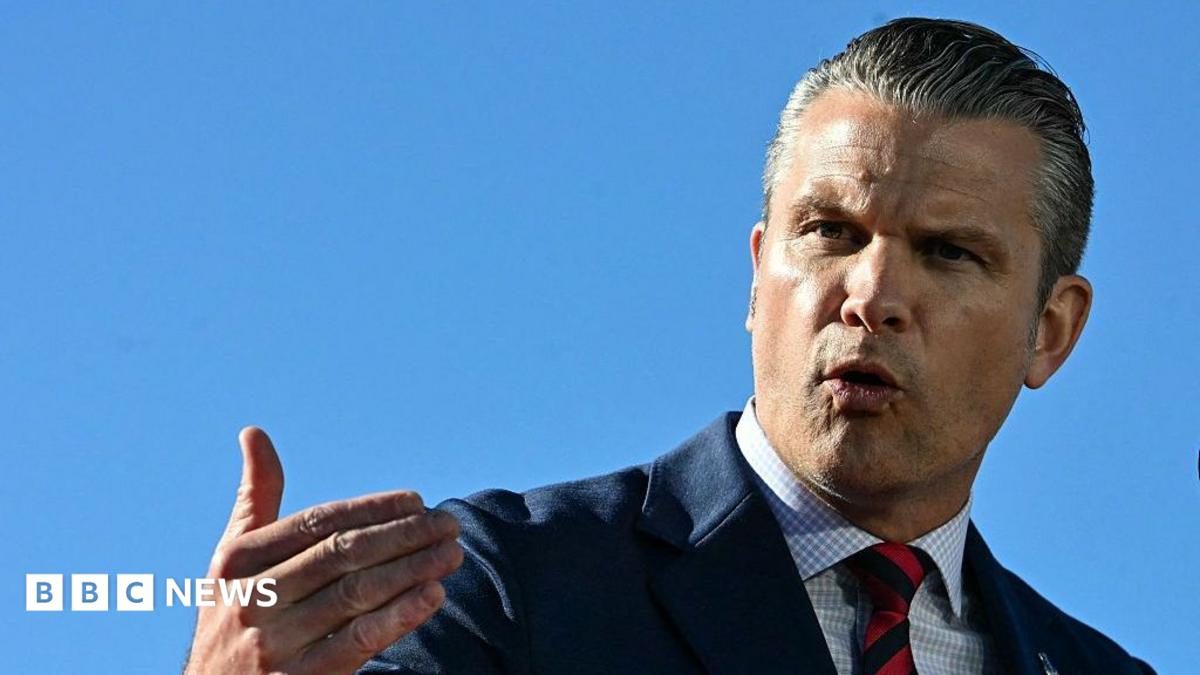
US Defense Secretary Pete Hegseth has stated that the execution of Nidal Hasan, a former US Army major who killed 13 unarmed soldiers at Fort Hood in 2009, could be publicly livestreamed by firing squad. This decision has ignited significant controversy, as it would mark the first public execution in the US in nearly a century and is considered an unprecedented move in the modern era.
Highlights
- Livestream Plan: US Defense Secretary Pete Hegseth indicated that Nidal Hasan's execution would be publicly livestreamed.
- Legal Uncertainty: Legal experts describe the decision as "unprecedented" and on "uncertain legal terrain."
- Mixed Reactions: Democratic Senator Chris Murphy called the livestream "disgusting," while a former soldier wounded in the attack supported the execution but expressed concerns about broad public viewing.
- First Military Execution: This would be the first military execution in the US in over 60 years and the first by firing squad since World War Two.
- Appellate Process: Hasan's appeals process is ongoing, and some experts believe the execution is unlikely to proceed.
Details
Nidal Hasan was responsible for the deaths of 13 soldiers and injuries to over 30 others at Fort Hood, Texas, in 2009. A US Army psychiatrist, Hasan stated during his 2013 court-martial that he believed his actions were intended to protect Muslims and the Taliban in Afghanistan. The execution is scheduled to take place at Fort Hood on December 3.
While Pentagon officials confirmed the plan for a livestream, John Mills, a lawyer working with death row inmates, noted the decision is "unprecedented in the modern era" and on "uncertain legal terrain." Mills added that Hasan's appellate process is not yet complete, and he is likely to seek federal court review, which could stay the execution. Eugene R. Fidell, a visiting lecturer at Yale Law School, described the livestream decision as "out of the Middle Ages."
Alonzo Lunsford, a former US Army sergeant who was shot seven times in the attack, supported the execution but raised concerns about the message a livestream might send to younger generations. However, Lunsford emphasized the importance of allowing affected families and survivors to watch the uncensored broadcast. Defense Secretary Hegseth dismissed questions about Hasan's final requests, stating, "We'll see him on December 3rd."
Why it matters
The potential livestreaming of this execution sparks a significant debate in the US regarding capital punishment practices and transparency. On one hand, it offers an opportunity for death penalty supporters to witness how executions are carried out. On the other, it faces severe criticism due to its ethical, legal, and societal implications. The decision is expected to open up international discussions on the US justice system and its stance on execution methods.