India: 'Cockroach Janta Party' Alleges Mass Detentions Ahead of Delhi Protest
India's opposition 'Cockroach Janta Party' (CJP) claims authorities are carrying out mass arrests of its members nationwide ahead of its planned protest tomorrow.
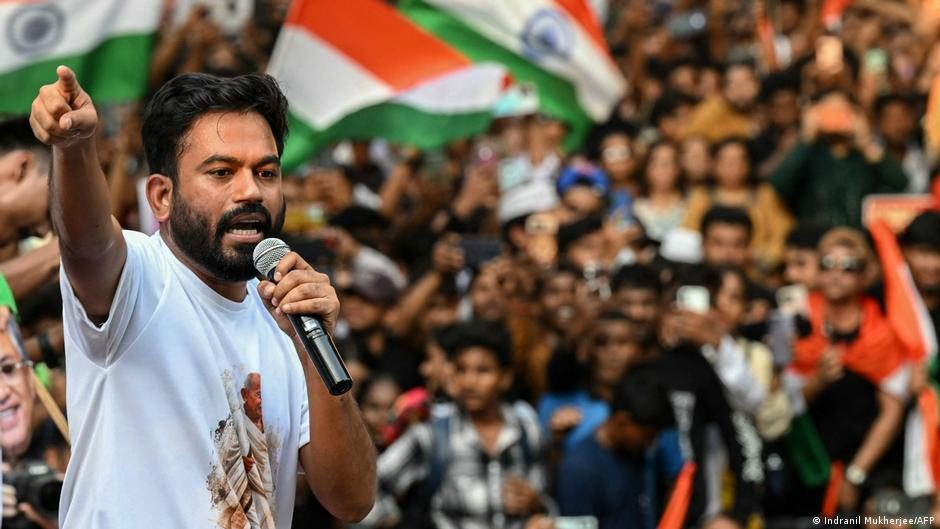
India's youth-led opposition movement, the 'Cockroach Janta Party' (CJP), has accused authorities of conducting mass detentions of its members nationwide ahead of its planned protest in New Delhi on October 10. CJP founder Abhijeet Dipke has charged the Modi government with "intimidation." There has been no official police statement regarding these allegations.
Highlights
- The CJP alleges mass detentions of its members across the country before the October 10 protest.
- Party leaders have likened the situation to a "state of emergency" in India.
- According to the CJP, more than 10,000 people, including party spokesperson Deepak Baliyan, are allegedly detained.
- The protest demands the resignation of Chief Election Commissioner Gyanesh Kumar over controversial revisions to voter lists.
- CJP founder Abhijeet Dipke stated he would travel to Delhi to join the protest despite the alleged detentions.
Details
CJP leaders announced on social media that spokesperson Deepak Baliyan and several activists from across the country had been detained. CJP Co-Convener Ashutosh Ranka reported that Baliyan was released after being arrested by Rajasthan police at his home. Ranka claimed that at least 10,000 people were detained nationwide on Thursday. Additionally, a group of volunteers from Telangana were allegedly arrested by Madhya Pradesh police on a train in Bhopal, and students from Pune heading to Delhi were reportedly taken by bus to an unknown location.
CJP leaders have stated that these detentions resemble the state of emergency in the 1970s when civil liberties were suspended. Party spokesperson Saurav Das accused the Modi government of being "at war with its own young citizens." Prime Minister Narendra Modi and his Bharatiya Janata Party (BJP) refer to the 1970s period as a "dark chapter" in India's history.
Why it matters
These protests are part of a broader controversy surrounding the Election Commission of India's removal of approximately 130 million names from electoral rolls. Opposition parties and critics argue that this exercise targets minority voters and is being used by the ruling BJP to gain an advantage in future elections. This situation raises concerns about the independence of India's electoral process and democratic rights.