US Re-evaluating Middle East Role, Shifting from Oil-for-Security Paradigm
A senior US diplomat indicates a shift in Washington's Middle East policy, moving away from a security-for-oil approach and questioning past interventions.
Highlights
- The United States is moving away from its long-standing "security for oil" arrangement in the Middle East and no longer aims to control the region.
- US diplomat Tom Barrack stated that many of the 23 attempts by the US to alter governments in the broader Middle East were missteps.
- Barrack acknowledged that nations in the region are increasingly aware that the US cannot resolve all their issues.
- Qatar confirmed that discussions are continuing between the US and Iran to conclude the ongoing conflict.
Details
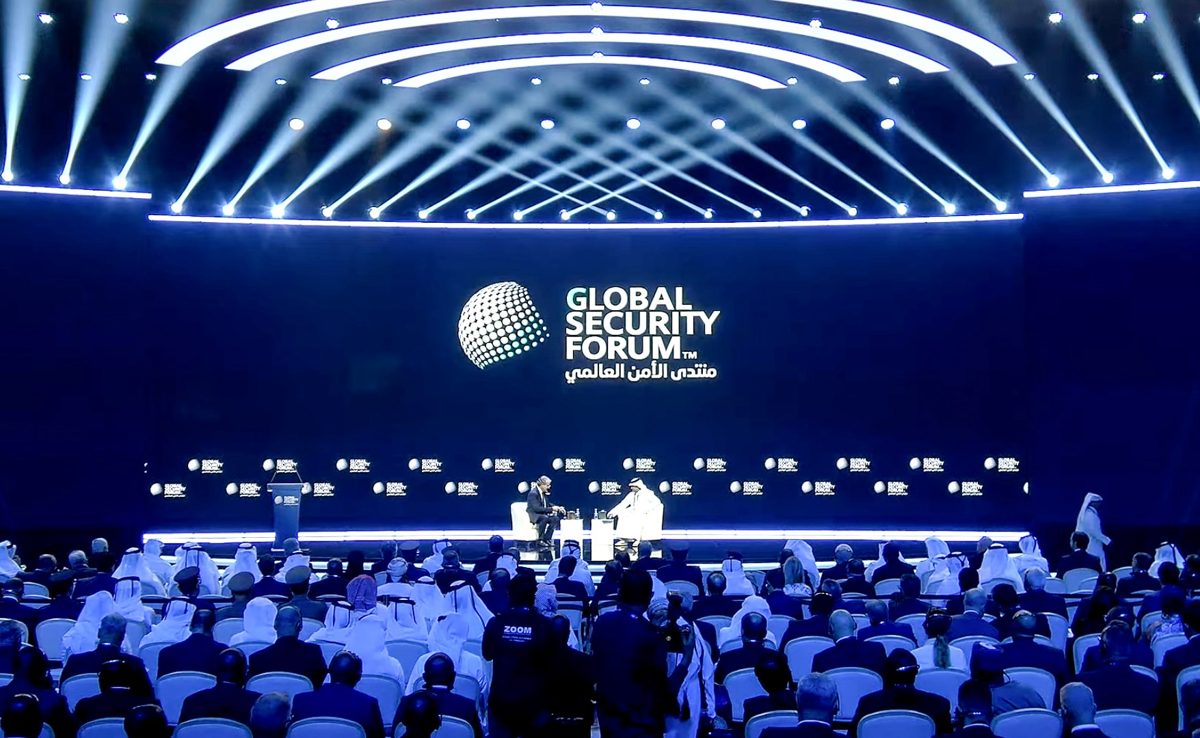
Speaking at the Global Security Forum in Doha, Tom Barrack, who serves as the US Ambassador to Turkey and Special Envoy for Syria, clarified that while the US is not withdrawing from the Middle East, it is re-evaluating its engagement after numerous efforts to reshape regional governments. Barrack questioned the efficacy of previous interventions, noting, "Every time we try and intervene, change the person or the regime, it seems to have been a mistake." These comments come as Washington and Tehran are engaged in discussions aimed at resolving the conflict involving the US and Israel against Iran, a situation that has destabilized the area and impacted worldwide energy supplies.
Separately, Majed al-Ansari, spokesperson for Qatar's Ministry of Foreign Affairs, also at the Doha forum, confirmed that mediators are facilitating communication between the parties. Al-Ansari suggested that the absence of public information regarding these talks should not be mistaken for a lack of progress. Iran's seven-day plan to conclude hostilities is still under consideration, awaiting a response from the US. This proposal includes opening the Strait of Hormuz and restarting nuclear discussions, contingent on US concessions such as lifting the naval blockade on Iranian ports and easing economic sanctions on Tehran.
Why it matters
Barrack's remarks signal a significant shift in US foreign policy in the Middle East. The questioning of past interventions and emphasis on the region's capacity to address its own challenges suggest a potentially more limited and collaborative future role for the US. The ongoing negotiations between the US and Iran are crucial for the region's stability and global energy security, with implications for international relations and economic markets.