German Official Calls for Next President to Come from the East
Elisabeth Kaiser, Germany's Commissioner for Eastern Germany, has advocated for the next president to be from East Germany during Unity Day celebrations.
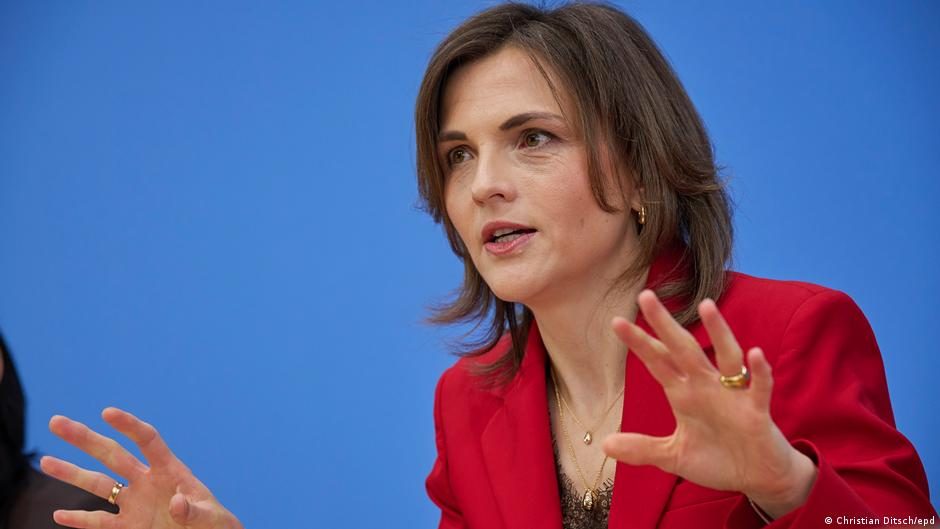
On October 3, 2026, Germany is observing Unity Day with various events in Bremen. On this occasion, Elisabeth Kaiser, the German government's commissioner for eastern Germany, called for the country's next president to come from the east. Kaiser highlighted that East Germans remain underrepresented in positions of power.
Highlights
- Eastern Germany Commissioner Elisabeth Kaiser urged for the next president to be from the east.
- Kaiser emphasized the underrepresentation of East Germans in top political leadership roles.
- Current President Frank-Walter Steinmeier's second and final term concludes in March 2027.
- Since reunification, only Joachim Gauck (2012-2017) has served as president from East Germany.
- Significant disparities persist between eastern and western Germany in income, wealth, and leadership representation.
Details
German Unity Day commemorates October 3, 1990, when the five states of former East Germany joined the Federal Republic of Germany, formally reunifying the country. The main national festivities in Bremen are expected to attract over 400,000 people, featuring hundreds of events including free concerts, discussions, and exhibitions.
Elisabeth Kaiser, a Social Democratic Party (SPD) politician, told the Neue Osnabrücker Zeitung newspaper that none of Germany's current top political leaders originate from eastern Germany. Kaiser stated, "That can quickly create the impression that eastern Germans play no role in leading our country and are only sitting at the children's table," adding, "I think the time is right for an eastern German head of state again."
President Frank-Walter Steinmeier's term is set to end in March 2027, with his successor to be elected by the Federal Convention on January 30. Kaiser also stressed that significant differences in income, wealth, and leadership representation between eastern and western Germany must be overcome to truly complete German unity.
Why it matters
This call highlights the ongoing disparities and representation issues between East and West Germany, more than three decades after reunification. Having an East German in a symbolically significant position like the presidency is seen as a crucial step towards reinforcing the country's unity and ensuring equitable representation.