Germany Faces Pressure from Gen Z Protests and IG Metall Strikes
In Germany, the "Gen Z regelt" youth group has called for new protests to pressure the government on issues like schools, living costs, and social justice, while the IG Metall union has initiated warn
A youth group in Germany, "Gen Z regelt" (Gen Z Takes Charge), has called for more protests following this weekend's demonstrations, aiming to maintain pressure on the government to address their concerns. Simultaneously, IG Metall, one of Germany's largest unions, has launched warning strikes in the metalworking and electrical sectors after wage negotiations broke down.
Highlights
- The "Gen Z regelt" group is urging people to take to the streets again on November 14, demanding increased funding for schools, addiction treatment, psychotherapy, and measures to combat rising living costs.
- While advocating for social justice and enhanced climate protection, the group opposes the introduction of mandatory military service and the expansion of government surveillance.
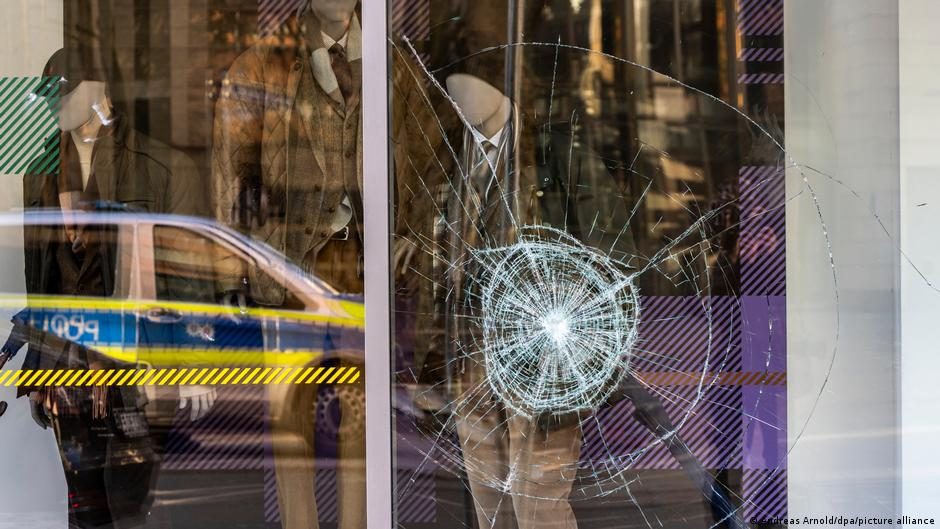
- Although the weekend's protests were largely peaceful, incidents of violence and looting occurred in some cities like Frankfurt and Cologne after the rallies, which police attributed to extremists exploiting the demonstrations.
- The IG Metall union, representing 3.7 million workers, has initiated warning strikes, demanding a 5% pay increase and job security.
- The union rejected employers' offer (a one-time payment next year and a 1.3% increase in 2028), deeming it "well below the rate of inflation."
Details
Lina Friedrich, a spokesperson for "Gen Z regelt," stated in Berlin on Saturday that the group is fighting for better support for health and education systems, against compulsory military service, and for a fairer distribution of burdens. The group distanced itself from the post-protest violence and looting, asserting that these incidents were caused by extremists. Police also confirmed that the demonstrations themselves were largely peaceful, with subsequent violence stemming from groups using the protests as cover.
IG Metall began its warning strikes in the metalworking and electrical sectors at midnight on Sunday. The initial strikes involved approximately 300 night-shift employees at a factory in Rhineland-Palatinate and a protest at a mobile communications supplier in Munich. The union announced "major warning strikes," stating that the employers' "so-called offer" was met with "incomprehension" in workplaces, as the proposed pay increases were significantly below Germany's inflation rate. The strikes are expected to spread across Germany next week.
Why it matters
These developments mark a significant moment in Germany, highlighting both the social and economic demands of young people and the labor unions' struggle for fair wages against rising living costs. The government will be compelled to respond to both the youth's demands and the pressure from union strikes, potentially leading to changes in the country's social and economic policies. The rise of grassroots youth movements like "Gen Z regelt" could challenge traditional political structures and bring the expectations of the new generation to the forefront of public discourse.