Germany Aims to Accelerate Search for Nuclear Waste Site
While Finland became the first country to approve a final storage facility for nuclear waste, Germany is still searching for a suitable site and intends to accelerate the process.
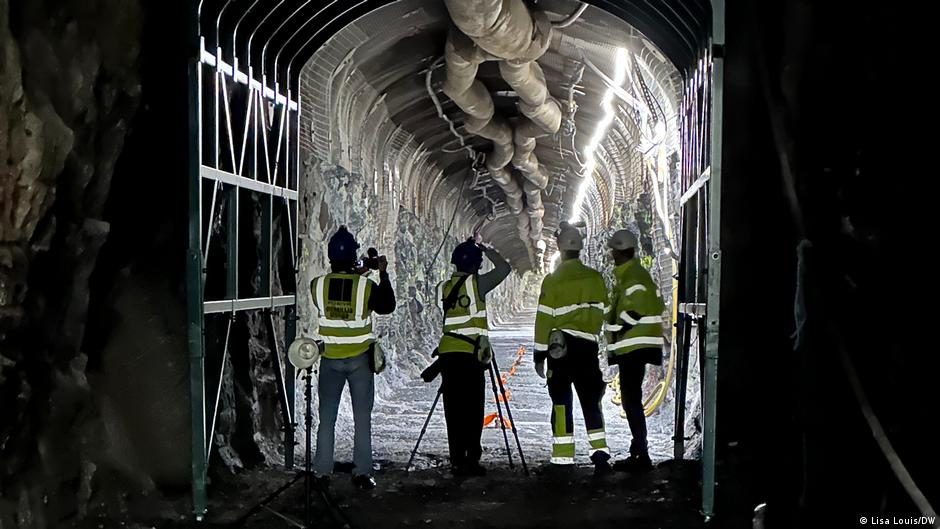
Finland has become the first country globally to approve a final storage facility for nuclear waste. Located 400 meters underground on an island in western Finland, this facility took approximately 40 years to complete. Germany, despite phasing out nuclear energy, continues to face challenges in finding a secure location to store its radioactive waste.
Highlights
- Finland has become the first country to approve a permanent nuclear waste repository.
- Germany has been searching for a suitable nuclear waste site for nearly 10 years but has yet to identify one.
- Germany's Environment Minister aims to accelerate the search process and identify a site by 2050.
- Nuclear waste requires deep underground storage to remain safe for thousands of years.
- The cost of this disposal process is expected to amount to billions of euros.
Details
The Federal Company for Radioactive Waste Disposal (BGE) in Germany has been searching for a suitable deep underground storage site for almost a decade. Environment Minister Carsten Schneider (SPD) expressed his desire to accelerate this process. Government spokesperson Stephan Gabriel Haufe noted that Germany is further along in its procedures than Russia, the United States, the United Kingdom, and Japan, though Finland is making the fastest progress worldwide.
BGE announced that only 5% of Germany's land area, spread across 11 of its 16 states, remains under consideration as a potential site. The agency consults geologists, nuclear experts, physicists, as well as citizens and politicians. Germany decided to phase out nuclear energy in 2011 following the Fukushima disaster and shut down its last nuclear power plant in 2023. However, the generated waste remains in interim storage.
BGE spokesperson Dagmar Dehmer emphasized that a repository must remain safe for a very long period: 100,000 years in Finland, and one million years in Germany, Switzerland, and France. Nuclear waste disposal is an extremely expensive undertaking. Currently, the search and interim storage cost about €1.4 billion per year. The final repository itself is estimated to cost around €14 billion and aims to permanently store 28,000 cubic meters of radioactive waste.
Why it matters
The safe disposal of nuclear waste is a critical environmental and political challenge for all countries that use or have used nuclear energy. Since this waste remains radioactive for thousands of years, finding long-term, secure, and permanent solutions is crucial to protect the health of future generations and the environment. Germany's ongoing search could serve as an example for other nations and highlights the importance of international cooperation in addressing this complex issue.