Milt Windler, NASA Flight Director Who Saved Apollo 13, Dies at 94
Milt Windler, a legendary NASA flight director who played a crucial role in the safe return of the Apollo 13 crew, has passed away at the age of 94.
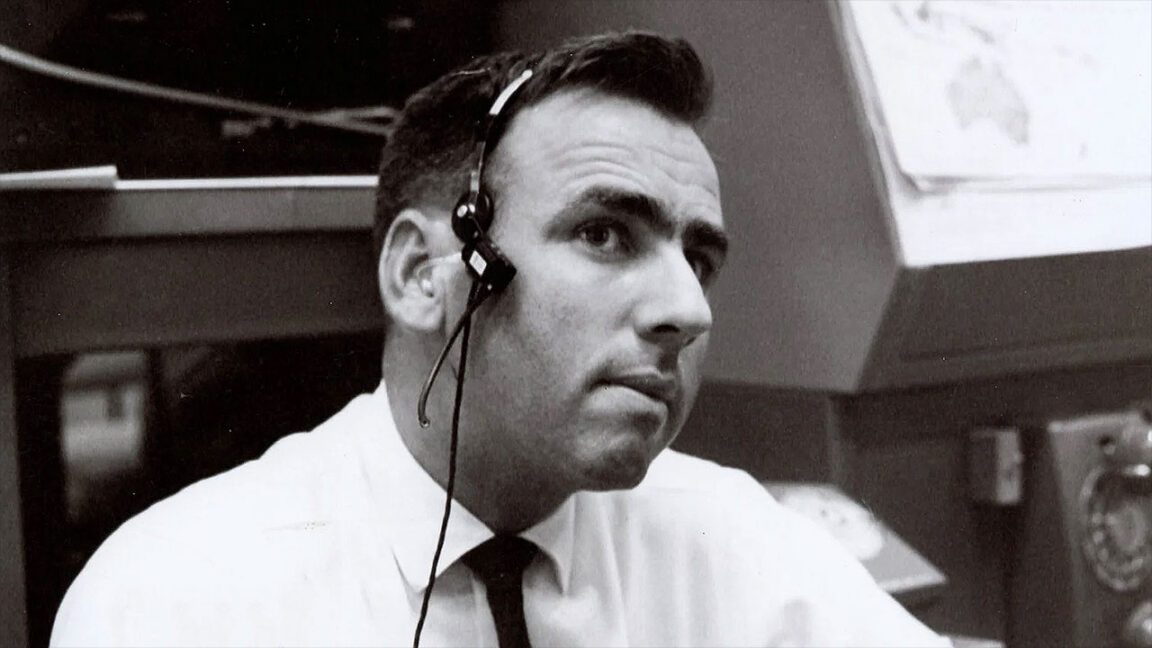
Milt Windler, one of NASA's legendary flight directors, has passed away at the age of 94. In 1970, Windler was at the helm of one of the four Mission Control teams that led the round-the-clock efforts to bring the Apollo 13 astronauts safely back to Earth after a critical in-flight anomaly. He died on Thursday, surrounded by his loving family.
Highlights
- Milt Windler was appointed a NASA flight director in 1968, having previously worked on recovery operations for the Mercury and Gemini programs.
- He led shifts of flight controllers for Apollo 8's first circumlunar flight and Apollo 10, 12, 14, and 15 missions.
- During the Apollo 13 mission, he served as the lead flight director, making critical decisions to return the crippled spacecraft to Earth.
- Windler also acted as a flight director for all three crewed missions to the United States' first space station, Skylab.
- In 1970, he was awarded the Presidential Medal of Freedom along with the Apollo 13 team.
Details
A graduate of Virginia Tech with a degree in aeronautical engineering, Milt Windler worked for the National Advisory Committee for Aeronautics (NACA), NASA's predecessor, before serving in the Air Force. He later rejoined NASA and was involved in the establishment of the Manned Spacecraft Center (now Johnson Space Center). As a flight director, he played vital roles in Apollo missions with his team, known as “Maroon Flight.”
During the Apollo 13 mission, an explosion in the service module crippled the spacecraft and vented the crew's oxygen supply into space. Windler and his team developed three options for firing the lunar module's engine to put the Apollo 13 spacecraft on a path back to Earth. This critical intervention was one of the most significant steps in saving the astronauts' lives. After this mission, Windler also contributed to the Skylab program, helping to develop real-time mission planning systems.
Why it matters
Milt Windler's contributions to the space program extended far beyond the Apollo 13 rescue. He played a key role in the success of numerous critical missions, including the first human circumlunar flight (Apollo 8) and subsequent lunar landings. By consulting on the space shuttle program and the development of the International Space Station (ISS), he became a pivotal figure shaping the future of space exploration. His leadership and innovative approaches have left a lasting legacy in space engineering and mission control.