Northern Irish Students to Compete in NASA's Lunar Robotics Competition
A team of 10 engineering students from Queen's University Belfast in Northern Ireland is heading to Florida to compete in NASA's international 'lunabotics' competition.
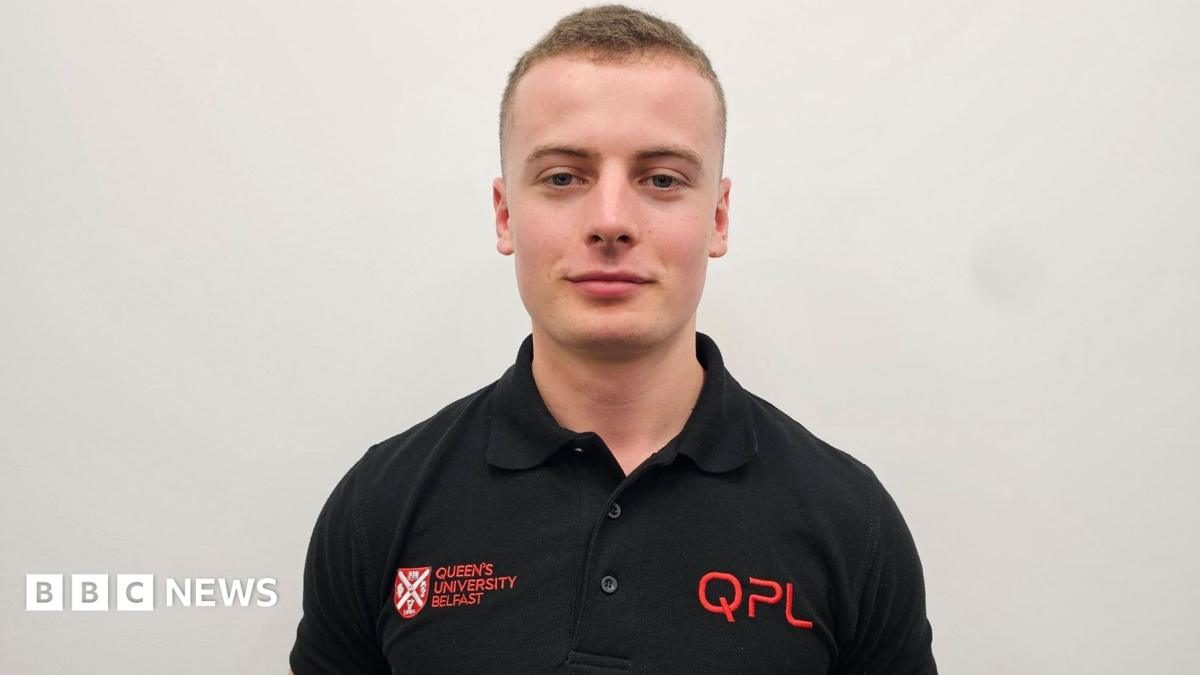
A team of 10 engineering students from Queen's University Belfast (QUB) in Northern Ireland is preparing to travel to Florida, USA, to participate in a prestigious NASA 'lunabotics' competition. This university-level competition challenges teams to design, build, and operate lunar robots using NASA's systems engineering process. The QUB team secured their invitation to this international event after winning a precursor competition in the United Kingdom.
Highlights
- Ten students from Queen's University Belfast will compete in NASA's international lunabotics competition.
- The team developed a 52 kg aluminum-framed robot capable of simulating lunar surface tasks.
- The robot's primary mission involves digging lunar material, navigating obstacles, and using the material to construct a wall.
- The competition will take place at the University of Central Florida, with teams from Australia, India, and the US also participating.
- The QUB team stands out as the sole European representative in the competition.
Details
The students have engineered a robot designed to handle future moon missions. This robot is capable of autonomous movement in a simulated lunar environment, excavating and transporting lunar simulant (sand), and depositing it at a specified location. The team was divided into three main groups: software, electronics, and mechanical. Jamie Smith, the software team lead, stated their main task was to control the rover and provide it with autonomous capabilities. Jack Fitzpatrick, a PhD student in mechanical engineering, expressed that being invited was a "great feeling" and a "real opportunity" to demonstrate their acquired knowledge.
Extensive testing was conducted to ensure the robot's physical strength and traction in the challenging lunar environment. After winning a competition in Milton Keynes, they received an invitation to NASA's international event. Jack Fitzpatrick emphasized that this opportunity is a fantastic chance to represent Northern Ireland, the UK, and Europe, as they are the only European team participating.
Why it matters
This competition is crucial for fostering the development of autonomous robotic technologies, which are vital for future human lunar missions. The robots designed by these students could lay the groundwork for tasks such as constructing human habitats on the moon. The QUB team's involvement highlights the contributions of young engineers to space exploration and provides them with a platform to showcase their talents on an international stage. Such competitions are instrumental in nurturing the next generation of space scientists and engineers.