Reserve Bank of Australia Raises Interest Rates to 15-Year High
The Reserve Bank of Australia (RBA) has increased its benchmark interest rate to 4.6%, reaching a 15-year high, in an effort to combat persistent inflation.
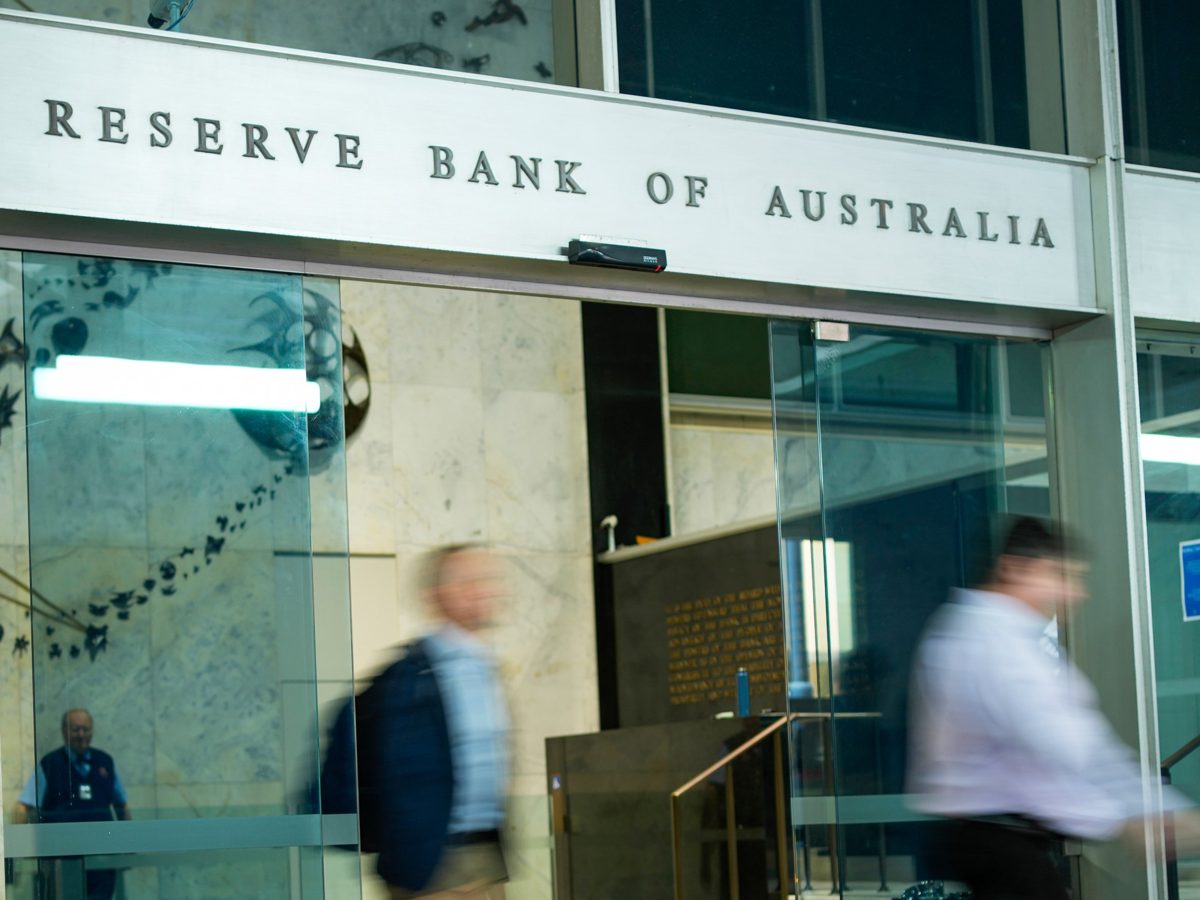
The Reserve Bank of Australia (RBA) has raised its benchmark interest rate by 0.25 percent to 4.6 percent, marking a 15-year high. This decision aims to combat stubborn inflation within the Australian economy and will lead to higher mortgage payments for millions of Australian households.
Highlights
- The RBA increased the benchmark interest rate by 0.25 percent to 4.6 percent.
- This hike brings the interest rate to its highest level since 2011.
- The bank cited elevated inflation and the materialization of previously flagged “upside risks,” including rising energy prices.
- The move is expected to increase mortgage payments for millions of Australian households.
- Australia’s Treasurer Jim Chalmers acknowledged that the hike would create greater hardship for many Australians.
Details
The RBA stated that inflation remains high and that “upside risks” previously identified have materialized. These risks include increased energy prices due to the United States-Israel war on Iran and an AI-driven surge in technology costs. The bank's monetary board emphasized ongoing uncertainties regarding the outlook for domestic economic activity and inflation. The unresolved conflict in the Middle East and global oil supply disruptions are also contributing to upward pressure on energy prices and inflation.
Australia's annual inflation rate stood at 3.5 percent in July, significantly above the central bank's target range of 2-3 percent. Central banks typically raise their benchmark interest rates when policymakers believe prices are rising too quickly, aiming to cool consumer demand and bring down inflation. This latest increase, combined with three previous hikes this year, is set to further strain Australian households.
According to a research report by Roy Morgan, nearly one-third of Australian mortgage holders, approximately 1.8 million people, were at risk of “mortgage stress” as of July. This condition occurs when households spend 25-45 percent of their after-tax income on mortgage payments.
Why it matters
This interest rate hike underscores the seriousness of the fight against inflation in the Australian economy and significantly increases the financial burden on households. External factors such as fluctuations in global energy prices and geopolitical tensions play a decisive role in the central bank's monetary policy decisions. The government's efforts to support the fight against inflation through measures like tax cuts and cost-of-living assistance may offer some relief to citizens during this challenging economic period. However, the potential for interest rate hikes to slow economic growth should also be considered.