Germany and Five Nations Demand Billions in EU Budget Cuts
German Chancellor Friedrich Merz and leaders from five other nations are threatening to block the EU's proposed €2 trillion budget unless significant cuts are made.
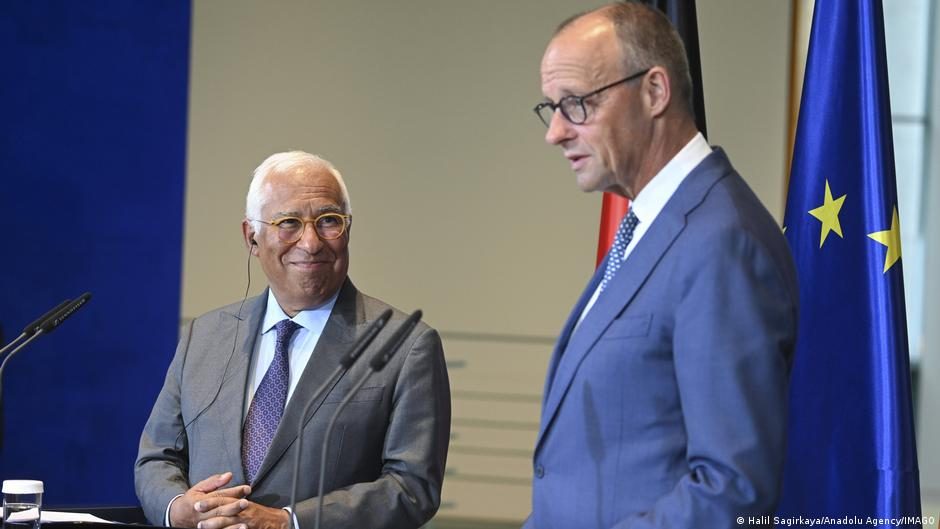
Highlights
- German Chancellor Friedrich Merz and five other national leaders are contesting the European Union's proposed budget, which is close to €2 trillion.
- These leaders have indicated they will prevent the budget's approval if billions of euros in reductions are not implemented.
- The European Commission's budget draft requires endorsement from all member states to pass.
- As the EU's largest economy, Germany is the biggest financial contributor to the bloc.
Details
According to the Financial Times, Chancellor Merz, alongside leaders from the Netherlands, Sweden, Denmark, Austria, and Finland, has signed a letter articulating their demand for substantial budget cuts. This proposed budget, covering the 2028-2034 period, was presented by the European Commission last year and needs unanimous approval from all EU member countries. The total amount proposed is approximately €2 trillion (equivalent to $2.33 trillion), with stakeholders hoping to finalize an agreement by the close of 2026.
Merz stated earlier this month that spending reductions should encompass all policy sectors, and he opposes using additional joint EU borrowing to cover any shortfalls. He emphasized that "excessive debt threatens our sovereignty and our capacity to act," noting the "admittedly painful task" governments face in prioritizing expenditures. The German Chancellor advocates for the next EU budget to reallocate funds towards enhancing competitiveness and defense, asserting that a "20th-century budget" is insufficient for contemporary challenges.
Why it matters
This disagreement highlights a significant debate within the EU regarding future spending priorities and the financial responsibilities of member states. The influence of major contributors like Germany on the budget directly affects the bloc's long-term strategies and projects. A failure to approve the budget could lead to delays or cancellations of numerous planned EU initiatives and investments, potentially having substantial consequences for the overall functioning of the Union.