Azerbaijan's Headscarf Ban in Schools Sparks Protests and Arrests
New restrictions on wearing headscarves in public schools in Azerbaijan have led to protests and arrests, with teachers fearing job loss and students risking exclusion.
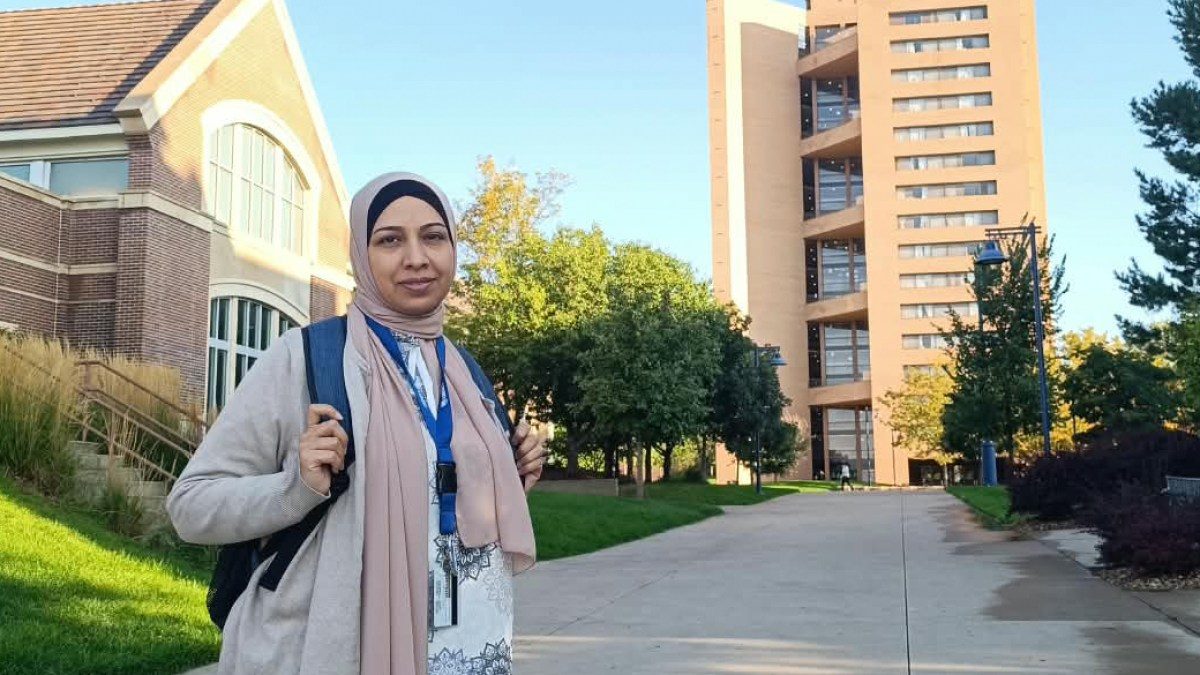
New restrictions on wearing headscarves in public schools in Azerbaijan have ignited widespread debate across the country. In a nation where over 90 percent of the population is Muslim, these new rules are causing concern among teachers who fear losing their livelihoods and students who face exclusion from education. In the capital, Baku, several teachers and students have been denied entry to schools, and the Ministry of Internal Affairs announced that 37 individuals were detained for disturbing public order during protests.
Highlights
- New regulations in Azerbaijan ban clothing that violates the principle of secularism in education, effectively impacting students and teachers who wear headscarves.
- Teachers and students attempting to enter schools with headscarves in Baku were denied entry; 37 people were detained during related protests.
- Sheikh-ul-Islam Allahshukur Pashazade, chairman of the Caucasus Muslims Board, stated that the hijab is "an important religious obligation" but urged citizens not to oppose state decisions.
- Oktay Saral, an advisor to Turkish President Recep Tayyip Erdoğan, criticized Azerbaijan's move as "unacceptable."
- Azerbaijan's ruling New Azerbaijan Party (YAP) retaliated, suggesting Saral's comments risked harming ties between the close allies.
Details
The new rules, implemented last month, do not explicitly target the hijab but prohibit clothing that violates the principle of secularism in education. This has affected many, including Gulshan Aliyeva, an English teacher with 23 years of experience. Aliyeva reported being denied entry to school with her headscarf, and her daughter was also prevented from entering. She argues that Azerbaijan's Labor Code prohibits discrimination in employment and wishes to continue her career without her religious beliefs being an obstacle.
The controversy has also strained Azerbaijan's close relationship with Turkey. Oktay Saral, an advisor to Turkish President Erdoğan, posted on social media that "leaving a student who covers her head for reasons of faith at the school gate – how can this fit into any conscience, any sense of justice?" In response, Azerbaijan's ruling New Azerbaijan Party (YAP) criticized Saral's "irresponsible" comments, stating they risked harming ties between the two allied nations.
Zahid Oruj, chairman of the human rights committee of Azerbaijan's parliament, argued that the measure is not an act of religious discrimination or an attack on free expression. "There is no ban on wearing headscarves outside school, and the primary objective is to maintain uniform rules within the educational environment," Oruj stated. While Azerbaijan's constitution enshrines secularism and the separation of religion and state, it also guarantees freedom of conscience. This raises questions about how the state should reconcile these principles when regulating clothing in public schools.
Why it matters
This debate reflects the delicate balance between Azerbaijan's secular principles and the religious freedoms of its citizens. The restrictions in schools raise significant questions about individual rights and state educational policies. Furthermore, the potential impact on relations with close allies like Turkey underscores the regional importance of the issue.