Displaced West Bank Palestinians Face Growing Hunger After UN Cuts Food Aid
Food insecurity is on the rise among displaced Palestinians in the West Bank due to funding cuts by the UN World Food Programme (WFP).
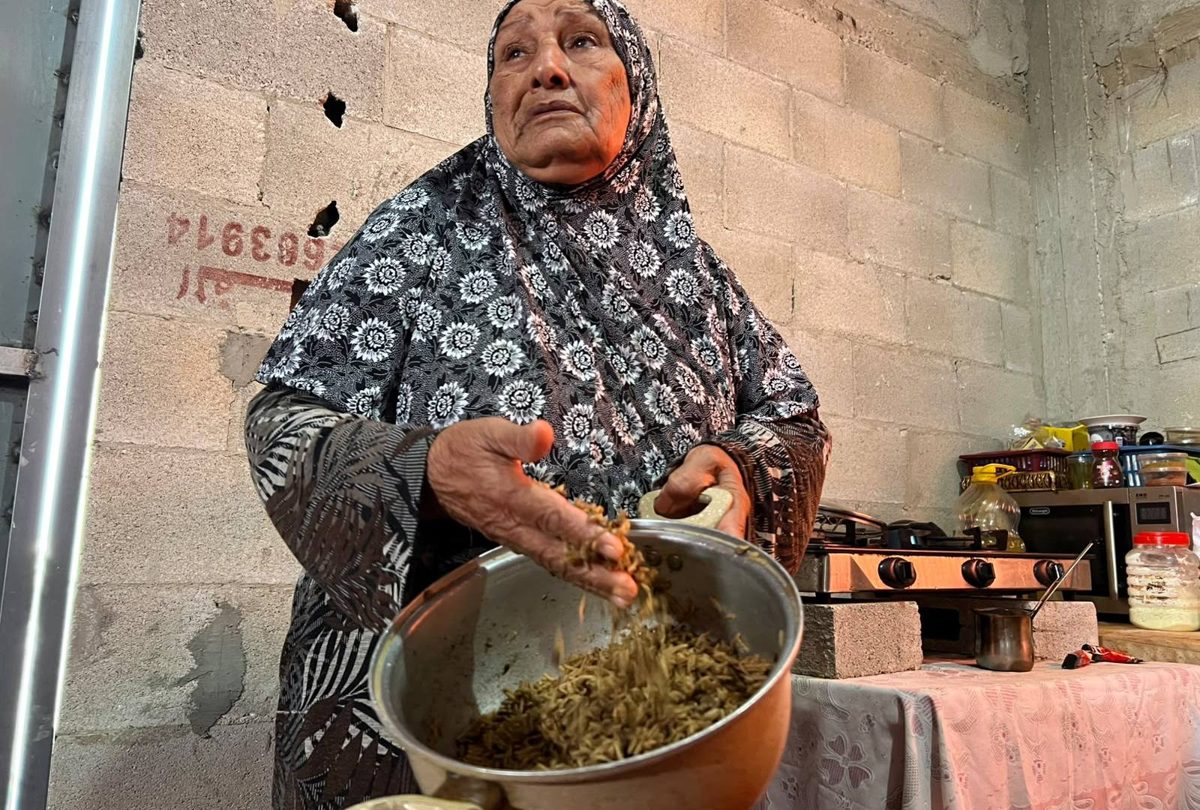
Palestinians in the West Bank, already struggling after losing their homes to Israeli military operations, are facing increased hardship as the United Nations World Food Programme (WFP) has halved its aid. Reduced international funding has severely impacted WFP's ability to support approximately 900,000 food-insecure individuals in the region.
Highlights
- WFP announced a 50 percent reduction in food aid recipients in the West Bank in September due to critical funding constraints.
- Food needs have more than doubled since 2023, while WFP's aid cuts leave many families struggling with hunger.
- Many, like 75-year-old Fawza Awad, displaced from Tulkarem refugee camp, can no longer afford essential monthly medication.
- A WFP analysis indicates that 76 percent of Palestinian households in the West Bank have experienced a significant decline in income.
- The financial crisis of the Palestinian Authority (PA) and Israel's cessation of work permits are also exacerbating the humanitarian situation.
Details
Fawza Awad, displaced from the Tulkarem refugee camp in January 2025 due to Israeli military operations, has not received WFP aid for the past five months. Sheltering with her family in her daughter's unfinished house, Awad states that her asthma and high blood pressure medication costs 200 shekels ($64) monthly, an expense she cannot cover. She reports her old home was completely demolished by the Israeli army to make way for a military road.
More than a thousand displaced Palestinians sheltering in the al-Muwahhad School in Tulkarem face similar challenges. Rabab Qasim and her family have received no assistance for three months following WFP's food aid cuts. Rabab mentions her back condition requires 300 shekels ($96) in monthly treatment, which she cannot afford. Her husband, Talib Abu Sarriya, says they often cannot find bread or a meal and frequently go to sleep hungry.
According to WFP's latest quarterly food security analysis, 76 percent of Palestinian households in the West Bank have experienced a significant decline in income, and 12 percent of the population has poor food consumption. One-third of households cannot afford a healthy diet due to rapidly deteriorating economic conditions. Economist Ubai Aboudi notes that around half a million Palestinian families need food assistance, but aid from WFP and other sources is declining.
Why it matters
The escalating food insecurity and humanitarian crisis in the West Bank are deepening instability in the region. WFP's funding cuts are worsening the living conditions of already vulnerable displaced Palestinians, hindering their access to basic necessities. This situation exacerbates existing problems such as health issues, unemployment, and lack of shelter, increasing the risk of a humanitarian catastrophe in the area.