Storm Boelo Causes Disruption in Wales: Hundreds of Homes Without Power
Storm Boelo brought **84 mph** winds and heavy rain to Wales, leading to power outages, widespread flooding, and significant transport disruptions.
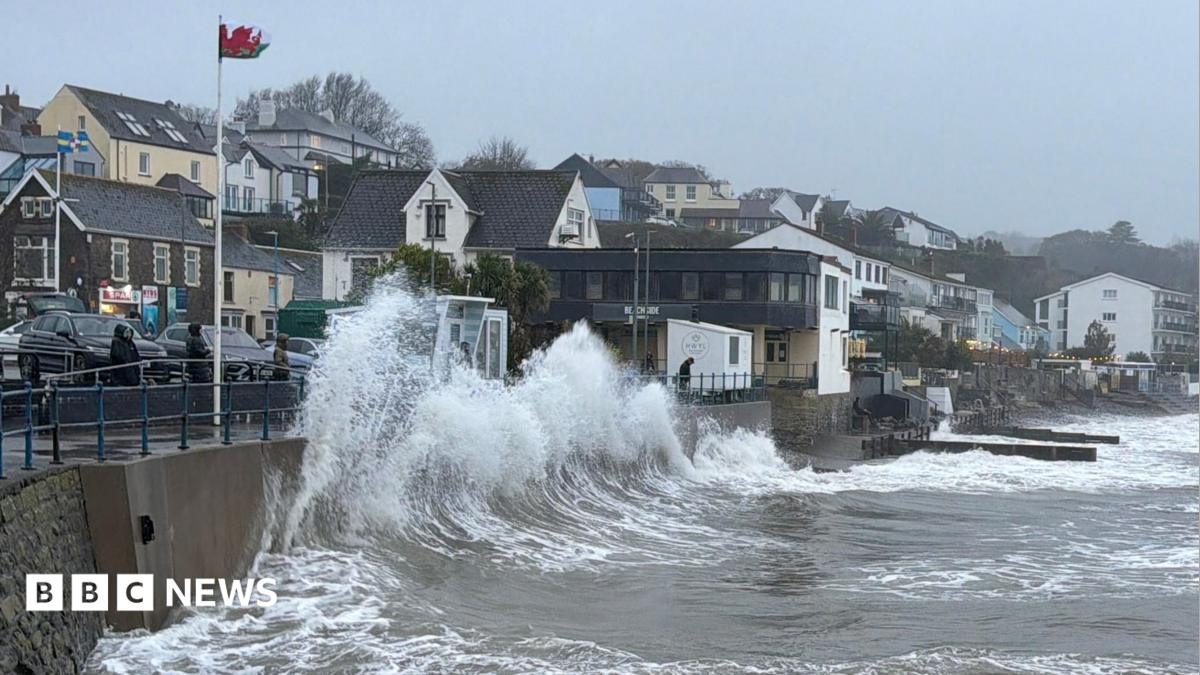
Storm Boelo caused significant disruption across Wales over the weekend, following closely on the heels of Storm Austen. High winds and torrential rain left hundreds of homes without power, while roads were impacted by flooding and fallen trees. The consecutive storms severely affected the region's infrastructure and daily life.
Highlights
- A wind gust of 84 mph (135 km/h) was recorded in Capel Curig, Conwy county, along with 2.1 inches (54.6mm) of rain.
- 555 homes in Rhayader, Powys, lost power, with approximately 100 additional homes affected across south Wales.
- Four flood warnings were issued in south Wales, and numerous fallen trees blocked roads.
- Significant disruptions occurred on railway services, with some train routes replaced by buses.
- Several ferry crossings between Holyhead and Dublin were cancelled or delayed.
Details
Storm Boelo followed Storm Austen, bringing severe weather to Wales throughout the weekend. Police forces and local councils reported dealing with widespread flooding and fallen trees. The recorded wind gust of 84 mph in Capel Curig and 2.2 inches (55.2mm) of rain in Cardiff's Bute Park highlight the intensity of the storm.
National Grid engineers are working to restore power to affected households as quickly as possible, apologizing for the inconvenience. Transport for Wales reported that the line between Cardiff Central and Bridgend was blocked, and flooding affected the railway between Bridgend and Maesteg, leading to bus replacements for several train services.
Maritime travel was also impacted, with Stenaline and Irish Ferries canceling or delaying several sailings between Holyhead and Dublin. In north Wales, police warned drivers about significant debris and fallen trees on the A470, urging caution.
Why it matters
Storm Boelo underscores the vulnerability of Wales' infrastructure to severe weather events. The back-to-back storms significantly impacted power grids, transportation networks, and local communities, highlighting the critical need for preparedness against extreme weather phenomena, which are becoming more frequent due to climate change. Ensuring public safety and minimizing disruption to daily life requires robust emergency response and infrastructure resilience efforts.