Lula and Bolsonaro Debate Economy and Infrastructure Ahead of Brazil's Run-off
Ahead of Brazil's presidential run-off, incumbent President Luiz Inácio Lula da Silva and rival Flavio Bolsonaro focused on policy proposals, including economy, infrastructure, and regional developmen
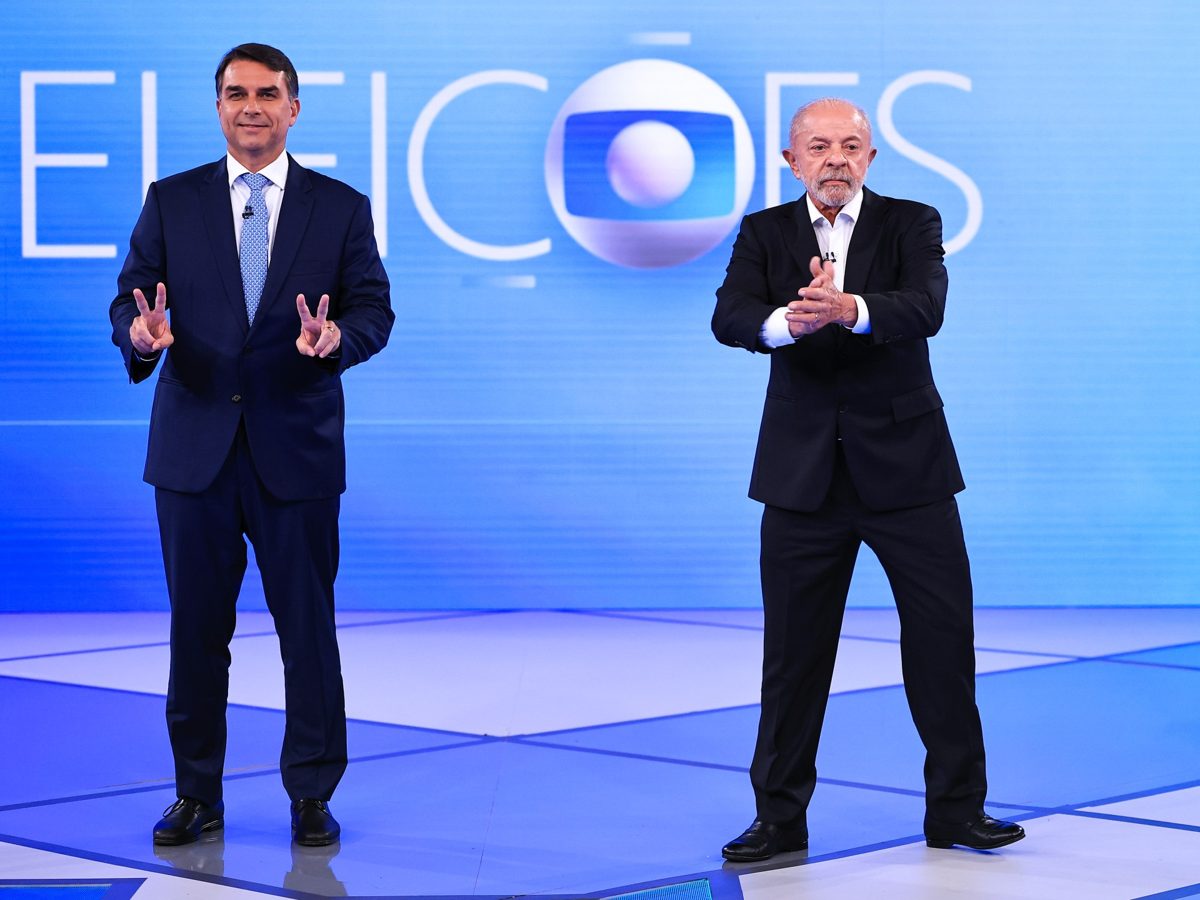
Brazilian President Luiz Inácio Lula da Silva and his right-wing challenger Flavio Bolsonaro engaged in a final debate, primarily focusing on policy proposals, ahead of their presidential run-off election. The candidates questioned each other on Friday about Brazil's economy, infrastructure, and regional development, just two days before the crucial vote.
Highlights
- Lula challenged Bolsonaro's plan to implement "chainsaw" cuts to public spending, drawing parallels to similar measures in Argentina.
- Bolsonaro accused the incumbent government of allowing organized crime to expand, driving families into debt, and failing to address the rising cost of living.
- The debate included personal attacks and tense moments, with Bolsonaro referring to Lula as "Nine Fingers" and Lula calling Bolsonaro a "vigilante."
- Recent polls indicate that both candidates are now tied with 50 percent support each, suggesting a very close race for Sunday's run-off.
Details
The debate, broadcast on TV Globo from Rio de Janeiro, was reportedly more diplomatic than their initial face-off but still featured personal criticisms. Bolsonaro used the pejorative nickname "Nine Fingers" for Lula, referencing an industrial accident the president suffered as a metalworker. Lula demanded an apology, which Bolsonaro provided. In return, Lula called Bolsonaro a "vigilante," alluding to allegations of his rival's ties to paramilitary groups in Rio de Janeiro.
Bolsonaro, son of former right-wing President Jair Bolsonaro, criticized Lula's administration for allegedly allowing organized crime to flourish and for increasing household debt. Lula countered by questioning Bolsonaro's understanding of poverty, stating, "He doesn't know what hunger is," and arguing that his challenger lacked sufficient knowledge of Brazil. Bolsonaro responded by highlighting the issue of high living costs, asking, "Why are things so expensive?"
In the initial round of voting, Bolsonaro led with 47 percent of the vote to Lula's 45 percent. However, a Datafolha institute survey published on Thursday indicates a shift, showing both candidates now tied at 50 percent support, a significant change from Bolsonaro's four-point lead in polls two weeks prior.
Why it matters
This election is pivotal for Brazil's future, influencing its economic direction, social policies, and security approach. The neck-and-neck polling suggests a highly contested run-off, where the public's choice could fundamentally alter the country's trajectory. The outcome will also have implications for Brazil's regional and global standing. Both candidates are expected to engage in final campaign efforts, joining supporters in the streets of Rio de Janeiro and Sao Paulo before Sunday's vote.