Brazilians Head to Polls in Critical Run-off Between Lula and Bolsonaro's Son
Brazilians are casting their votes in a closely contested run-off election between incumbent President Lula da Silva and Flávio Bolsonaro, the son of former president Jair Bolsonaro.
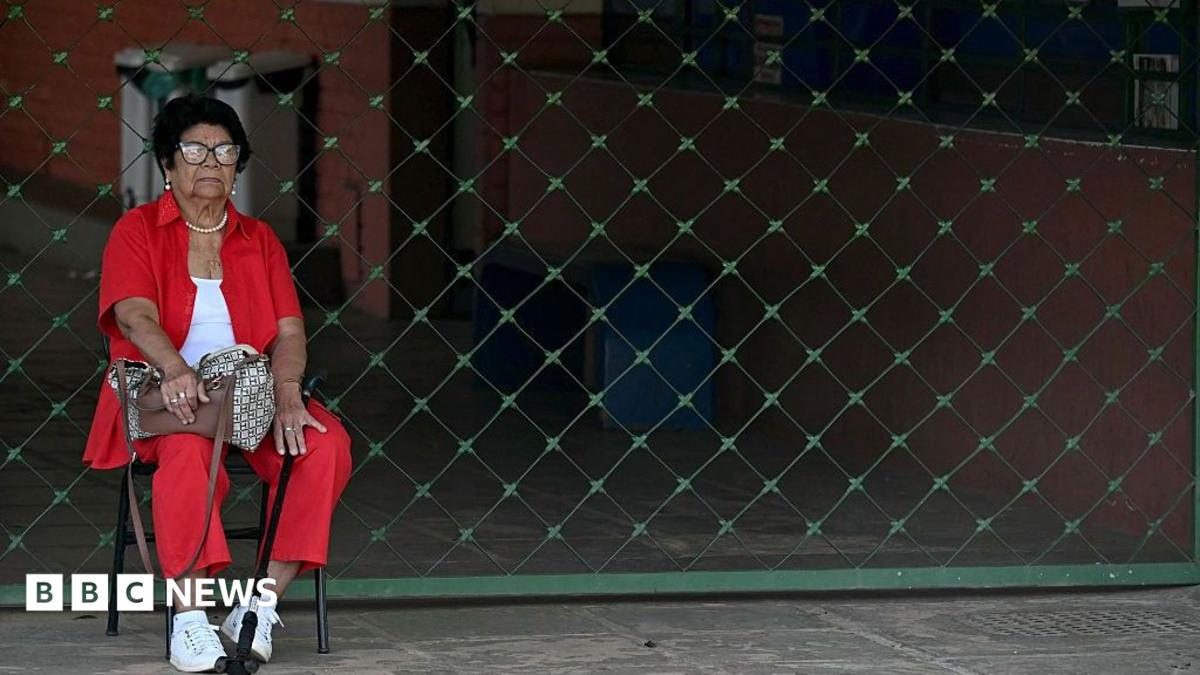
Brazilians are heading to the polls to elect their new president in a tightly fought run-off election. The choice is between the 80-year-old incumbent, left-wing leader Luiz Inácio Lula da Silva, who seeks a fourth non-consecutive term, and 45-year-old right-wing senator Flávio Bolsonaro. Bolsonaro is the son of former president Jair Bolsonaro.
Flávio Bolsonaro emerged as the frontrunner after topping the first round of voting on October 4. Historically, no candidate trailing after the first round has managed to overturn the deficit and win in the second round, giving Bolsonaro a significant advantage. He campaigned on promises of a tough crackdown on organized crime, as well as tax and public spending cuts, and pledged to release his father.
Highlights
- Brazil's presidential election enters a second-round run-off vote.
- Incumbent President Lula da Silva is seeking a fourth term in office.
- His opponent is Flávio Bolsonaro, son of former president Jair Bolsonaro, who led in the first round.
- Bolsonaro's campaign focused on fighting organized crime and freeing his father.
- Lula's supporters held large rallies to boost voter turnout.
Details
Flávio Bolsonaro's first-round victory generated significant enthusiasm among his supporters. During his campaign rallies, he promised to bring change to Brazil through a tough crackdown on organized crime, along with tax and public spending cuts. He also committed to releasing his father, Jair Bolsonaro, who is serving a 27-year prison sentence for coup plotting and is currently under house arrest due to ill health.
Lula da Silva's supporters, on the other hand, made strenuous efforts to encourage the 33 million people who did not vote in the first round to cast their ballots. Speaking at Copacabana beach in Rio de Janeiro, Lula emphasized that the election was a matter of "sovereignty," stating that people would choose between those who kissed the Brazilian flag and those who kissed the American flag. Lula's administration has accused the US of interfering in Brazil's election, an allegation Washington has called "baseless."
Lula and his Workers' Party frame this election as a "battle for democracy." They argue that Jair Bolsonaro's conviction for coup plotting demonstrates that "Bolsonarism" poses a threat to Brazil's democratic institutions. Bolsonaro, conversely, accuses the Workers' Party of corruption, reminding voters of the massive financial scandals that plagued the party for years.
Why it matters
This election represents a critical juncture for Brazil's political future. On one side, there is a left-wing leader advocating for the protection of democratic institutions, and on the other, a right-wing candidate promising to combat organized crime and implement economic reforms. The election results could lead to significant changes in Brazil's domestic and foreign policies, potentially impacting regional and global dynamics.